Tradescantia zebrina care guide and things to note: humidity is key
Tradescantia zebrina is well known for its distinctive leaves. It is precisely because of its extremely high ornamental value among the benefits and uses of Tradescantia zebrina that people often grow it in pots and hang them on walls. So how do you grow Tradescantia zebrina to make it look even better? Today we will take a detailed look at the care guide and things to note for Tradescantia zebrina.
How to grow Tradescantia zebrina
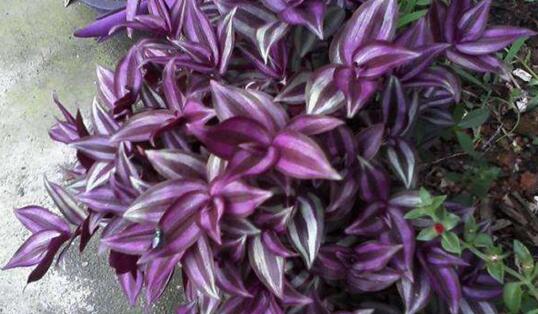
Tradescantia zebrina is a perennial herbaceous plant in the Commelinaceae family. To understand how to grow Tradescantia zebrina, you first need to know its most suitable growing environment. It likes shady, humid environments and is afraid of being scorched by direct sunlight. It can survive at low temperatures of 8 degrees, but its cold tolerance is only average, and it does not like hot weather with excessively high temperatures. It has high requirements for air humidity. It is not drought tolerant and has a certain ability to tolerate waterlogged conditions.
Tradescantia zebrina care guide and things to note
1. Growing environment
1. Temperature
The most suitable temperature for Tradescantia zebrina growth is 15-25 degrees. When the temperature is above 14 degrees, it can grow normally, while after the temperature drops below 10 degrees, growth becomes very slow. It can overwinter safely at 5 degrees, and its growth rate is relatively fast in spring, summer and autumn.
Note: When the temperature is below 10 degrees, you should pay attention to keeping it warm. Although it can survive at 0 degrees, being in a low-temperature environment for a long time tends to cause dry, withered leaves.
2. Light
When Tradescantia zebrina was first discovered, it often appeared on shady, damp ground. It has relatively high light requirements and likes environments with sufficient light, which can make the leaf color more vivid, but it does not like overly strong light.
Note: Never let Tradescantia zebrina be exposed to direct sunlight for long periods, as that will cause the leaves to scorch. In places lacking light, its stems and leaves will become scattered and its color will fade, so light that is too strong or too weak is unsuitable.
3. Humidity
Tradescantia zebrina likes environments with relatively high humidity, so in summer you can spray water on the leaves. In spring and autumn, you should pay attention to moisturizing, and keeping humidity above 60% can promote more luxuriant stems and leaves.
Note: In the care guide and things to note for Tradescantia zebrina, humidity is often easily overlooked. In overly dry air, its leaf tips will become dry and scorched, and this situation should be avoided as much as possible.
2. Growing methods
1. Soil selection
When growing Tradescantia zebrina in pots, the soil should preferably be fertile, loose and well draining. You can use leaf mold, garden soil and river sand mixed in a 4:4:2 ratio, and maintain the soil's air permeability.
Note: In the care guide and things to note for Tradescantia zebrina, soil selection is very important. It is the foundation for robust Tradescantia zebrina growth. The selected soil should preferably be disinfected before potting to avoid the appearance of pests and diseases.
2. Watering
Watering Tradescantia zebrina regularly can ensure the soil stays moist and the humidity stays relatively high. Its condition differs across the four seasons, so the frequency and amount of watering also differ and need to be adjusted in time.
Note: The purpose of watering is to provide sufficient water while keeping the potting soil moist and the environment highly humid, but be sure not to water too much. This is a major taboo when growing plants.
3. Fertilizing
During the growing season, fertilizer can be applied about once every 20 days, mainly diluted liquid fertilizer or compound fertilizer. When the temperature is relatively high or relatively low, fertilization can be reduced or stopped.
Note: When fertilizing, avoid splashing liquid fertilizer onto the leaves, otherwise yellow leaves may appear. In addition, attention should be paid to balanced nutrition, and do not apply only nitrogen fertilizer or only phosphorus and potassium fertilizer, etc.
How to grow Tradescantia zebrina so it looks beautiful
In addition to doing the above six points well, if you want Tradescantia zebrina to be more beautiful, you must also pay attention to regular pruning, because during the growing process, leaves turning yellow or dropping often occurs. Pruning away overly long or withered, yellowed old branches can promote new growth and make Tradescantia zebrina more attractive.
How to grow Tradescantia zebrina? Tradescantia zebrina care guide and things to note
Image: Tradescantia zebrina
[Common question] How to grow Tradescantia zebrina? Tradescantia zebrina care guide and things to note
[Expert answer]
1. Soil: Tradescantia zebrina has strong adaptability and does not have high soil requirements, but it grows better in fertile, loose soil.
2. Sunlight: Tradescantia zebrina is afraid of direct strong light and needs to be kept in a semi-shaded place for care, or given 70% shade. If kept indoors, place it in as bright a spot as possible, and every one or two months move it outdoors to a semi-shaded place or keep it shaded for a month, so it can accumulate nutrients and recover its growth.
3. Temperature: The most suitable growing temperature for Tradescantia zebrina is 18°C to 30°C. It dislikes cold and frost, and the overwintering temperature needs to be kept above 10°C. In winter, when the temperature drops below 4°C, it enters a dormant state. If the ambient temperature approaches 0°C, it will die from frost damage.
4. Fertilizing: Tradescantia zebrina has high fertilizer and water requirements, but it is most afraid of careless fertilizing, concentrated fertilizer and one-sided application of nitrogen, phosphorus or potassium fertilizer. It should follow the fertilizing (and watering) principle of “apply dilute fertilizer frequently, use small amounts but more often, and provide complete nutrition.”
5. Pruning: In Tradescantia zebrina plants that have been grown for too long, the leaves at the base often drop off, affecting the ornamental look. At this point, the overly long branches and leaves should be cut off to encourage new buds to sprout from the base of the stems and grow new branches and leaves.
6. Propagation: Cuttings and division propagation can be carried out throughout the year. For cuttings, you can combine it with pinching, cut healthy shoot tips as cuttings, insert them into river sand, place them in a semi-shaded place and keep them moist; they root very easily. The stems of Tradescantia zebrina creep along the ground, and after roots form at the nodes, they can be separated and planted to become new plants.
7. Cultivation: During the growing season, keep the potting soil moist and frequently spray water on the stems and leaves to maintain relatively high air humidity, so as to prevent the leaf tips from drying and scorching. Apply diluted liquid fertilizer about once every 15 days, but be careful not to apply too much fertilizer; if too much nitrogen fertilizer is applied, the leaf color will fade. Tradescantia zebrina likes semi-shaded environments. In spring and autumn, it is suitable to place it in a bright spot with scattered light indoors. In summer, keep it indoors in a well-ventilated place to avoid scorching direct sunlight. In winter, the room temperature should preferably remain above 9°C, and watering should be appropriately reduced. If too much water is given at this time and the potting soil stays wet for a long time, root rot and yellow leaves are likely to occur. In winter, it should be placed on a south-facing windowsill so it can get more sunlight.
[Editor's comments] Tradescantia zebrina is very easy to grow and can itself multiply in large quantities, but for the sake of appearance, we generally use cuttings for propagation. In other respects, just provide more protection during the growing process. The above is the article "Tradescantia zebrina care guide and things to note" compiled for you by the First Agricultural Economics editor. We hope it is helpful to you, and thank you for your attention and support for First Agricultural Economics!
How to grow Tradescantia zebrina: Tradescantia zebrina growing methods and things to note
Tradescantia zebrina propagates very quickly and is often grown for ornamental viewing. Many Tradescantia zebrina plants have also spread and grown into a wild or semi-wild state in shady, damp places such as gardens, campuses and around residential homes. Now let us take a look at the care guide and things to note for Tradescantia zebrina!
How to grow Tradescantia zebrina
1. Soil requirements
Tradescantia zebrina has no special soil requirements; it is basically the kind that can survive as soon as it is planted.
2. Water requirements
Tradescantia zebrina likes moisture. During the growing season, water once a day to keep the soil moist, and spray water on the leaf surface. Reduce the amount of water in winter.
3. Fertilizing requirements
During the growing season, applying liquid fertilizer once a month is enough.
4. Temperature requirements
The suitable growing temperature for Tradescantia zebrina is 10-25°C, and the overwintering temperature must not be lower than 10°C. It likes semi-shade and should avoid scorching sunlight. However, staying in too shady a place for a long time often causes the stems and leaves to become leggy and the leaf color to fade.
Tradescantia zebrina growing methods and things to note
1. Tradescantia zebrina growing methods
1. Soil: Tradescantia zebrina does not have high soil requirements, but it grows better in fertile, loose soil. It is suitable to use a mix of 40% leaf mold, 40% garden soil and 20% river sand.
2. Sunlight: Tradescantia zebrina is afraid of direct strong light and needs to be kept in a semi-shaded place for care, or given 70% shade. If kept indoors, place it in as bright a spot as possible.
3. Temperature: The most suitable growing temperature for Tradescantia zebrina is 18 to 30°C. It dislikes cold and frost, and the overwintering temperature should be above 10°C. When the temperature is below 4°C, it enters a dormant state, and when the temperature approaches 0°C, it will die from frost damage.
4. Fertilizing: Tradescantia zebrina has high fertilizer and water requirements, but it is most afraid of careless fertilizing, concentrated fertilizer and one-sided application of nitrogen, phosphorus or potassium fertilizer. It should follow the fertilizing (and watering) principle of “apply dilute fertilizer frequently, use small amounts but more often, and provide complete nutrition.”
5. Pruning: In Tradescantia zebrina plants that have been grown for too long, the leaves at the base often drop off, affecting the ornamental look. At this point, the overly long branches and leaves should be cut off to encourage new buds to sprout from the base of the stems and grow new branches and leaves.
2. Things to note for Tradescantia zebrina
1. In spring and autumn, Tradescantia zebrina is suitable to be kept indoors near a south-facing window. If light is insufficient for a long time, the stems and leaves tend to become leggy, the internodes become longer, and it blooms little or not at all.
2. Tradescantia zebrina requires relatively high air humidity. If the air is dry, the leaves often dry out easily and the leaf tips become scorched. Therefore, during the growing season, attention should be paid to frequently spraying water on the stems and leaves to maintain air humidity.
3. To keep Tradescantia zebrina's branches and leaves full, when the stems grow to about 20 to 30 cm, pinching should be carried out to encourage branching; otherwise the branches will grow thin and long, affecting the ornamental effect.
4. In winter, Tradescantia zebrina can overwinter safely if the room temperature is kept above 5°C. During overwintering, the plant is in a dormant state and needs little water. If watered too much, root rot and yellow leaves are very likely to occur.
5. When growing Tradescantia zebrina, attention should be paid to providing regular light to prevent the stems and leaves from becoming leggy. In summer, it must not be exposed to direct scorching sunlight. After pruning, do not water heavily before new stems have sprouted.
What are the benefits of growing Tradescantia zebrina at home?
1. The ornamental value of Tradescantia zebrina
Tradescantia zebrina has abundant leaves and is semi-succulent. At maturity, it produces small purple flowers. When grown hanging, the stems and vines of Tradescantia zebrina hang down, and the branches and leaves dance lightly in the wind, lush and green, making the whole home appear full of vitality. It has very high ornamental value and makes the whole home feel warm and comfortable.
2. Freshening the air
At the same time, the ability of green plants to absorb carbon dioxide and release oxygen can also freshen the air, making them very suitable for growing at home. Tradescantia zebrina has complete, round and lush leaves and can be used to decorate furniture.
3. The medicinal value of Tradescantia zebrina
Tradescantia zebrina has the functions of cooling the blood and relieving pain, clearing heat and detoxifying, and promoting urination, and it has good pharmacological effects. Used as a medicinal ingredient, Tradescantia zebrina has the effects of treating non-swelling; difficult urination; strangury; dysentery; leukorrhea; hemoptysis; red and swollen eyes with pain; sore and swollen throat; sores and swellings from toxic heat; burns and scalds; and venomous snake bites. It can be used for the treatment of acute conjunctivitis, sore and swollen throat, and so on.
What are the common varieties of Tradescantia zebrina?
1. Quadricolor Tradescantia zebrina
The leaf surface is dark green with red, pink and white stripes, and the leaf underside is purple.
2. Discolor Tradescantia zebrina
The leaf surface is green with two obvious silvery white stripes.
3. Small Tradescantia zebrina
The leaves are small and fine, and the plant is shorter than the original species.
4. Purple Tradescantia zebrina
The leaf shape and flowers are basically the same as Tradescantia zebrina. The plant form of purple Tradescantia zebrina is slightly larger than that of quadricolor Tradescantia zebrina, and the leaf base is more hairy. The leaf surface is dark green and red wine colored, without white stripes.
Tradescantia zebrina grows very robustly, does not have high environmental requirements, and propagates very quickly. So growing a pot at home for ornamental purposes is worth considering, except that it likes to grow in humid environments, so watering becomes one aspect that needs extra attention in daily care.