-
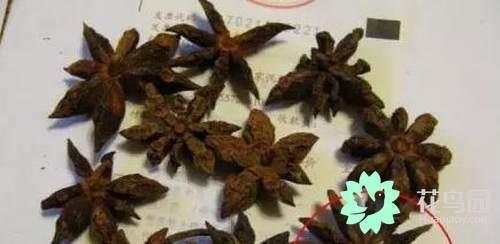
Quick, check your kitchen. This thing is highly toxic. If you find it, throw it away right away.
Star anise is also called "dàliào", and it is a common cooking seasoning in our daily lives. But the commonly used star anise actually has fake versions too, and they are highly toxic! "Fake star anise" - Illicium anisatum. Illicium anisatum, also known as fake star anise or wild star anise, looks similar to star anise. It is highly toxic...
-
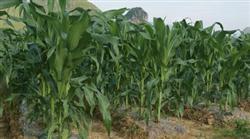
Four determinations for high-yield fertilization of spring corn
In recent years, due to the lack of organic fertilizer input and people's demand for increased unit yield, the amount of corn fertilization has increased significantly, and the application area of some high-concentration compound (mixed) fertilizers has also continued to expand, effectively promoting yield increases, but seedling-stage fertilizer damage, nutrient deficiency symptoms, or late-stage fertilizer loss and yield reduction also often occur, and farmers...
-
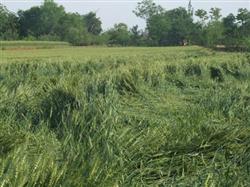
Key Technical Points for Spring Pest and Disease Control in High-Quality Wheat
1. Spraying paclobutrazol: At the wheat jointing stage, spray 30 kg of 200 ppm paclobutrazol solution per mu. This can dwarf the plants, enhance lodging resistance, and also control wheat powdery mildew and improve the plant's absorption and utilization rate of nitrogen. 2. Applying uniconazole: Uniconazole is a new type of high-efficiency plant growth regulator, and its biological activity...
-
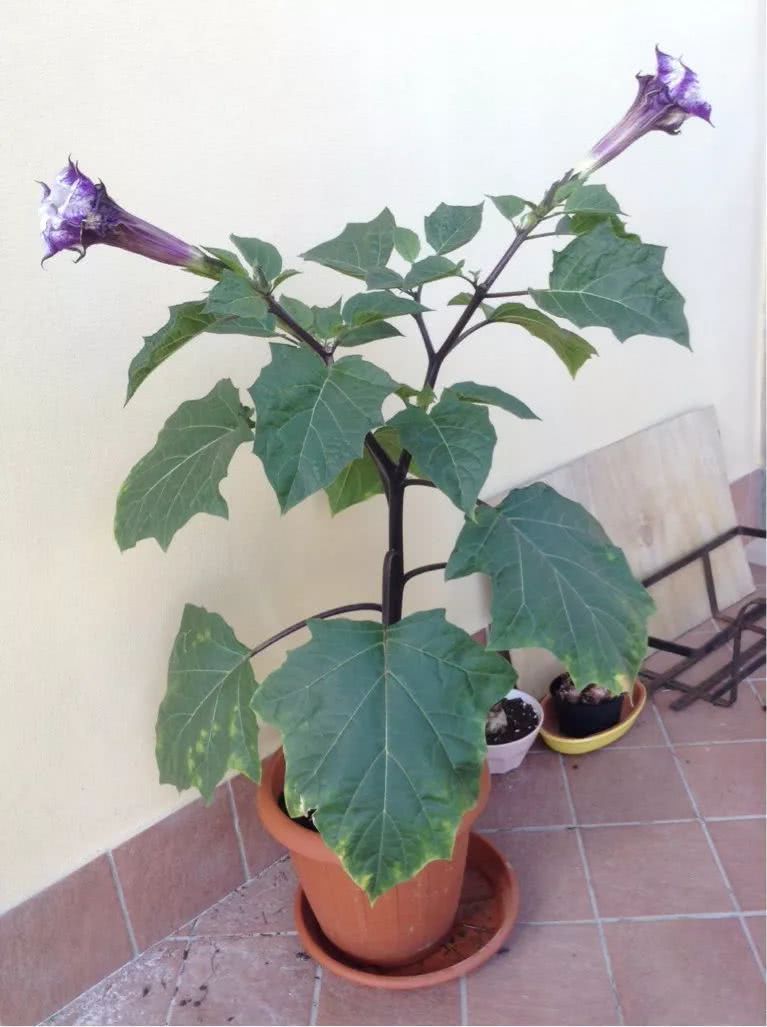
This flower looks charming but is highly toxic - never pick its flowers, fruits, stems, or leaves
When I was a child, I could often see datura flowers around me. The first time I heard of this flower was in wuxia novels. In TV dramas, datura is a highly toxic plant, and in reality it is also a plant where the whole plant is toxic, which means its flowers...
-
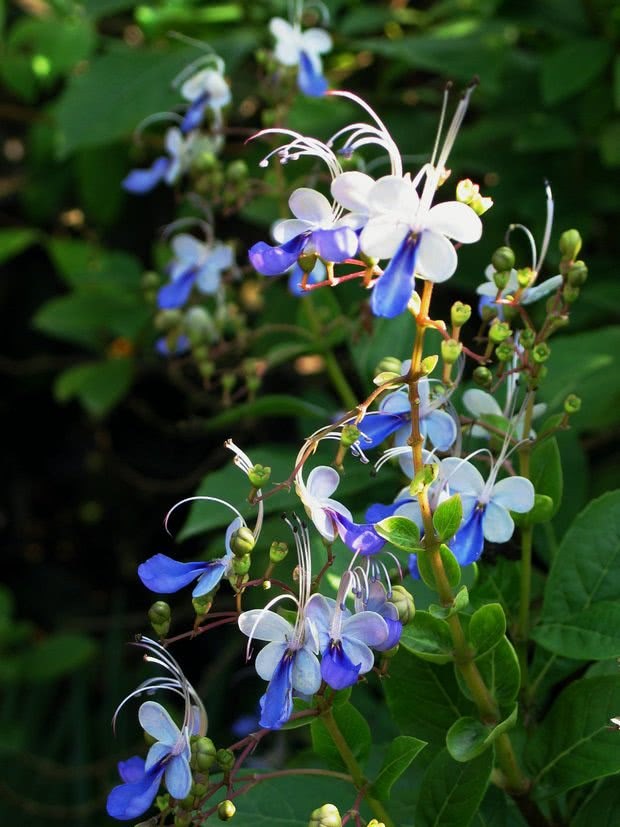
New type of potted plant with unusual flowers that look like dancing butterflies, highly ornamental and easy to care for
Introduction: Green plants and potted flowers are now essential decorative touches in home life. Keeping some flowers and plants at home brings many benefits: it beautifies the living space and lifts the mood. "Flower Voice Potted Plant Diary, Issue 1153" introduces you to a new type of ornamental plant. Today...
-
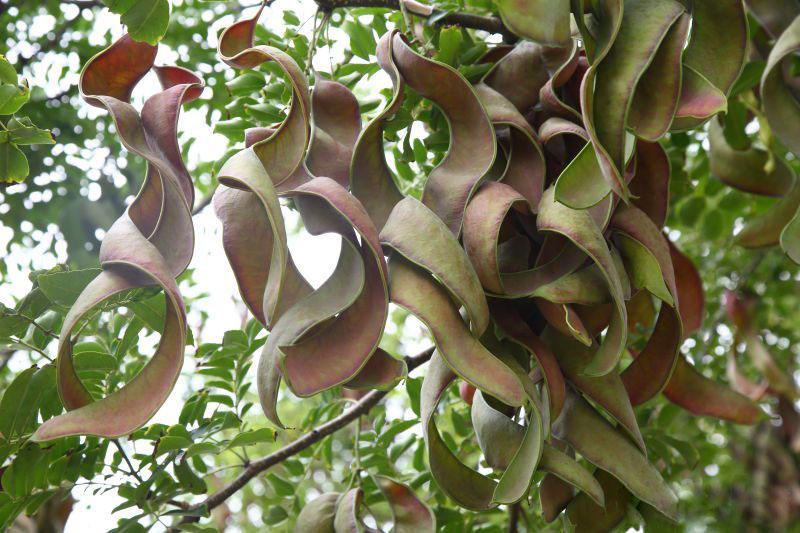
A rare yellow "rice" grows on a thorn tree, highly nutritious, yet farmers are somewhat afraid of it
In our impression, rice and wheat grow on the ground, but today I want to tell you about a kind of "rice" that grows on a thorn tree. Some old farmers laugh when they hear about "rice" on trees - after growing rice for so many years, they really...
-
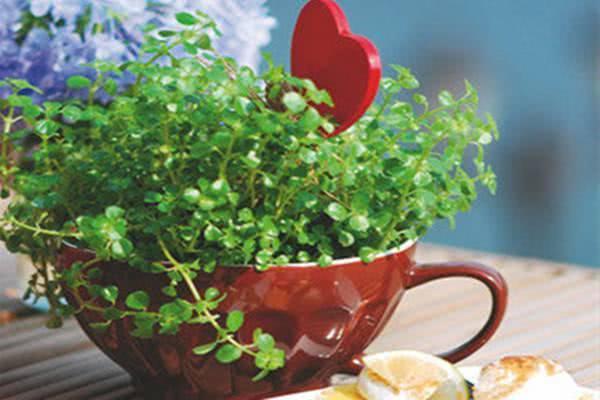
The method for making a miniature thyme bonsai is simple, with a high success rate.
There are so many kinds of bonsai in our country, and there are many bonsai we may have never seen, but today I want to introduce to you a miniature bonsai. Its compact size is its greatest advantage. It will not take up much of our space, yet it can give...
-
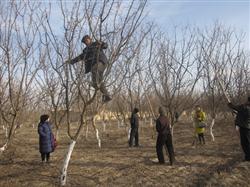
How should apricot trees be managed in winter to achieve high yields?
How should apricot trees be managed in winter for high yields? Please explain in detail. In winter, apricot trees can be managed by referring to the following methods: Pruning and shaping: Winter pruning of apricot trees is especially important. The focus is on removing diseased and weak branches and dead, dry branches to encourage flower buds to form as early as possible. At the same time, according to the terrain, the tree shape should be made favorable for sunlight, and its angles should be opened up for ventilation. After pruning...
-
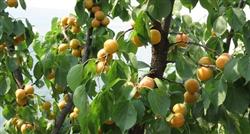
How to fertilize apricot trees for high yields? Detailed fertilization methods
How to fertilize apricot trees for high yields? Please explain in detail when to apply which fertilizer. To achieve high yields from apricot trees, you must manage fertilization at each stage well. For details, refer to the following methods: 1. Pre-bloom fertilizer. Fertilizer before bud break should be applied 15 days before flowering, with 500 g nitrogen, 300 g potassium, and 200 g phosphorus per apricot tree, mixed with human manure and urine...
-
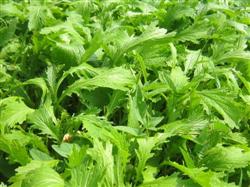
How to Grow Leaf Mustard for High Yield? Key Cultivation Techniques Explained
How to grow leaf mustard for high yield? Please advise. Leaf mustard is the most diverse and varied variety among mustard types; apart from a few that can be eaten fresh, most are pickled vegetables. In recent years, with the adjustment of the agricultural industrial structure, the area planted and processed for leaf mustard has gradually increased, but to do a good job in leaf mustard production...
条件筛选