This flower looks charming but is highly toxic - never pick its flowers, fruits, stems, or leaves
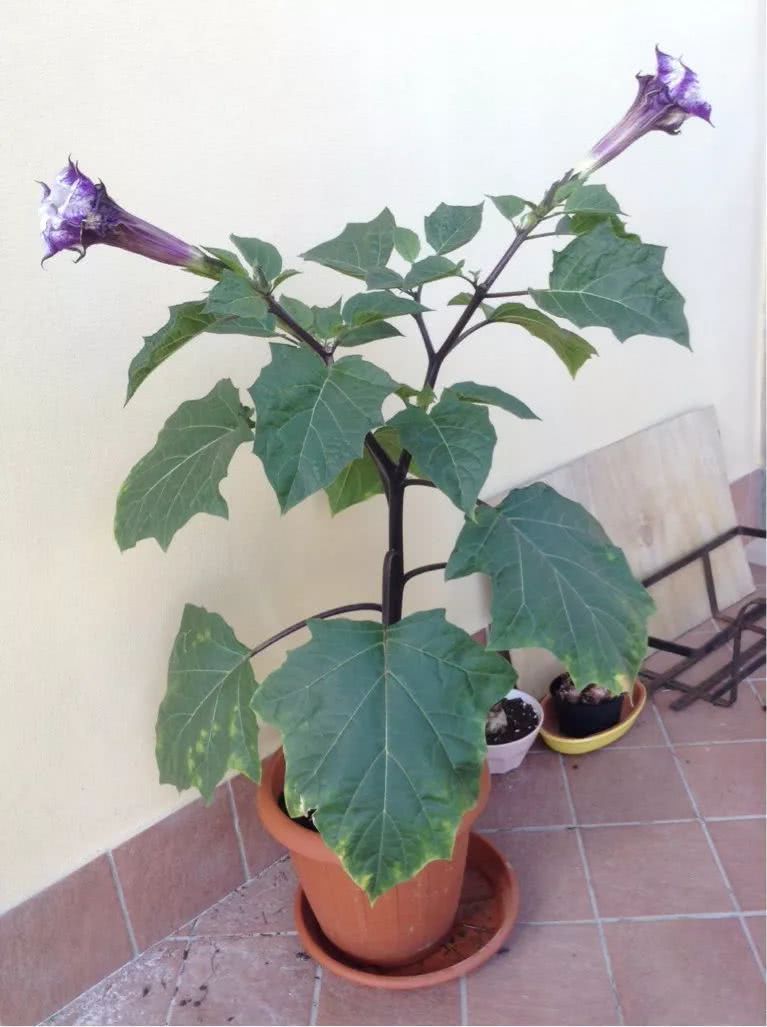
When I was a child, I could often see datura flowers around me. The first time I heard of this flower was in wuxia novels. In TV dramas, datura is a highly toxic plant, and in reality it is also a plant where the whole plant is toxic, which means its flowers, fruits, leaves, and roots are all toxic. If you want to grow it, you must be careful.
Now datura has become a very niche ornamental flower. Generally, it can only be seen in some enclosed small courtyards. In the past, it could still be seen in gardens, but now it can only be seen in some botanical gardens. I have also seen datura grown in pots. This is a relatively good choice, as it can control the plant's shape, be placed on a rooftop or balcony, and also prevent others from touching it by mistake.
Datura actually has many different varieties and flower colors. Common flower colors include: white, yellow, red, purple, etc. As long as it is kept warm and humid year-round, it can basically bloom brilliantly every year. It is a plant that does not need frequent care. For pot cultivation, it only needs to be watered thoroughly after the potting soil has completely dried out.
Datura is a plant that can grow in all regions across the country, but it will have different forms in the north and south. In cold northern regions, it generally can only grow into a very low small shrub. The plant is very short, the flowers are also relatively small, and the flower colors are not so stunning, just like a very inconspicuous weed.
In the warm and humid south, datura can remain blooming all year round. Grown in southern regions, datura can grow into a very tall shrub, and some can even grow to 4~6 m high, and the number of flowers will increase greatly, with very brilliant flower colors.
Datura growing in nature can reproduce by self-seeding. After the fruits fall to the ground, the seeds will slowly take root. If left unattended, they will spread excessively. Datura grown as a potted plant is no problem, as it can control the plant's shape and avoid excessive spreading.
If you want datura to bloom all year round, it is best to keep it in a warm and humid environment, with the minimum care temperature kept above 6°C to avoid freezing. In addition, pay attention to ventilation and light in the care environment, and avoid growing it in a closed space.
If you want datura to bloom all year round, it should also be grown in a suitable location, preferably with more than 6~8 hours of light per day. Avoid growing it in shade, otherwise it may easily fail to bloom or become leggy, and in severe cases, the leaves may turn yellow and fall off.
For pot cultivation of datura, also pay attention to choosing loose, well-draining soil to avoid water accumulation in the soil. You can add some decomposed organic fertilizer at the bottom of the pot. After that, even without fertilizing for more than half a year, it can still promote good growth. The best time to fertilize is in spring and summer. You can supplement with a thin fertilizer once every 2~3 weeks. Datura does not have a high demand for fertilizer. Proper fertilizer supplementation is only to promote better blooming or more brilliant flowering.
Datura is a toxic plant. Its flowers and fruits must not be picked, and accidental ingestion must be avoided even more, otherwise poisoning is easy, and in severe cases it can easily cause vomiting, restlessness, and even hallucinations. Datura seeds are the most toxic. Ancient people also used its flowers to make knockout drugs.