-
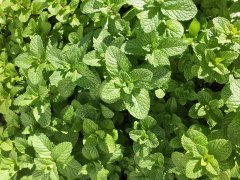
Wild Mint Spreads Aggressively: How to Handle It and Precautions for Medicinal Use of Mint
Wild mint varieties: out of curiosity, I began studying this plant family a few weeks ago, because the number of wild invasive mint species is impressive, and although they are uninvited, they spread through my lawn and garden. These perennials spread through underground stems
-
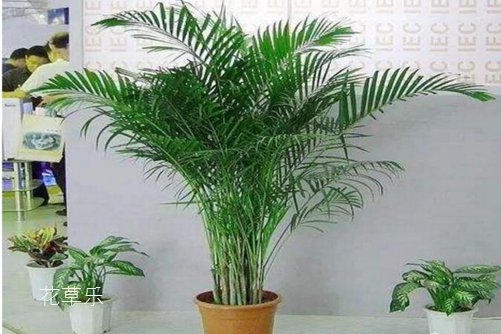
What to Do When Hawaiian Palm Leaves Turn Yellow? Teach You the Correct Way to Handle It
The Hawaiian palm (Chamaedorea elegans) prefers high temperatures and high humidity, tolerates shade, and fears direct sunlight; it adapts well to soil, but loose, moist, well-drained soil with a deep soil layer is ideal. Not only is its plant form graceful, but it also blooms and sets seed easily; its appearance features dense branches and leaves, deep green and glossy leaf color, and elegant pinnae
-

What to do when the leaves of the Sedum 'Aizoon' turn yellow? Teach you the correct way to handle it
Sedum 'Aizoon' is a succulent plant, a fleshy plant, 6 cm tall, with most leaves clustered into a rosette, growing in clusters, with creeping stolons spreading radially, producing new plants where they touch the ground. Leaves obovate, apex pointed, green. Corymbose inflorescence terminal, petals white. Sedum 'Aizoon' growing in clusters causes of yellow leaves in Sedum 'Aizoon': insufficient light
-

Dairy Cattle Farming Has a Promising Future: Reasons for Increased Milk Yield and Handling Milk from Sick Cows
Dairy cattle are great partners for dairy farmers to make money, and whether they live comfortably on the farm is tied to their health. Wu Jinlong, Secretary-General of the Dairy Farmers Association, said that sick cows affect dairy farmers' income, and once milk from a sick cow is mixed with other milk, the entire batch of raw milk is ruined
-
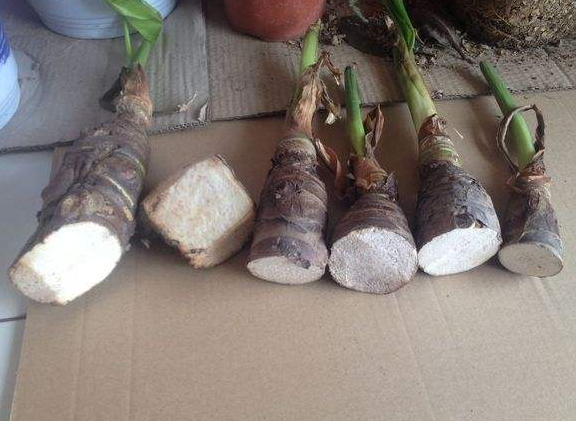
What to Do If Your Alocasia macrorrhizos (Giant Taro) Has Root Rot? I'll Show You the Right Way to Handle It
Alocasia macrorrhizos is prone to root rot in summer, mainly caused by soil that is too wet. Pull the plant up, cut off the rotten roots, and wear rubber gloves while cutting the roots (Alocasia macrorrhizos is toxic! Those with skin allergies should be careful.), and cut away a little of the healthy tissue near the rotted part
-
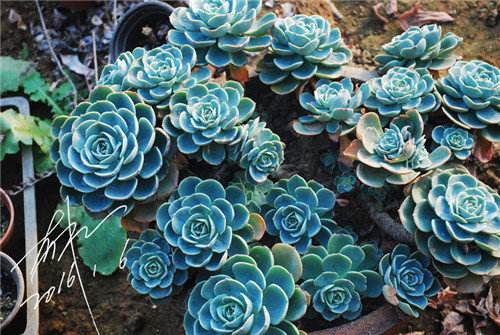
What to Do When Asparagus Fern Leaves Turn Yellow? Teach You the Correct Way to Handle It
Analysis of the Yellowing Leaves of Asparagus Fern, Sun Exposure. Asparagus fern is a semi-shade plant. Many gardening enthusiasts think asparagus fern is not suited to sunlight, so they keep it in a shaded spot for a long time, which is actually a big mistake! Asparagus fern has a graceful form, well-arranged and slender yet upright, and it can purify the air and cultivate the mind.
-
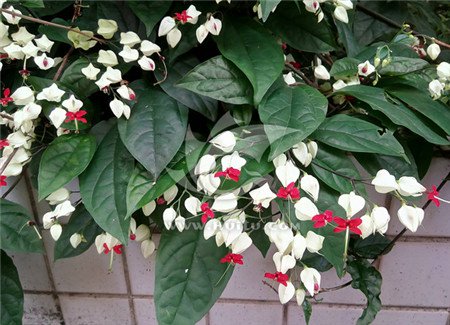
What to Do When Bleeding Heart Vine Leaves Turn Yellow? The Correct Way to Handle It Is Here
What to do when Bleeding Heart Vine leaves turn yellow: in summer, the sunlight is fairly intense, and exposure to the sun is one of the causes of yellowing leaves in Bleeding Heart Vine; in winter, the sunlight is not as intense, but the daylight hours are short, and a lack of light also easily causes leaves to turn yellow. Bleeding Heart Vine (Clerodendrum thomsoniae) prefers a warm, humid, semi-shaded environment with plenty of sunlight, and is not cold-tolerant
-
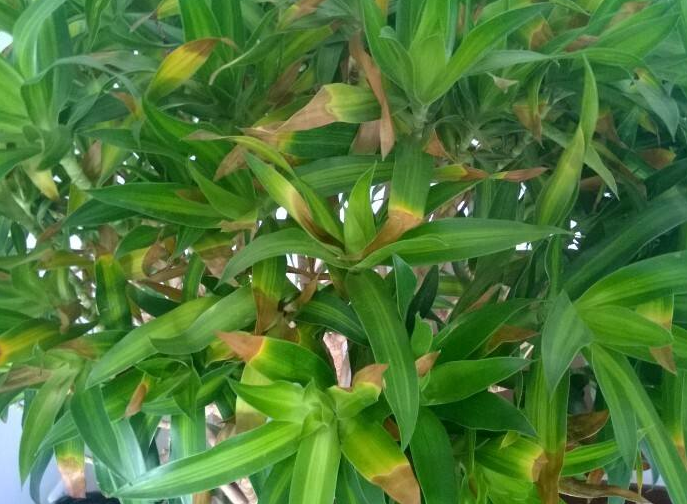
What to do when Dracaena reflexa leaves turn yellow? Here's the correct way to handle it
What to do when Dracaena reflexa leaves turn yellow? In an environment lacking light, the leaves of Dracaena reflexa turn yellow, so simply supplementing light for the plant is the best and most direct solution. Therefore, move the Dracaena reflexa gradually from a shaded spot to a place with light to care for it during its growth process
-
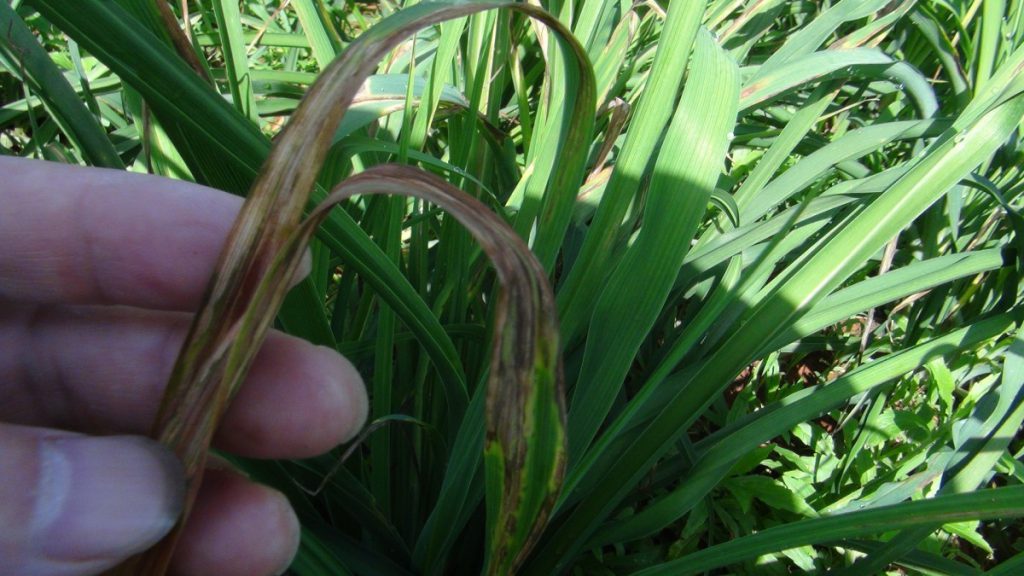
What to Do When Daylily Leaves Turn Yellow? Teach You the Correct Way to Handle It
Daylilies (Hemerocallis) like moisture but are also drought-tolerant, and they love sunlight but also need sufficient light. The most important soil requirement for daylilies is good drainage - keep it moist but not waterlogged. Daylily roots are nearly fleshy, with spindle-shaped swellings in the middle and lower parts; leaves are generally relatively wide; flowers open in the morning and wither in the evening, without fragrance, orange-red to orange-yellow.
-
Marigold Pest and Disease Types and How to Handle Them After They Fade
Marigolds rarely have disease and pest problems. Occasionally wet soil or pests can trigger one of several fungal infections, shown by discolored spots, mold coatings, or wilting on the leaves.. The best defense is to keep weeds down and the place where marigolds are planted well drained
条件筛选