What to Do When Hawaiian Palm Leaves Turn Yellow? Teach You the Correct Way to Handle It
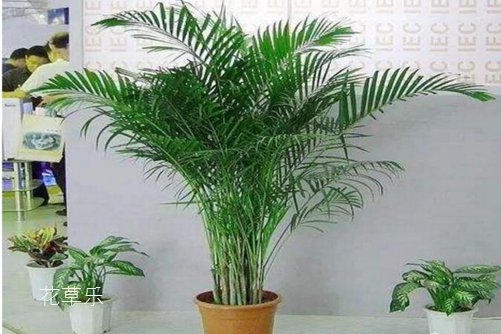
The Hawaiian palm (Chamaedorea elegans) prefers high temperatures and high humidity, tolerates shade, and fears direct sunlight; it adapts well to soil, but loose, moist, well-drained soil with a deep soil layer is ideal. Not only is its plant form graceful, but it also blooms and sets seed easily; its appearance features dense branches and leaves, deep green and glossy leaf color, and elegant pinnae, giving a sense of dignity, elegance and refined beauty. It can be placed indoors for a long time, and its flowers, fruits, leaves and stems can all be enjoyed together; it helps purify the air and beautify the environment.
How to Handle Yellowing Leaves of the Hawaiian Palm
1. Unsuitable fertilizer
To cultivate the Hawaiian palm, choose some leaf mold soil, river sand, etc., then mix them with a small amount of organic fertilizer to make a growing medium. During the growing season from March to October, apply liquid fertilizer or granular compound fertilizer once every 1-2 weeks to promote leaf growth and deep green leaf color. Depending on the plant's growth, repot once every 2 to 3 years. If the above is not done, its nutrients will not be supplied, and yellowing leaves are unavoidable.
2. Unsuitable humidity
During the growing period of the Hawaiian palm, the soil must always be kept moist, and the air must not be too dry, otherwise the leaves will lose their luster or even turn withered and yellow. When the air is dry, we can often spray water on its leaves to increase air humidity. In late autumn and winter, appropriately reduce watering, keeping the potting soil moist but not dry, to enhance the plant's cold resistance and ability to overwinter.
3. Unsuitable light
The Hawaiian palm is very afraid of strong light, otherwise the leaf color will fade or turn yellow. It generally prefers a semi-shaded environment and tolerates shade for a very long time; even staying in a dark place for 1 to 2 months is no problem. So when caring for it normally, if it really gets too much sun, it can only accept some bright indirect light. It tolerates shade, so in spring, summer and autumn it can be placed anywhere indoors, and in winter it should be placed in a spot with more sufficient sunlight.
4. Unsuitable watering
Although it likes a moist environment, the water must not be too abundant, otherwise the potting soil will become too wet, causing root rot, which affects the plant's nutrient transport and further causes leaves to turn yellow. Therefore, watering must be moderate to keep the leaf color deep green.
5. Caused by pests and diseases
When the temperature and humidity are extremely high, brown spot disease and downy mildew are prone to occur, which will cause leaves to turn yellow. They can be controlled by spraying with fungicides (such as carbendazim or thiophanate-methyl 1000-fold solution).