-
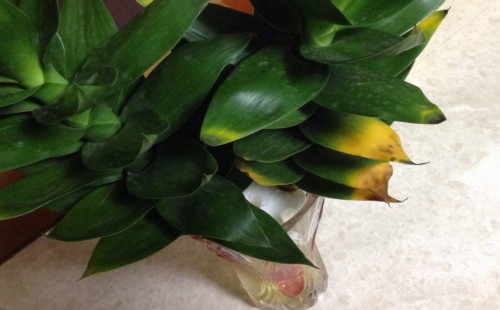
What to Do When Lucky Bamboo Leaves Turn Yellow? Learn the Correct Way to Handle It
Lucky bamboo not only has thick, sturdy stems with many nodes like bamboo, but also large leaves that stay evergreen year-round, and it is fairly shade-tolerant, so growing it as a household potted plant often gives quite good results. However, precisely because lucky bamboo's stems and leaves stay evergreen year-round and can green up, beautify and accent an environment so well, it is very well suited to foliage display
-
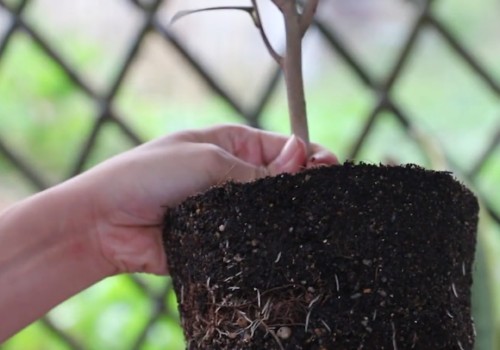
The Correct Way to Handle Root Rot During the Camellia Blooming Period
As winter quietly approaches, it is once again the season for camellias to bloom. The camellia blooming period usually begins in late winter, and many growers' potted camellias have already produced a large number of flower buds, making full preparations for the upcoming bloom. But care and management at this time require great attention
-
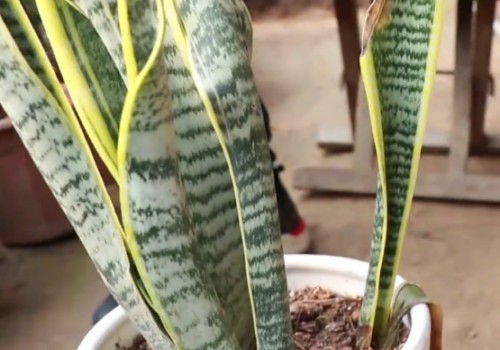
How to Handle Snake Plant Root Rot in Winter
The snake plant (Sansevieria) has very high ornamental value and is also highly effective at purifying the air. However, you need to master the right techniques during care, because if you water too much or the temperature doesn't meet its requirements, the plant is quite prone to root rot. Even in winter, many gardening friends often run into the problem of snake plant root rot. So
-
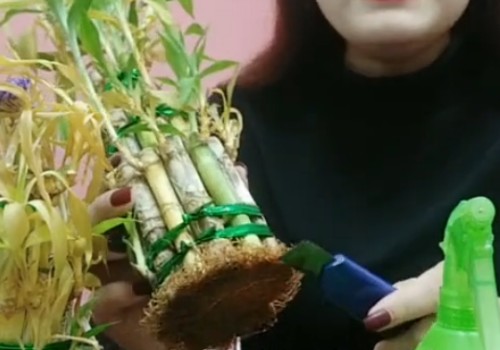
What to do when lucky bamboo roots rot and the water smells? Learn the correct way to handle it
Hydroponic lucky bamboo is best suited for growing indoors, but hydroponic lucky bamboo has a fairly common and fatal drawback: it is very prone to root rot, and then even the water turns putrid and foul-smelling. So what should you do when lucky bamboo roots rot and the water smells? After hydroponic lucky bamboo develops root rot and the water becomes foul
-

What to Do When Schefflera Leaves Turn Yellow and Drop? Learn the Correct Way to Handle It
The evergreen plant Schefflera (umbrella tree) has a lovely name and carries very auspicious meaning as well. Combined with its high ornamental value when grown as a potted plant, it is deeply loved by the public. However, for evergreen ornamental plants, if yellowing and leaf drop occur, it will inevitably greatly reduce the ornamental appeal of the potted plant.
-
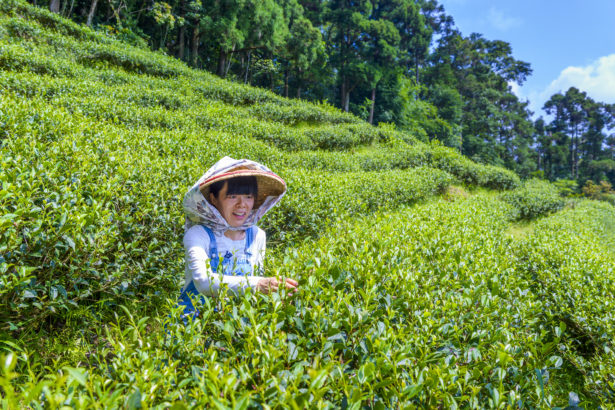
Handmade stone path for the elderly tea pickers, sharing the fragrance of happiness tea with living creatures
Handmade stone path helps the tea-picking grannies travel back and forth│Sharing the fragrance of happiness tea with living creatures
-
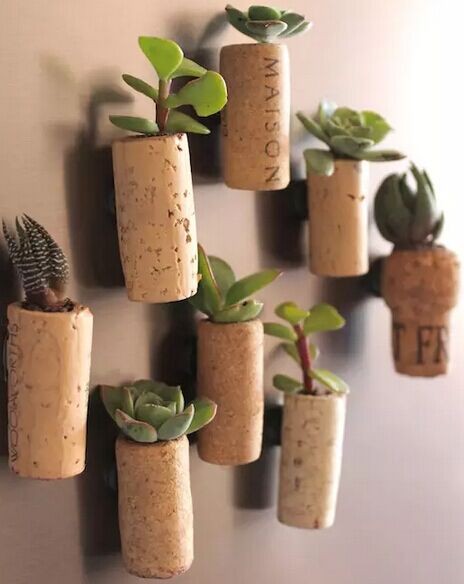
Handmade plant bonsai from wine corks
These succulent bonsai made from corks are incredibly cute, miniature and delicate. Glue a magnet onto the cork and you can even turn them into fridge magnets. Isn't that creative? Stick them on and your kitchen will never be the same again! The handmade method is as follows: TIPS: Generally speaking
-
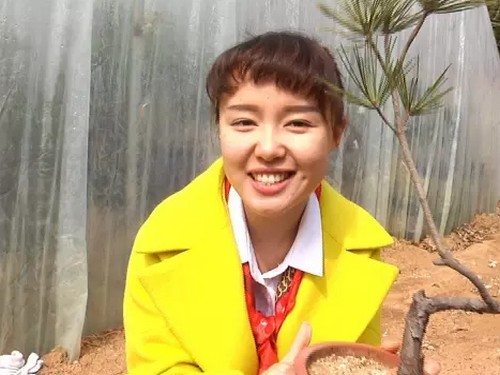
DIY bonsai as a gift for mom: a handmade gift carries more heartfelt meaning
Jordan's mom has recently fallen in love with bonsai and has her heart set on having a whole small garden, but bonsai are too expensive, so Qiaoqiao decides to DIY a bonsai as a gift for mom! DIY is not as simple as it seems. Jordan, who has zero experience, makes a special trip to a bonsai greenhouse in Jimo to ask professional teacher Liang Ming for advice. First
-

Key Seasonal Tasks and Hand-Pollination Methods for Apple Growing
What are the four seasons of work like for apple farmers, and is it the same as potted apple growing techniques? Let's take a look together! Before the apple trees bloom at the end of March, the growers begin "spraying", though "spraying" actually means applying fungicides, insecticides, and other agricultural chemicals to the trees.
-
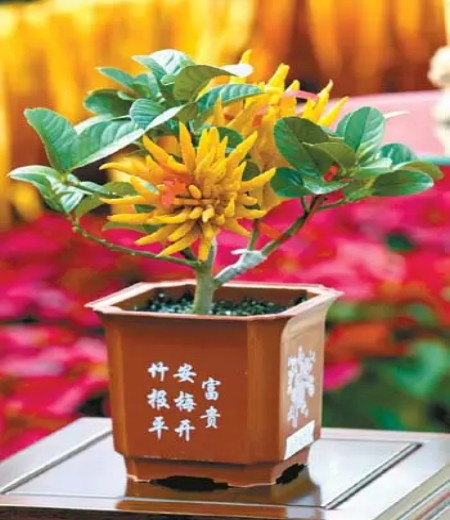
In what ways is the ornamental value of a Buddha's hand bonsai reflected?
Buddha's hand, also known as five-finger citron, generally grows about 1 m tall. It is evergreen year-round, with greenish-yellow fruit and an intoxicating fresh fragrance. Nowadays it has become a precious potted flower grown for its fruit and foliage, and is listed as an excellent indoor decorative item. When its fruit ripens, the carpels separate, forming slender, curved segments shaped like fingers, hence the name Buddha's hand.
条件筛选