-

Marigold vs French Marigold: Which Is More Worth Buying and How to Tell Them Apart
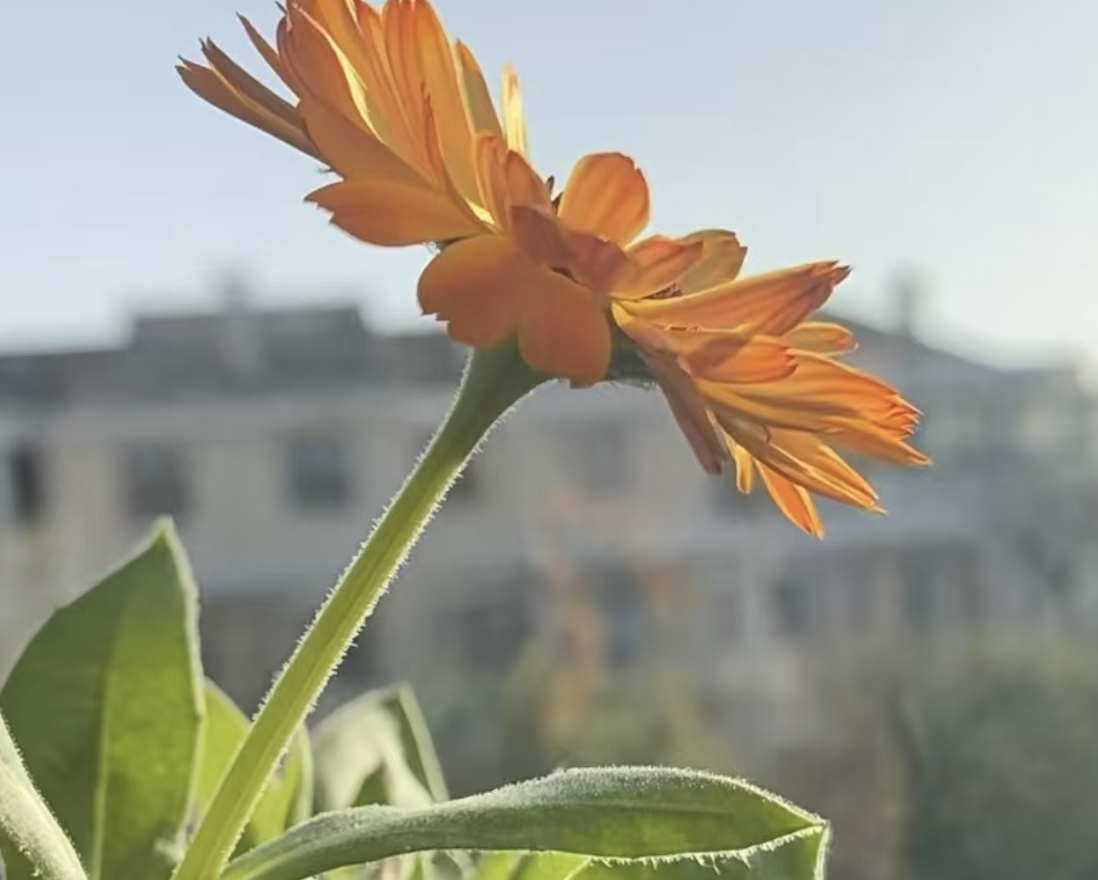
The world is so big that nothing is too strange, and look-alikes are not just a human thing; plants are the same, especially evergreens and flowering plants, which can leave people completely unable to tell them apart. Among them, marigold and French marigold are so similar that even experienced gardeners cannot distinguish them at a glance. So how do you tell them apart and avoid being fooled by the vendor at the flower stall? The reason marigold and French marigold
-
What are the effects of marigolds?
It is believed that when people have a cold and sore throat, they often boil water with the flower mentioned below to relieve symptoms. It refers to the
-

What spiritual qualities does the French marigold symbolize? A detailed guide to growing methods and precautions
Summer is hot, and some flowers and plants are already on the verge of dying, but it is a different kind of existence - that is the French marigold. Some flower shop owners also call it aster, and it is one of the commonly used floral accent greens. The French marigold has brilliant, colorful blooms, and its small flowers are light and lovely, with a dreamy taro purple color, making it a favorite among many gardening enthusiasts
-

What are the methods for selecting and raising French marigold seeds?
French marigold, also known as dwarf marigold, red-yellow marigold, Spanish marigold, etc., blooms yellow, is often planted on hillsides and in grasslands, and has high medicinal value and ornamental value. If you want to plant French marigold, then how do you select French marigold seeds? What are the seedling-raising methods? Below
-
Marigold Varieties: Introduction and Complete Guide
Marigold is also called honeycomb chrysanthemum, marigold lamp, and so on. Its flower meaning is health and longevity and becoming wealthy, so it carries very good symbolism. In addition, marigold flowers come in diverse colors, and different varieties can bloom in white, red, yellow, and other colors, giving them high ornamental value. Below is a detailed
-
Marigold High-Efficiency Planting Technique Tutorial, Latest Cultivation Methods Explained
Marigolds have colorful and vivid flowers, bloom profusely, have a long flowering period, and are easy to cultivate, making them an excellent landscaping and street greening and beautification material. Marigolds prefer a warm, sunny environment and also tolerate early frost; they can still grow at short-term low temperatures of 2-3°C. They are not demanding about soil and tolerate
-
Where is the place of origin and distribution of marigold? A look at the latest situation
Marigold is an annual or biennial herbaceous plant of the genus Tagetes in the family Asteraceae. Its place of origin is Mexico. It is a warm-season plant that likes a warm, sunny climate environment and tolerates transplanting. It is cultivated in all parts of China. Below, let us take a look at the place of origin and distribution of marigold.
-
Is Marigold Toxic? The Latest Answer Is Here
Marigold is an annual herbaceous plant of the genus Tagetes in the Asteraceae family, also known as stinking marigold, honeycomb chrysanthemum, stinking chrysanthemum, thousand marigold, etc. It is native to Mexico and is now cultivated all over the world, usually sown in spring. Because of its large flowers and long flowering period, it is often used for flowerbed landscaping. Many friends worry
-
What are the growth habits of marigolds? The latest detailed guide is here
Marigolds are native to Mexico and prefer a warm, humid environment with plenty of sunlight. The optimal growing temperature for marigolds is 15-20°C, and the winter temperature should not drop below 5°C. When summer temperatures exceed 30°C, the plants become leggy, with loose stems and leaves and few flowers. Below 10°C, they can still grow but at a slower rate, and the
-
How to Propagate Marigolds? A Detailed Guide to the Latest Propagation Methods
The marigold, which symbolises good fortune, has long been regarded as the flower of respect for the elderly. Native to Mexico, it is not fussy about soil and prefers fertile, well-drained sandy loam. It likes a warm, humid environment with plenty of sunlight. It is mainly propagated from seed, but can also be propagated by cuttings.
条件筛选