What to Do When Lucky Bamboo Leaves Turn Yellow? Learn the Correct Way to Handle It
Lucky bamboo not only has thick, sturdy stems with many nodes like bamboo, but also large leaves that stay evergreen year-round, and it is fairly shade-tolerant, so growing it as a household potted plant often gives quite good results. However, precisely because lucky bamboo's stems and leaves stay evergreen year-round and can green up, beautify and accent an environment so well, it is very well suited to foliage display - yet once its leaves turn yellow, that will inevitably greatly reduce its value in use. So what should you do when lucky bamboo leaves turn yellow?
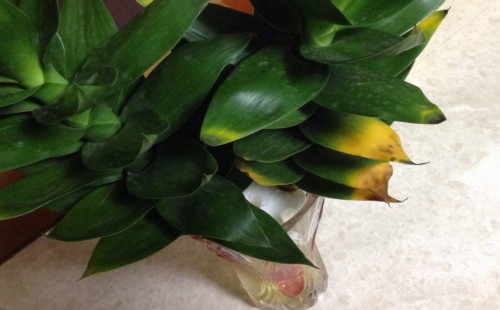
As a green plant very well suited to indoor foliage display, yellowing leaves on lucky bamboo is naturally the last thing we want to see, but in actual growing it is sometimes truly unavoidable. When its leaves turn yellow, there must be a problem with its growth, so we need to apply timely remedial measures and strive to improve or eliminate the adverse symptoms.
Lucky bamboo can develop yellow leaves not only in a hydroponic environment, but also in a soil-grown environment. Yellow leaves on foliage plants are mainly caused by a disrupted growing environment or improper care and management. Whether lucky bamboo is grown hydroponically or in soil, yellow leaves are generally caused by the effects of conditions such as light, temperature, humidity, and water and fertilizer.
1. Light
Lucky bamboo is a foliage plant that is both shade-tolerant and shade-loving. Since it cannot tolerate strong direct light, once it is placed in an environment with relatively intense direct sunlight, the plant may develop yellow leaves. Because lucky bamboo's leaves are large, the effect of water evaporating through the leaves is pronounced, and especially under strong direct light it is even more likely to cause dehydration within the plant, thus producing yellow leaves.
Of course, if lucky bamboo's growing environment is too shaded, to the point that even scattered light cannot be guaranteed, it will often also cause the plant to develop light-deficiency yellowing. So for yellow leaves on lucky bamboo caused by improper light, we only need to improve the light environment; generally, simply place it in a semi-shaded spot where it can fully receive scattered light for care.
2. Temperature
Many gardening friends tend to overlook the factor of temperature when growing lucky bamboo. In fact, temperature also has an important influence on the plant's growth. If the temperature is too high, transpiration from lucky bamboo leaves becomes pronounced, easily causing dehydration and yellow leaves; but if the temperature is too low, lucky bamboo is not cold-tolerant either, and it will likewise develop yellow leaves or even leaf drop from cold damage.
Lucky bamboo prefers a warm, damp, well-ventilated growing environment, and it most likes to grow at temperatures of 20-35degC. And since lucky bamboo is generally placed indoors for care, it is usually not affected by high temperatures. When the temperature is too high, you can spray more water to maintain moisture and lower the temperature while improving ventilation. But if the temperature is too low, especially in the cold winter, we need to promptly take measures to keep it warm and protect it from the cold, and let it receive more light. This can effectively prevent the plant from developing yellow leaves. In winter, the ambient temperature should generally be kept above 10°C to avoid affecting normal growth or causing cold injury.
3. Humidity
Since lucky bamboo prefers a damp, shaded growing environment, besides providing shade, you also need to create a growing environment with relatively high humidity for it. If the ambient humidity is insufficient, potted lucky bamboo grown in soil is especially prone to yellow leaves during hot, dry seasons. So in hot, dry seasons, besides replenishing water in time, you also need to spray more water to raise the air humidity. Even in a hydroponic environment, the same should be done.
Of course, likewise in a soil-grown environment, overwatering that causes waterlogging and leads to root rot will also make lucky bamboo's stems and leaves wither and yellow. Therefore, for soil-grown lucky bamboo, water must be replenished in time, and maintaining a suitable humidity environment is very important for keeping it growing normally. For hydroponic lucky bamboo, change the water regularly to keep the water clean and avoid breeding pathogens that harm the plant.
4. Nutrients
Because lucky bamboo has thick, sturdy stems and large leaves, and especially because the leaves must keep renewing and remain evergreen, it often needs to consume a large amount of nutrients. So whether lucky bamboo is hydroponic or soil-grown, scientifically supplementing nutrients is very important. When the plant lacks fertilizer, it often develops yellow leaves, that is, fertilizer-deficiency yellowing.
If it is soil-grown, simply apply dilute fertilizer to it regularly to ensure there are sufficient nutrients in the pot to support its growth and avoid yellow leaves; if it is hydroponic, then it is recommended to drip a few drops of nutrient solution into the water when changing lucky bamboo's water to supplement the nutrients in the water.
Of course, if too much fertilizer is applied or the nutrient solution is too concentrated, it will likewise damage lucky bamboo's root system, and after root rot the plant will still develop withered, yellow stems and leaves. So in normal care, besides replenishing nutrients in time, you also need to control the fertilizer concentration well; supplementing nutrients must be done scientifically, so that you can achieve the purpose of fertilizing while also avoiding fertilizer burn.