The Correct Way to Handle Root Rot During the Camellia Blooming Period
As winter quietly approaches, it is once again the season for camellias to bloom. The camellia blooming period usually begins in late winter, and many growers' potted camellias have already produced a large number of flower buds, making full preparations for the upcoming bloom. But care and management at this time require great attention, so as to ensure that the camellias will bloom with abundant and large flowers.
However, a few growers' potted camellias present a different picture: not only have they not yet bloomed, but the plants have even died. What exactly is going on? In fact, when a plant dies at this time, it is most likely caused by severe root damage.
When a camellia's roots are severely damaged, the roots cannot normally transport nutrients and water to the plant, which not only causes the plant to lack nutrients, but in severe cases can also cause the plant to die from dehydration. So how should we respond and deal with this at this time?
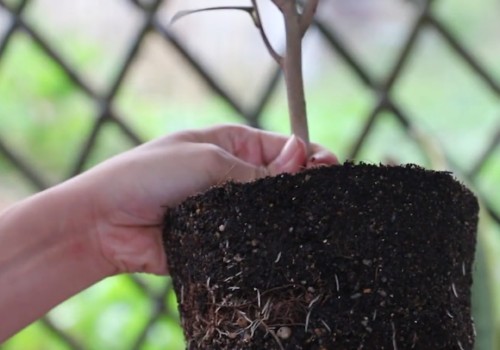
First, we need to take the plant out of its pot, then carefully observe the condition of the roots. If the roots have indeed rotted, we need to immediately repot it with fresh soil. But before repotting, be sure to first shake off the soil, wash the roots clean, then cut off the rotten roots and disinfect and sterilize them, and only then can it be potted.
After repotting is completed, fertilizing is an issue. After all, the plant is covered with flower buds, and getting it to bloom requires a large amount of nutrients as support. So does a camellia that has just been repotted need to be fertilized immediately? In fact, for beginner growers, generally no fertilizing should be done, and even watering should not be too much, otherwise it may worsen the degree of root rot. For experienced growers, fertilizing is usually also only done as appropriate after 1 month.
Moreover, even if fertilizing after 1 month, it needs to be kept away from the plant's roots and applied as close as possible to the inner edge of the flower pot, otherwise it is equally likely to cause secondary damage. Also, the fertilizer chosen at this time cannot be a quick-acting fertilizer. Although quick-acting fertilizer takes effect relatively quickly, it often further harms the plant's roots due to its fast fertilizer effect.
Of course, if after pulling out the plant we find that the roots have completely rotted and the plant has almost completely withered, then we might as well just discard it and make other plans as soon as possible!