-
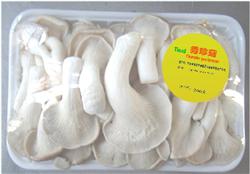
What Is the Oyster Mushroom? A Detailed Guide to Oyster Mushroom Cultivation Techniques
What is the oyster mushroom? A detailed introduction is given below. The oyster mushroom (Pleurotus geesteranus) belongs taxonomically to the phylum Fungi, class Basidiomycetes, order Agaricales, family Pleurotaceae, genus Pleurotus. Its name originates from Taiwan, China. It differs from the common Phoenix mushroom in that it is smaller, with a stem of 5-6 cm and a cap diameter...
-
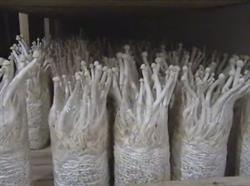
Detailed Guide to Pleurotus pulmonarius Cultivation Techniques and Growing Conditions
What are the growing conditions for Pleurotus pulmonarius? Please provide an introduction. The biological characteristics of Pleurotus pulmonarius and its required physiological and biochemical conditions are as follows: 1. Nutrition The main nutrient sources come from cellulose- and lignin-based raw materials. Such materials as cottonseed hulls, sugarcane bagasse, mixed wood sawdust, corn cobs, and bean stalks serve as carbon sources; wheat bran, rice...
-
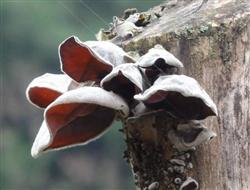
How to grow white-backed wood ear? A detailed guide to black wood ear cultivation methods
How to grow white-backed wood ear? An introduction to the environmental requirements of white-backed wood ear (1) Temperature. The suitable temperature range for mycelial growth is 8-37°C, with the optimum at 25-28°C; the suitable temperature range for fruiting body growth and development is 13-30°C, with the optimum at 18-22°C. Above 26°C the ear pieces grow quickly but are thin and turn red, resulting in poor product quality...
-
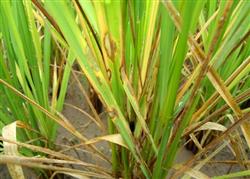
What Is Rice Sheath Blight? A Complete Guide
What is rice sheath blight? What damage does rice sheath blight cause? We ask friends to help explain the damage of rice sheath blight: Rice sheath blight is also called banded leaf blight. It can occur from the seedling stage to the heading stage. When leaf sheaths are infected, small dark green water-soaked spots with blurred edges appear near the water surface, then gradually expand into oval or cloud...
-
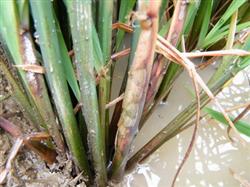
How to prevent and control rice sheath blight? A detailed guide to the control methods
How serious is the damage caused by rice sheath blight? How do you prevent and control rice sheath blight? We ask netizens to help explain. The damage caused by rice sheath blight is divided into leaf sheath infection, leaf infection and stem infection, described in detail below. Leaf sheath infection: near the water surface, small dark green water-soaked spots with blurred edges appear, which then gradually expand into an oval or...
-
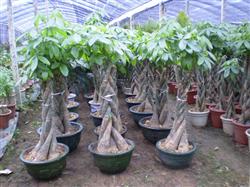
How to care for a money tree in winter? A full guide to care tips
How do you care for a money tree in winter? Please give guidance. The money tree (Pachira aquatica) is an evergreen tree that likes hot, humid climates. In winter the minimum temperature should be 15°C-18°C; below this temperature the leaves easily turn yellow and drop. If the indoor temperature is relatively high, water once every 3-5 days, and water thoroughly, that is, until you see a small amount of water seeping from the bottom of the pot. Check...
-
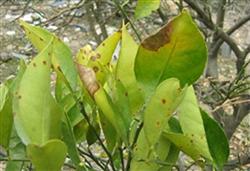
How to prevent and control anthracnose in citrus seedlings? A detailed guide to practical methods
What harm does anthracnose cause to citrus seedlings? How can citrus seedlings be protected against anthracnose? We hope experienced readers will share their advice. Zhongdiwang has compiled the harm caused by anthracnose in citrus seedlings and the control methods, listed below for readers' reference. Harm caused by anthracnose in citrus seedlings: anthracnose is a common disease in citrus cultivation...
-
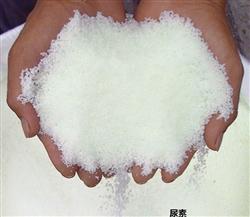
What Is Inorganic Fertilizer? A Complete Guide to Common Types of Inorganic Fertilizer
What is inorganic fertilizer? Which fertilizers are inorganic? An introduction. Inorganic fertilizer is also called chemical fertilizer. The characteristic of this type of fertilizer is that the nutrients it contains are relatively simple; most are a single chemical fertilizer containing only one or two nutrients. When applied to water it is easily broken down and takes effect quickly, so it is also called a "quick-acting fertilizer." It includes nitrogen...
-
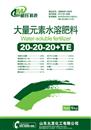
What Is a Macro-Element Water-Soluble Fertilizer? A Complete Guide
What is a macro-element water-soluble fertilizer? Here is a detailed introduction. A macro-element water-soluble fertilizer is a multi-nutrient compound fertilizer that dissolves completely in water. It dissolves rapidly in water, is more easily absorbed by crops, and its absorption and utilization rate is relatively high. Macro-element water-soluble fertilizers are liquid or solid products that are dissolved or diluted in water...
-
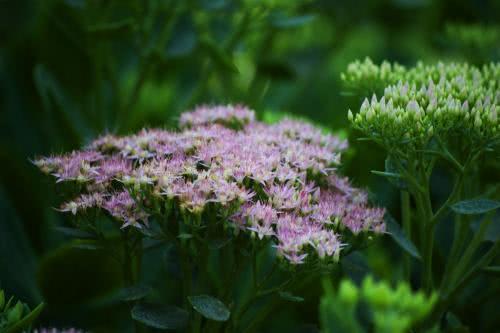
How to Grow Hylotelephium erythrostictum? A Complete Guide to Household Plant Care Notes
Hylotelephium erythrostictum is generally a wildflower that grows in the wild, but we must not look down on this flower just because it grows in the wild; it usually grows on hillside grasslands or in mountain gullies. The whole plant of this flower appears powdery white...
条件筛选