Detailed Guide to Fertilizing Methods and Techniques for Gardenia Cultivation
Gardenias love fertilizer. When grown in pots, besides applying organic fertilizer as a base fertilizer when repotting, they should also be top-dressed frequently during the growing period, and it is best to apply light fertilizer frequently. During the growing period, apply an organic liquid fertilizer once about every 10 days, preferably cake fertilizer water at a concentration of 10%-15%; after buds appear, apply 2-3 additional doses of quick-acting phosphorus fertilizer, such as 0.5% superphosphate. Do not fertilize past autumn; fertilizing after autumn causes vigorous growth of autumn branches and makes the plant prone to frost damage. During the growing period, along with fertilizing and watering, water once with 0.2% ferrous sulfate solution about every 15-20 days to prevent leaf yellowing.
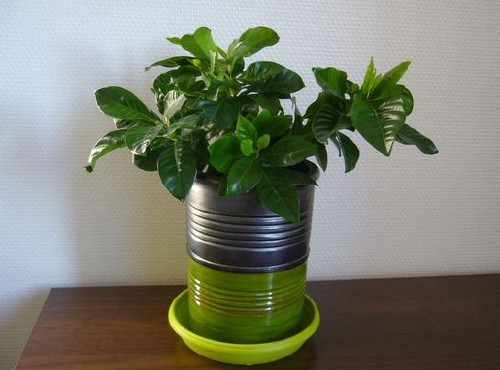
Gardenias love fertilizer and are suitable for fertilizers such as decomposed soybean cake, sesame paste residue and peanut bran. After fermentation and decomposition, these can become acidic, but fertilizer must be applied lightly and frequently; never use concentrated fertilizer or raw fertilizer, and do not fertilize during the winter dormancy period. For plants grown for less than three years, never apply human feces and urine. Applying too much nitrogen fertilizer will cause thick branches and large, dark green leaves, but no flowers. A deficiency of phosphorus and potassium fertilizer can also cause failure to bloom or withering and dropping of flower buds.
Gardenias are mostly grown in the ground, which makes management relatively easy; they only need one fertilization each in winter and spring. During flowering, water more to give them enough moisture and promote larger, more fragrant flowers.
Gardenias love fertilizer, but it is best to apply light fertilizer frequently. They prefer slightly acidic soil with good drainage. After transplanting small seedlings, top-dress once a month; prune once each month from May to July every year, cutting off the shoot tips to encourage branching and form a complete crown. For mature trees, removing spent flowers helps promote vigorous flowering later and prolongs the flowering period. For potted gardenias, promptly pour off accumulated water after rain, and apply alum fertilizer water promptly when leaves turn yellow.
Potted plants mostly use small gardenias. Pot them in spring in March, then apply liquid fertilizer once every half month. The potting soil should be kept moist, and the soil should be replaced once every two years. Some dense branches should be pruned appropriately to avoid the occurrence of scale insects.