-
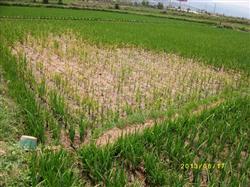
Which crops are prone to phytotoxicity from common pesticides?
Which crops will common pesticides cause phytotoxicity to? Please give an introduction. Common pesticides cause the following phytotoxicity to crops: Lime sulfur mixture: It is phytotoxic to plants such as peach, plum, apricot, and pear. If used on these plants, it is best to spray during the leaf-drop season, and it must never be used during the growing season or the flowering and fruiting period. Fenitrothion: In...
-
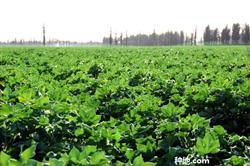
How to prevent phytotoxicity from plant growth regulators in cotton
How can cotton avoid phytotoxicity from plant growth regulators? Please advise on phytotoxicity from plant growth regulators and its symptoms: for the commonly used chlormequat, if the application concentration is too high or the dosage is too large, it will inhibit cotton plant growth, making the plants too short, causing buds and bolls to drop easily, and even deforming the bolls. When mepiquat chloride is sprayed in excess, it will inhibit...
-

3·15 Pesticide Anti-Counterfeiting: Eight Tricks to Teach You How to Tell Real Pesticides from Fake Ones
Every year on 3.15, a large number of counterfeit and substandard pesticides are uncovered. Fake pesticides cause enormous economic losses to farmers. I hope the agricultural input regulatory authorities will step up supervision...
-

How to remove pesticide residues from fruits and vegetables? Save these three methods that cost nothing
Vegetables and fruits are foods we must consume every day. The Dietary Guidelines for Chinese Residents (2016) recommends having vegetables and fruits at every meal, ensuring a daily intake of 300 to 5...
-
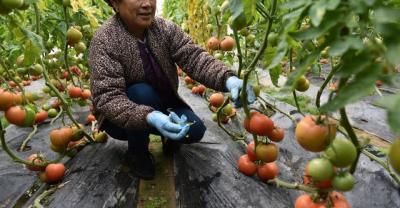
How to remove pesticide residues from vegetables and fruits? Households with elderly people, children, and pregnant women should pay attention
In daily life, everyone cannot do without fruits and vegetables, but the pesticide problem in vegetables and fruits is also particularly troublesome now. In order to reduce the intake of residues...
-

How do you remove pesticide residues from fruits and vegetables? A few simple methods to teach you
The actual effectiveness of "fruit and vegetable detoxifiers" is not high, yet pesticide residues on fruits and vegetables cannot be avoided. So how can consumers eat with peace of mind? 1. Rinsing under running water...
-

Feeding sheep with picked scallions: over 80 died from poisoning; what should be done about pesticide poisoning?
Recently, in Shouguang, Shandong, a sheep farmer fed his own sheep with picked scallions, after which the flock successively showed poisoning symptoms such as convulsions and foaming at the mouth. Despite desperate efforts to save them, still...
-

How do you remove pesticide residues from fruits and vegetables? Do this to reduce harm to your body
The fruits and vegetables bought from markets and supermarkets these days are all very fresh. But are these seemingly fresh fruits and vegetables really grown as increasingly green agricultural products? ...
-

How to remove pesticide residues from the surface of fruits and vegetables? Practical methods are here
Now, 99% of agricultural products have been treated with pesticides to varying degrees during production. Because the growing period is short and pests occur frequently, most fruits and vegetables are sprayed...
-
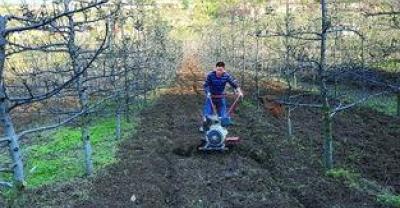
Eight Tips for Removing Pesticide Residues from Fruits and Vegetables
Vegetables grown in a natural environment are almost never completely free of pesticides. Many vegetable growers and agricultural experts say this. Some people refuse to accept it, thinking, "I'll just grow my own vegetables without spraying anything."...
条件筛选