Eight Tips for Removing Pesticide Residues from Fruits and Vegetables
Vegetables grown in a natural environment are almost never completely free of pesticides. Many vegetable growers and agricultural experts say this.
Some people refuse to accept it, thinking, "I'll just grow my own vegetables without spraying anything." In the end, pest damage often strikes before the fruit even ripens. Vegetables damaged by pests are not fit for people to eat either.
Since the use of pesticides is unavoidable, let's reduce the residues as much as possible. Here are 8 tips to help you remove as much pesticide residue from fruits and vegetables as possible.

Eight Tips for Removing Pesticide Residues
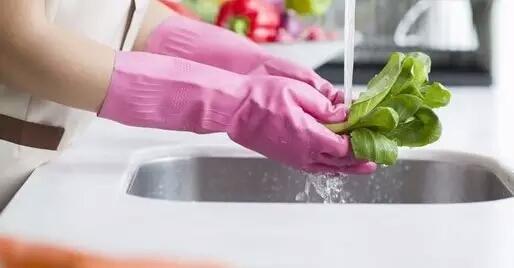
(One) Rub and wash under running water
Organophosphate insecticides are poorly soluble in water, so this method can only remove part of the pesticides. However, washing with water is the basic method for removing other dirt and pesticide residues from vegetables and fruits.
Research has found that rubbing while washing plays a key role in removing pesticides. Therefore, when we do not know what type of pesticide residue is on the vegetables, it is advisable to wash under running water while gently rubbing, for a better effect.
When washing, be careful not to soak for too long, otherwise nitrite may actually be produced, harming your health.
(Two) Rice-washing water / alkaline water (baking soda water)
Both rice-washing water and baking soda water are alkaline, and organophosphate insecticides decompose rapidly in an alkaline environment, so they can help reduce harmful substances in fruits and vegetables.
As for choosing rice-washing water, the water from a fresh rinse of rice is not very noticeably alkaline; it can be left to stand for a while to ferment, and its alkalinity will increase accordingly, giving a better effect. In addition, rice-washing water itself has a certain stickiness that can adsorb some pesticides and chemical substances attached to the surface of food. For fruits that are hard to clean, such as grapes, mulberries and strawberries, using rice-washing water is also relatively safe.
(Three) Flour water
Washing vegetables with flour water is also an option, but it should be noted that compared with rice-washing water, flour water is slightly less alkaline and its ability to break down pesticide residues is slightly lower, especially for breaking down phosphorus-containing pesticides.
(Four) Salt water
Compared with plain water, light salt water itself has a sterilising effect. Soaking in light salt water can also reduce pesticide residues that may be present in fruits and vegetables. In addition, light salt water has a relatively high solubility for formaldehyde and can dissolve formaldehyde residues that may be present in fruits and vegetables.
(Five) Fruit and vegetable cleaner
Washing vegetables with fruit and vegetable cleaner is a reasonable approach. If the quality of the cleaner can be guaranteed, the washing effect is generally somewhat better than rice-washing water.
However, it should be noted that some fruit and vegetable cleaners contain chemical ingredients, and compared with the methods above, their safety is sometimes relatively poorer. Therefore, when buying a fruit and vegetable cleaner, still pay attention to exactly what ingredients it contains.
(Six) Peel fruits and vegetables
Most pesticides generally remain on the skin of fruits and vegetables. Vegetables and fruits with uneven surfaces or many fine hairs are more likely to pick up pesticides and are hard to clean thoroughly, so peeling off the skin is a better method. For cucumber, carrot, apple, pear and the like, it is best to peel before eating.
The World Health Organization even once specifically advised China to thoroughly peel root and tuber vegetables and fruits.
(Seven) Blanch in hot water
High-temperature heating can break down pesticides. Blanching can remove about 80% of pesticide residues, especially for leafy vegetables such as spinach, Chinese cabbage, rapeseed, choy sum, cabbage and round cabbage, while blanching green beans, celery and cauliflower in boiling water for a few minutes can reduce pesticide residues by 30%.
First wash the surface contaminants off with plain water, then put them into boiling water and cook for 2 to 5 minutes, then scoop them out and rinse 1 to 2 times with plain water.
(Eight) Let them sit before eating
Pesticides can slowly break down over time into substances harmless to the human body (oxygen in the air and enzymes in vegetables have a certain effect in breaking down residual pesticides), so for melons, fruits and vegetables that keep well, storing them for a certain period can reduce pesticide residue levels. It is advisable not to immediately eat freshly picked, unpeeled melons and fruits.
Tips
Vegetables with "worm holes" are not necessarily safer
Many people believe that vegetables with worm holes have not been sprayed with pesticides and are safer to eat. But in fact, whether there are worm holes or not cannot determine whether pesticides were used. Depending on the vegetable's growth cycle, growers often spray pesticides early on to prevent pests and diseases. The vegetables with worm holes that consumers see are often vegetables that have recently reached the market, and their pesticide residues may actually be higher. So do not blindly assume that vegetables with worm holes have not been sprayed with pesticides.