Feeding sheep with picked scallions: over 80 died from poisoning; what should be done about pesticide poisoning?
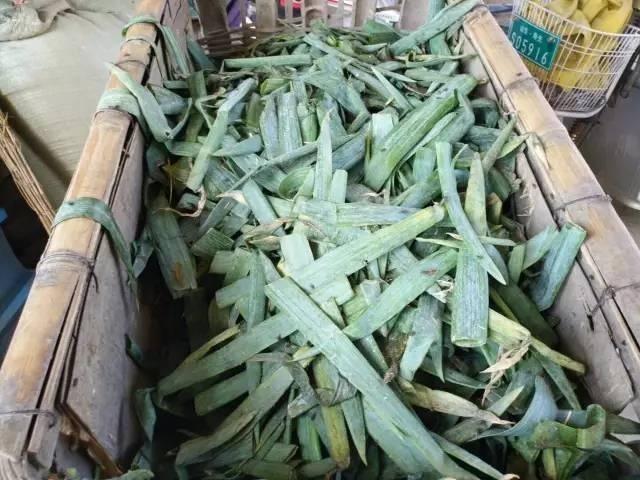
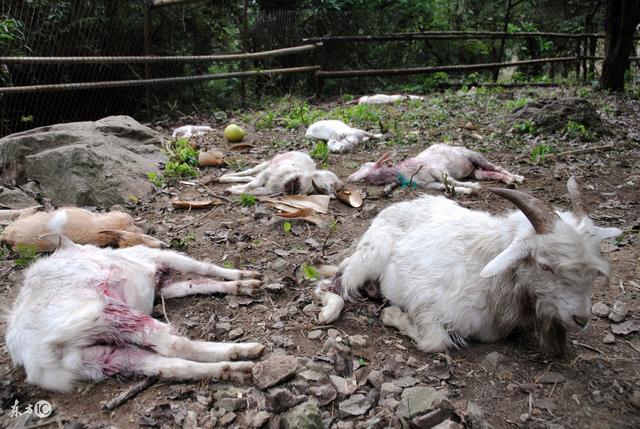
Recently, in Shouguang, Shandong, a sheep farmer fed his own sheep with picked scallions, after which the flock successively showed poisoning symptoms such as convulsions and foaming at the mouth. Despite desperate efforts to save them, more than 80 sheep still died from poisoning, causing serious losses. Afterwards, staff from the health quarantine station found in the scallion leaves they had fed the sheepcomponents of organophosphorus pesticides such as phorate and chlorpyrifos, which are highly toxic and belong to the extremely toxic category;and the scallion growers involved were also taken away by relevant units for investigation. So what organophosphorus pesticides are there? How should early treatment be carried out?
Organophosphorus pesticides are currently the most widely used highly effective insecticides. According to the degree of toxicity, they are divided into three major categories.The low-toxicity category includes trichlorfon, malathion, etc.; the high-toxicity category includes dichlorvos, dimethoate, methyl demeton, imidacloprid, etc.; the extremely toxic category includes phorate, parathion, demeton, methyl parathionand others. If livestock and poultry accidentally eat grass or vegetables sprayed with organophosphorus pesticides, the activity of cholinesterase in the body is inhibited, causing poisoning symptoms such as drooling, difficulty breathing, rapid heartbeat, muscle convulsions, collapsing into a coma, urinary incontinence, and foaming at the mouth.
How should it be prevented and treated? First, immediately stop feeding forage or food containing pesticides; second, inject specific antidotes such as atropine, pralidoxime, obidoxime, and trimedoxime for treatment.Atropine(which has an antagonistic effect on organophosphorus) dosage: cattle and sheep 0.25 mg per kg of body weight, pigs and dogs 0.5-1 mg, administered in one subcutaneous or intramuscular injection. For severe cases, 1/3 of the total drug amount can be mixed evenly with glucose saline for intravenous injection, and the remaining 2/3 can be injected subcutaneously or intramuscularly. If symptoms have not eased after 1-2 hours, the medication can be repeated until atropinization occurs (dry mouth, cessation of sweating, dilated pupils), then switch to a maintenance dose, administered once every 3-4 hours, for 1-2 consecutive days.

Pralidoxime(activates cholinesterase activity) dosage: livestock 15-30 mg per kg of body weight, dissolved in 5% glucose saline, injected slowly intravenously, repeated once every 2-3 hours with the dosage halved until symptoms ease. If obidoxime or trimedoxime is used, the method is the same. Pralidoxime has a good detoxifying effect on most organophosphorus pesticides, but has poorer effects on dichlorvos, trichlorfon, dimethoate, malathion, etc., and must never be combined with alkaline drugs;Obidoximehas a good effect on acute demeton, phorate, dichlorvos, and parathion poisoning, with the same method as pralidoxime.
Furthermore, take detoxification measures to eliminate residual toxicants. You can administer 2%-3% sodium bicarbonate solution, 1% saline, or warm or cold water by gavage for repeated gastric lavage multiple times, and finally administer activated carbon by gavage. It should be noted that for trichlorfon poisoning, saline or clean water should be used for gastric lavage, and alkaline aqueous solutions should not be used; for parathion and demeton poisoning, oxidizing agents such as potassium permanganate are prohibited for gastric lavage, otherwise it will intensify the toxic harm; finally, glucose solution needs to be injected to increase the liver's detoxification and the kidneys' toxin excretion functions. (The method is for reference only)
Discussion: The use of pesticides for pest control in crop cultivation is very common. How do you think such tragedies can be avoided?
Chicken farming: Scientists have bred featherless chickens, and egg-laying performance increased by 15%-20%!