How do you remove pesticide residues from fruits and vegetables? Do this to reduce harm to your body
The fruits and vegetables bought from markets and supermarkets these days are all very fresh. But are these seemingly fresh fruits and vegetables really grown as increasingly green agricultural products? Actually, that is not necessarily the case. Today's fruits and vegetables, especially off-season fruits and vegetables, are all grown in greenhouses. To keep fruits and vegetables fresh during growth, transport and sale, countless pesticides and freshness-retaining and moisture-retaining chemicals may have been added. For the health of yourself and your family, the editor has summarized several small methods to remove pesticide residues from fruits and vegetables:
Soak in clean water for at least 30 minutes:
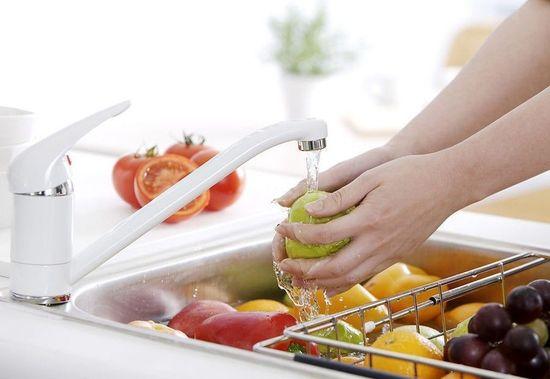
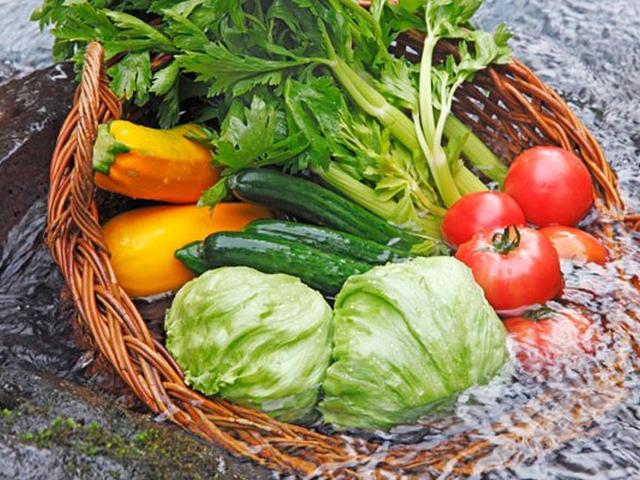
First rinse off visible dirt and residue on the surface of the fruits and vegetables with clean water, then put the fruits and vegetables into a basin and soak them with enough water to cover them. It is best to soak them in running water for no less than 30 minutes, but this really wastes water resources. Add fruit and vegetable cleaner, which can effectively increase the dissolution of pesticides. Repeat washing and soaking 2 to 3 times like this, and most residual pesticide components can basically be removed, improving the taste of the fruits and vegetables.
2. Soak in alkaline water first, then rinse with clean water:
The most common pesticides in fruits and vegetables are organophosphorus insecticides, but these insecticides decompose rapidly in an alkaline environment. Therefore, it is recommended that after washing the fruits and vegetables with clean water, add an appropriate amount of baking soda to water and stir evenly, then soak the fruits and vegetables in it for more than 10 minutes, and then wash them clean with clean water.
3. Blanch before cooking:
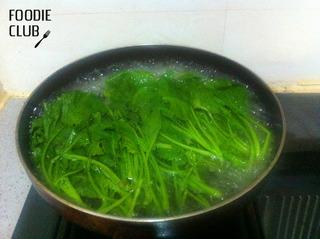
When cooking at home, the parents' generation likes to boil a pot of hot water before cooking and put the vegetables to be stir-fried into the hot water for a moment, which is called "blanching". This is because many insecticides decompose rapidly at high temperatures, so putting vegetables into boiling water briefly can better remove their residual pesticides. However, not all dishes are suitable for this method, because after all, some nutrients in the vegetables will also be lost during boiling, and it will also affect the taste of the dish.
4. Use sunlight for sterilization:
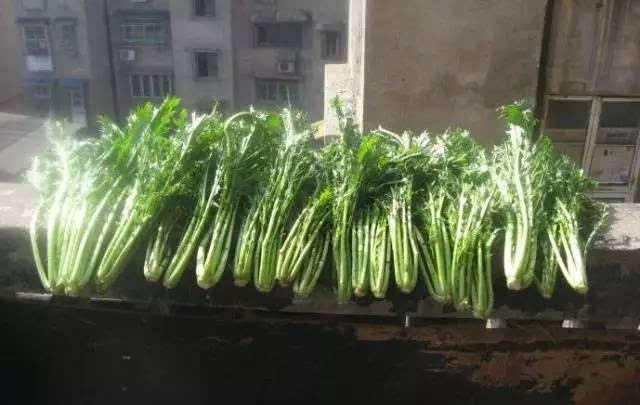
According to scientific research and the advice of nutrition experts, some vegetables bought from markets or supermarkets that we are not in a hurry to eat and that can be stored can be taken out to dry in the sun, so that the disinfecting function of sunlight can be used to decompose pesticides. For example, eggplants, tomatoes, carrots, radishes, etc., after being brought home, can be placed in sunlight for about 10 minutes. The residual pesticides will decompose and disappear to a certain extent, because oxygen in the air has a certain decomposing effect on pesticides.
5. Peel some vegetables:
In fact, pesticide residues mainly attach to the outer skin of fruits and vegetables. For fruits and vegetables with skin, be sure to wash them before peeling. Some people peel them directly without washing them clean, which easily brings harmful substances from the outer skin to the edible part and harms health.

Here the editor wants to remind every reader that although today's fruits and vegetables have serious pesticide residues and cause great harm to the human body, we can only reduce the harm as much as possible. When cleaning fruits and vegetables, we must also consider saving water.