-
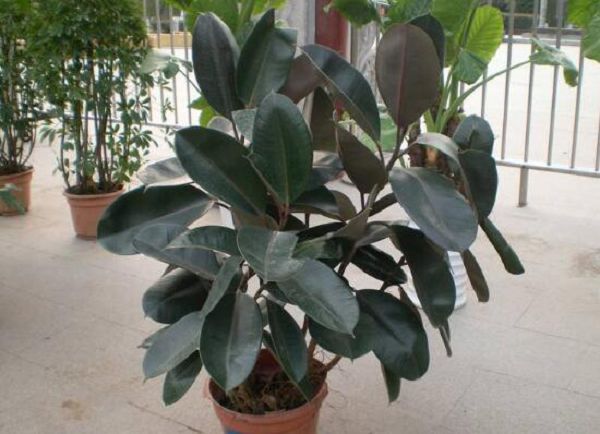
How to grow a rubber tree bonsai? A detailed guide to four-season care methods
How to care for a rubber tree bonsai, four-season care methods for rubber trees
-
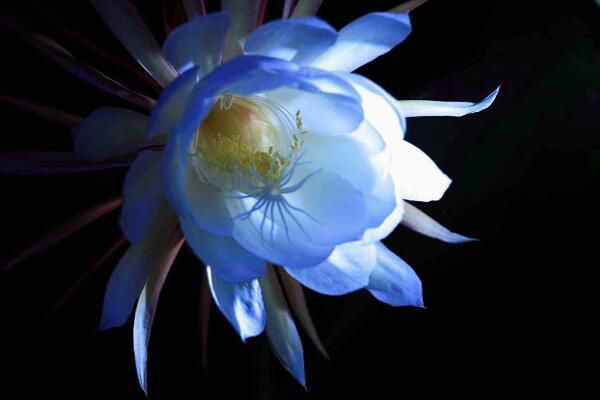
What is the difference between cactus flowers and Epiphyllum oxypetalum flowers? A detailed explanation of four differences
The differences between cactus flowers and Epiphyllum oxypetalum flowers, introducing four different points
-
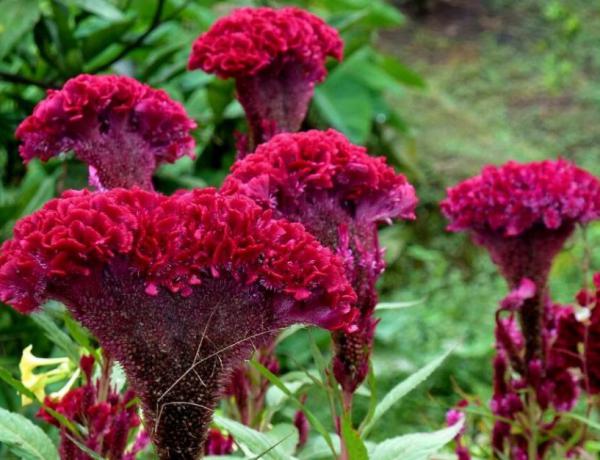
How to water cockscomb? A detailed guide to watering methods for all four seasons
Watering methods for cockscomb through the four seasons
-
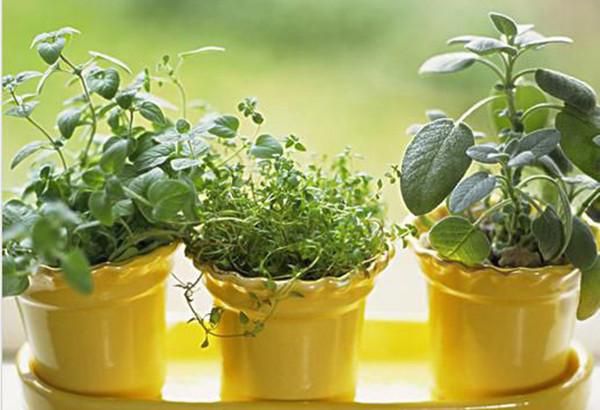
Five key points and four taboos for growing flowers in winter, helping flowers overwinter safely
Five key points and four taboos for growing flowers in winter, safe overwintering is not a dream
-
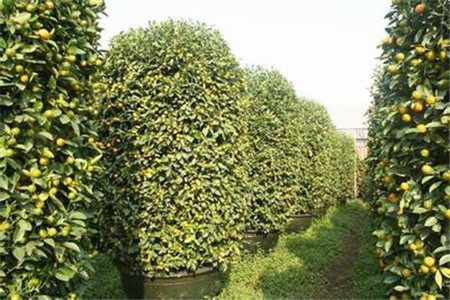
How to make a four-season kumquat bonsai? Master these steps and get started easily
How to make a four-season kumquat bonsai?
-
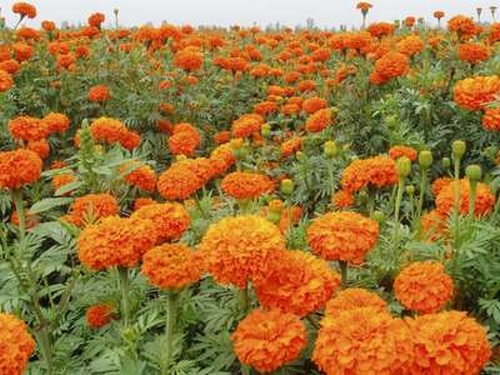
How to regulate the flowering period of Calendula so it grows lush and blooms in all four seasons
Calendula (pot marigold) is a very common potted flower in the home. Getting it to bloom in a pot is by no means the ultimate goal of flower lovers; lush, vigorous growth is what brings more joy. How do you make calendula grow lush and bloom in all four seasons? [Start with seed selection] When planting calendula,
-

How to increase the yield of lilies? Master these four methods
Lily, also known as white lily and lily garlic, has effects such as moistening the lungs and stopping cough, clearing the heart, and calming the mind. It is an economic crop suitable for both medicinal and vegetable use, with relatively high planting benefits. Under conventional cultivation and management, farmers can adopt the following four methods to achieve the goal of increasing yield and efficiency. 1. Chemical regulation method. When lily seedlings grow to 18-20 cm tall, carry out chemical regulation: per mu use the plant growth regulator paclobutrazol 20-50 grams, or mepiquat chloride 10-15 grams, or daminozide (B9) 5-10 grams, or mepiquat chloride 5-10 grams, choose any one, add water 50-
-
How to grow azaleas? Remember the four dos and four don'ts
Azalea, also known as yingshanhong, belongs to the genus Rhododendron in the family Ericaceae and is a typical acid-indicating plant. Because of its brilliant flower colors, unusual flower shapes, long flowering period and varied cultivars, it is often loved by people. However, improper management methods cause yellow leaves, few and pale flowers, and even death. Therefore, in routine care, special attention should be paid to the "four dos and four don'ts". 1. It prefers warmth and humidity, and should avoid blazing sun and excessive moisture. Azaleas grow best in a warm and humid environment. The potting soil should be kept moist, but not waterlogged, as waterlogging easily causes root rot and death. If watering with tap water, add an appropriate amount of edible vinegar or sulfur
-
Four Practical Methods for Controlling Pests and Diseases in Flowers, Trees and Bonsai
Using pesticides to control pests and diseases in flowers and trees easily pollutes the environment. Here are 4 safe methods for controlling pests and diseases in flowers and trees. 1. Spraying method (1) Mix 0.5 kg of plant ash with 2.5 kg of water, soak for 24 hours, take the filtered clear liquid and spray it, which can kill aphids on plum blossoms, Chinese roses, pomegranate trees, etc. (2) Spray with a 0.1% concentration baking soda solution, which can control powdery mildew on flowers such as Chinese roses, chrysanthemums, garden balsam, cotton rose, and cineraria, with a control rate of over 80%.
-
Artistic bonsai displayed along the Fourth Ring Road, adding new scenery to road greening
The reporter entered the main road of the East Fourth Ring Road from Honglingjin Bridge, and along the way saw that Taihu stones, five-needle pines, canna lilies, Xi'an juniper cypresses, and various miniature landscape pieces and bonsai had all been "moved onto" the Fourth Ring Road (Chaoyang section). Colorful roses, yellow black-eyed Susans, daylilies, and other flowering and foliage plants were arranged in a harmonious and picturesque way along both sides of the route. In the green belt of the Fourth Ring Road, there are not only "famous flowers and precious grasses" but also Taihu ornamental stones and bonsai miniature landscape works. The long green belt has become a miniature boutique park. The Fourth Ring Road (Chaoyang section) runs north from Jian
条件筛选