Five key points and four taboos for growing flowers in winter, helping flowers overwinter safely
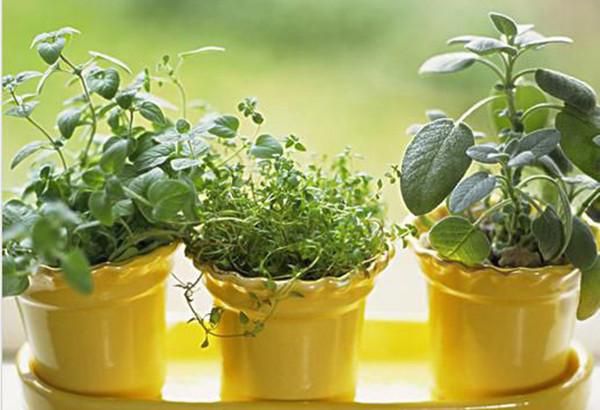
Because winter temperatures are low and humidity is low, rooms with heating are extremely dry, and rooms without heating are very cold and damp, which is very unfavorable for the growth of flowers and plants. Below is an introduction to the five key points and four taboos for growing flowers in winter.
Five key points for growing flowers in winter:
1. Pay attention to frost protection and insulation
Now that residents' housing conditions have improved, enclosed balconies are very beneficial for potted flowers to overwinter. If there is no enclosed balcony, potted flowers should be brought indoors at night. For some potted flowers that are especially afraid of cold, such as tropical orchids, bromeliads, poinsettias, and Anthurium, the nighttime room temperature should preferably not be lower than 10°C.
2. Pay attention not to water too much
In winter, the amount of water evaporation is small, and in addition, flowers and plants stop growing under low-temperature conditions, especially the vitality of the root system declines. Too much water makes root respiration difficult and can easily cause root disease, or even root rot and death.
3. Pay attention not to apply too much nitrogen fertilizer
In winter, the absorption capacity of flowers is not strong. Applying too much nitrogen fertilizer will cause the electrical conductivity in the potting soil to rise and damage the root system. At the same time, applying more nitrogen fertilizer makes the branches and leaves tender and reduces cold resistance and disease resistance, which is not conducive to overwintering.
4. Pay attention to giving more sunlight
In winter, the light intensity is not high, but flowers still need more light to facilitate photosynthesis and produce organic nutrients to improve the plant's resistance. For some flowers that bloom in winter, it is also beneficial for lush branches and leaves and for making the flowers bloom larger and more beautiful.
5. Pay attention to disease prevention and pest control
Diseases that easily occur in winter are all fungal diseases, such as gray mold, root rot, and phytophthora blight. The reasons are none other than low temperature, high humidity, and decreased plant resistance. Therefore, the key is to work on reducing humidity, making plants grow robustly, and improving resistance, with chemical control as a supplement. Pests mainly involve preventing scale insects and aphids.
Four taboos for growing flowers in winter:
1. Avoid excessively high indoor temperatures
Many flowers and plants enter dormancy and semi-dormancy in winter and need quiet care and full rest. Whether in a living room or on a balcony, the temperature should be controlled between 4-8°C (for flowers that need dormancy), and preferably not exceed 10°C. Once the temperature is high, flowers will have physiological activity, and may even sprout, wasting the energy they have accumulated, which is extremely unfavorable for growth in the coming year. This type of flowers and plants includes: Aglaia odorata, gardenia, jasmine, citrus, plum blossom, fig, pomegranate, grape, hawthorn, papaya, Chaenomeles speciosa, apricot, peach, apple, honeysuckle, winter jasmine, Cymbidium goeringii, Cymbidium faberi, and so on.
2. Avoid excessive fertilizer and water
When flowers and plants reach the dormant period, all physiological activities basically stop, and they need very little fertilizer and water, just enough to maintain life. For all flowers that hibernate in winter, no fertilization is needed in winter. Fertilizing not only causes waste, but also damages the root system of flowers and plants.
3. Avoid dry air
The environment in the north is already very dry, and when the relative air humidity is too low, it will affect the growth of flowers and plants. Flowers and plants that require relative air humidity of no less than 80% include: camellia, rhododendron, Anthurium, orchid, spider plant, asparagus fern, Acorus gramineus, and saxifrage; flowers and plants that need relative air humidity to reach 60% include: Michelia alba, hibiscus, fuchsia, cyclamen, jasmine, rubber tree, Monstera deliciosa, Aglaia odorata, Michelia figo, Pittosporum tobira, and cacti. When humidity is insufficient, spraying water can be used to solve the problem.
4. Avoid lack of sunlight
Flowers and plants should be placed in a place with good light, or put in the sun for a period of time every day. It is best to ensure at least more than 3 hours of light every day, so that flowers can grow vigorously in the coming year. Even woody flowers that lose their leaves in winter and have no leaves should still see sunlight. Leaving them in a dark place for a long time is absolutely inadvisable.