How to grow a rubber tree bonsai? A detailed guide to four-season care methods
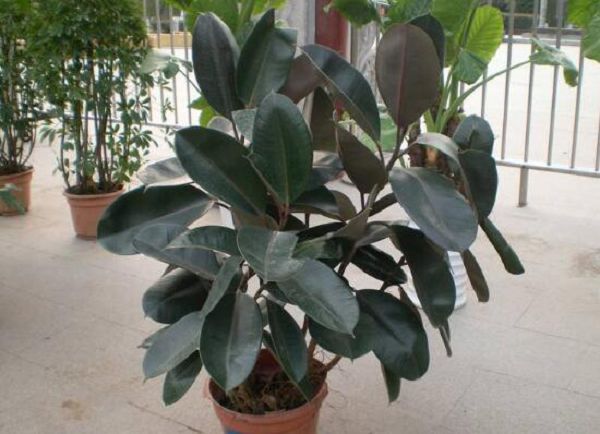
The rubber tree is a plant with relatively high ornamental value, and it can be seen everywhere outdoors. However, some people also grow rubber trees indoors, because the rubber tree can effectively purify indoor air. But many people do not know how to care for a rubber tree bonsai, so when growing it at home they often end up killing the plant. In fact, caring for a rubber tree is a very simple matter. Now, let's take a look at the four-season care methods for rubber trees.
I. How to care for a rubber tree bonsai
The rubber tree is a foliage plant from tropical regions and likes to grow in a warm and humid environment. During growth it needs plenty of light. However, if you grow a rubber tree bonsai at home, it is best to place it on a balcony so that the plant can absorb sufficient light and also promote plant growth.
But if you want the rubber tree to grow more robustly, you must properly fertilize and water the plant so as to supplement a large amount of nutrients and let the plant grow quickly. Note, however, that overwatering or overfertilizing must not occur, otherwise it will affect the plant's normal growth, and in severe cases it will even cause the rubber tree to wither and die.
II. Four-season care methods for rubber trees
1. Rubber tree spring care tips
The rubber tree is naturally robust and relatively easy to manage. In spring, place the plant in a bright spot, keep the potting soil moist, and frequently sprinkle water around the plant to increase air humidity. Fertilize appropriately according to the plant's growth condition. As temperatures gradually rise in late spring, the rubber tree can be moved to a semi-lit environment or kept indoors with scattered light.
2. Rubber tree summer care methods
The rubber tree tolerates high temperatures and strong sun, but excessively strong light can also cause the leaves to lose their gloss, which is not good for ornamentation. The rubber tree can be placed in a bright spot, or directly exposed to sunlight, but provide appropriate shade at midday. It also needs plenty of water to promote plant growth.
3. Rubber tree autumn care methods
In autumn, light gradually weakens, so the rubber tree can be moved to a sunny windowsill or balcony, and the potting soil should be kept moist. In autumn, its cold resistance should be appropriately strengthened. It can be left outdoors for a period of time to toughen up in low temperatures, but it must not be exposed to frost. Before frost arrives, it should be moved promptly into a bright indoor area.
4. Rubber tree winter care tips
The rubber tree is not cold-tolerant, though it can withstand short-term low temperatures of 0°C. Indoor temperatures should be kept at around 5°C. At this time the rubber tree's growth is at a standstill, so sufficient light should be ensured, and the potting soil should be kept moist but on the dry side. Potting soil that is too wet easily causes root rot. When the temperature is relatively high at noon, spray water on its surroundings and leaves several times.
Conclusion: Through the detailed introduction above, I believe everyone now knows how to care for a rubber tree bonsai. In fact, growing a rubber tree is a relatively simple matter, because the rubber tree has fairly strong vitality. With just proper watering and fertilizing, the plant can grow lush and flourishing. However, if you want the rubber tree to be more ornamental, you can follow the four-season care methods for rubber trees above.