The four most common diseases of winter vegetables
After the start of winter, temperatures gradually drop, and winter is almost here. When growing vegetables at this time, low temperatures often have an adverse effect on vegetable production, and it is very easy for reduced ventilation time to cause the four conditions in the greenhouse to increase, creating conditions for the occurrence and spread of diseases. Below, the editor brings you the four most common diseases when growing vegetables in winter. Let's take a look.
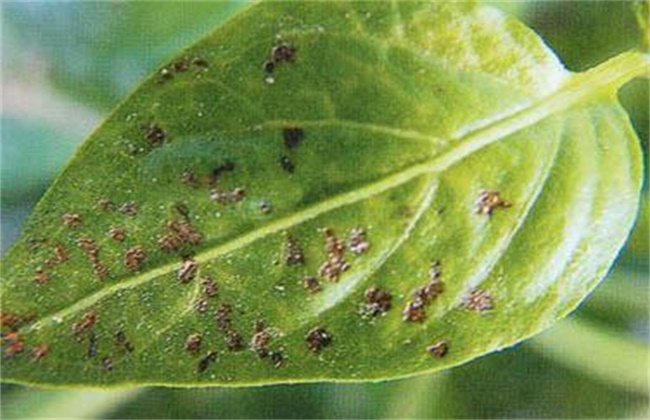
1. Leaf spot disease
Also called brown spot disease or small yellow spot, in recent years it has occurred commonly and caused serious damage in cucumber cultivation, especially in winter, when it is very easy to form a high-temperature, low-humidity environment, creating favorable conditions for the reproduction and infection of its pathogens. This disease mainly damages leaves, and when it occurs, it first starts from the middle leaves and gradually spreads downward, being most serious when the fruit load is large. The common symptom is the production of yellow-brown spots on the leaves. Because field humidity differs, the difference in lesion size can be divided into small spots, large spots, and angular spots. This disease can be controlled with agents such as boscalid, benzyl · prochloraz, fluopicolide · trifloxystrobin, fluopicolide · tebuconazole, and Kangpusen Kaiban.
2. Gray mold
Gray mold is a disease that occurs most seriously at low temperatures, and its host range is extremely wide. It can infect 400 kinds of crops, including tomato, eggplant, cucumber, zucchini, and Chinese chives. As temperatures drop, gray mold has appeared in vegetables in many areas. It mainly infects plant flowers, fruits, leaves, stems, and other parts, mostly starting from the stigma or petals and gradually spreading to the fruit, with young fruit generally suffering the most serious damage. When leaves are infected, it first starts from wounded leaf tips or leaf margins prone to condensation, and spreads inward in a "V" shape along the area between the veins. This disease can be controlled with agents such as procymidone, iprodione, difenoconazole · diethofencarb, pyraclostrobin · fluopicolide, and Kangpusen Chuhui.
3. Downy mildew
Downy mildew is a typical high-humidity disease. It does not have high temperature requirements, but the low-temperature and low-light environment of winter very easily leads to excessively low humidity in the greenhouse, causing downy mildew to spread. It can damage many vegetable crops such as cucumber, melon, loofah, lettuce, and celtuce, and is one of the most serious diseases in vegetable production. Because it damages many vegetables, there are also certain differences when it occurs. It can be controlled with agents such as propamocarb, dimethomorph, fluoxastrobin, dimethomorph · pyraclostrobin, and Kangpusen Runshuang.
4. Late blight
Also called black stalk disease, it is one of the main diseases of overwintering tomatoes. It occurs seriously in low-temperature and high-humidity environments, especially under conditions of sudden temperature drops, continuous rainy days, severe haze, and low temperature with low light. For control, agents such as propamocarb, cymoxanil, dimethomorph, fluopicolide · propamocarb, fluoxastrobin, and Kangpusen Runshuang can be used.
The above is an introduction to the four most common diseases when growing vegetables in winter. We hope it can help you. If you want to learn more related knowledge, please stay tuned to us.