-

What to Do About Phenol Poisoning in Dogs? Emergency First Aid Basics, Part Two
Phenol-based preparations are widely used in public health disinfection and in veterinary clinical work, with common preparations including carbolic acid, Lysol, guaiacol, xylene and others. As a corrosive agent and sterilizing agent, phenol can be used to disinfect floors, kennels and large feeding utensils; if a dog licks and ingests a certain amount, poisoning symptoms will appear. Phenol preparations can cause damage to the nervous system. Skin in contact with phenol preparations becomes red and exudes fluid. The affected dog is listless, vomits, has tonic convulsions and paralysis. During treatment, the local skin should be washed clean with water, then use 10% ethanol
-
How to raise first-time mother pigs? Master these breeding secrets
1. Nutritional regulation during the growing period. For young sows (two-way crossbreeds), starting from 30 kg body weight, each kg of compound feed in the diet should contain 13 megajoules, 16% crude protein, 0.8% lysine, 0.75% calcium, and 0.65% phosphorus; do not restrict feed intake, and let them eat as much as possible. Starting from 45 kg body weight, increase the calcium and phosphorus content by 0.1% each. At 150 days of age, when the young sow weighs about 80 kg, control feed intake to 2.3 kg to 2.5 kg per day. For native-breed young sows, the calculated body weight should be 2 kg to 3 kg less.
-

First Foreign Head of State Visits Flora Expo: President of Nauru and Wife Listen to the Sound of Flowers Blooming
Taichung Flora Expo continues to draw crowds, with visitor numbers surpassing 3 million; yesterday (the 9th) it welcomed its first foreign head of state, President H.E. Baron Divavesi Waqa of the Republic of Nauru, an ally of our country, and his wife, who visited the Houli park and were personally received by Mayor Lu Shiow-yen...
-
How to prevent and treat deformed mushrooms? First, identify the common types
Deformed mushrooms take many forms. The main ones commonly seen in production are: landmine mushrooms, hollow mushrooms, big-bottom mushrooms, hard cap opening and early cap opening, red roots, and water rust spots. Landmine mushrooms. The main cause is that the casing soil material is too coarse, the soil is rather hard, the casing layer is thick, the surface of the casing layer contains relatively little water, while the temperature and humidity conditions of the lower part and the substrate are suitable for fruiting body formation and growth, so fruiting bodies are easily differentiated and formed on the surface of the substrate or in the middle and lower layers of the casing soil, and then push out through the soil surface. Solution: choose high-quality humus soil, preferably peat soil, and mix in a certain amount of rotted cow manure or wheat bran, etc. in proportion; when collecting and sun-drying the soil, it should be sieved so that most soil particles remain comparable in size to @#@245@#@ particles, with the largest about 1/2 the size of a corn kernel, accompanied by some soil particles; casing is generally about 3 cm, and if conditions permit, first apply a layer of coarse soil 1-1.5 cm thick, then fine soil, and pay attention to maintaining uniform moisture content.
-
Prevention and control of infectious diseases in pigs: management comes first
The new pig diseases that have emerged force us to re-evaluate existing production systems. If there is no vaccine, improved management methods must be used to control the disease; even with a vaccine, control may still fail without management. This article provides some basic methods to help pig farms adopt suitable approaches to control infectious diseases according to their own situations. The goal of disease control must be clear: the goal is to "control" the disease, not yet to eradicate it. Overall, control measures usually reduce the pig population in a reasonable way to cut off
-
How to scientifically control the first generation of the second-brood striped stem borer in single-season rice
Control recommendations 1. For early-sown and early-transplanted single-season rice fields, carry out a full control treatment once from June 20-25, targeting mainly stem borers and small brown planthoppers, and also controlling early-occurring leaf folders and rice thrips. Use 5% fipronil (Regent) suspension concentrate at 40-50 ml/mu, diluted in 30 kg of water for spraying. 2. For fields where rice stripe disease has occurred, on the basis of pulling out and removing diseased plants, promptly apply chemicals to control small brown planthoppers. Use 40% chlorpyrifos (Xinnongbao, Saiben) at 100 ml/mu, diluted in 30 kg of water for spraying, and repeat the treatment after an interval of 5-7 days.
-
Do tea leaves have pesticide residues? Should you discard the first infusion?
Pesticides are now found everywhere on agricultural products, and even tea leaves contain pesticides. Some people discard the first infusion when brewing tea, pouring it away and not drinking it. Is this correct? How can you reduce the chance of ingesting pesticides when drinking tea? Director of the Tea Research and Extension Station of the Council of Agriculture
-
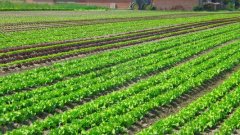
A Detailed Guide to Vegetable Growing Techniques and Practical Methods
If you are a first-time vegetable grower, it is best to grow wild vegetables. So-called wild vegetables include such plants as Madeira vine, Gynura bicolor, sweet potato leaves, ginseng herb, aloe, Taiwan angelica, and shungiku. Wild vegetables are easy to grow and high in energy, but they have a distinctive taste of their own, so insects dislike coming near them, and they can grow well without pesticides
-
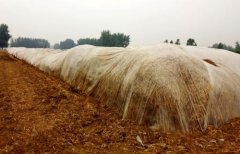
Want to make your own organic fertilizer? First, understand what compost is and its benefits
Organic compost. Composting is an ancient technique that requires no precise calculations or advanced skills. With just a little effort, you can both solve the environmental problem of waste and improve soil fertility, making it well worth adopting. Let's take a look together below. Farm compost
-
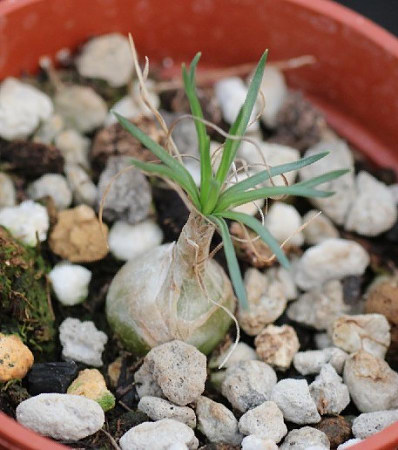
Want bulb flowers to bloom again? First, the key is nurturing the bulb
The flower bud formation of most bulbous flowers is stimulated by temperature differences. Most regions of our country have a climate with four distinct seasons, so without any stimulation, bulbous flowers can bloom again. That is to say, as long as you nurture the bulb well, reblooming is only a matter of time, and many kinds of bulbous flowers can bloom again. So it comes down to one point: you must nurture the bulb well.
条件筛选