-

Introduction of new giant winter peach varieties, a first look at new peach varieties
The "Giant Winter Peach", king of Chinese peaches, is a newly bred superior winter peach variety from the Zhengzhou Fruit Research Institute of the Chinese Academy of Agricultural Sciences. Its outstanding characteristics are as follows: exceptionally large fruit. The average single fruit weight reaches over 400 grams, with the largest single fruit reaching 1200 grams. The fruit is nearly round, making it one of the largest peach varieties currently available in China. Beautiful appearance and excellent quality. After ripening, the fruit fuzz falls off naturally. The background color of the fruit surface is creamy yellow, and the fruit surface is bright red, very gorgeous, matching international popular colors; the flesh is milky white, dense in texture, tender and firm, with a sweet and delicate fragrance, and a sugar content of 17%-19%
-
Introduction to First-Grade Superior Sweet Kernel Apricot Varieties: Fengren
Fengren Fengren was bred by the Liaoning Institute of Pomology in 1998. The fruit is flat-ovoid, with an average single fruit weight of 13.2 grams, and is freestone. The dry pit weight is 2.17 grams, the pit yield is 16.4%, and the pit surface is relatively convex. The average dry kernel weight is 0.89 grams, the kernel yield is 39.1%, and the kernels are thick, plump, and sweetly fragrant. The average annual kernel yield per tree for 5-10 year old trees is 4.4 kg, 38.5% higher than Longwangmao. The self-pollination fruit-setting rate is 2.4%, and it is extremely productive. It is the pollinator variety for Chaoren.
-
Introduction to the Longwangmao Cultivar, a First-Grade Elite Kernel Apricot Variety
Longwangmao is currently the only first-grade cultivar among the main kernel apricot varieties grown commercially in China, and is known internationally as "Dragon Emperor Large Almond." The fruit is oblate, with an average single-fruit weight of 18 g and a maximum of 24 g; the skin is orange-yellow and the flesh is thin; the stone is free. The pit yield is 17.5%, and the dry pit weight is 2.3 g. The kernel yield is 37.6%, and the average dry kernel weight is 0.8-0.84 g. The kernels are flat and plump, conical with a flat base; the kernel skin is brownish-yellow, and the kernel flesh is milky white, aromatic and crisp, with a slight bitterness. 5-
-
How to control the Japanese wax scale on goldenrain tree? First understand its occurrence pattern
The Japanese wax scale (Ceroplastes japonicus Gr.) belongs to the order Homoptera, family Coccidae. Also known as the Japanese wax scale and the jujube armored wax scale, commonly called the jujube louse. When it breaks out over large areas on goldenrain trees, in severe cases the entire tree's branches and leaves are covered with the insects, and female insects attached to the twigs look like snow from a distance. The nymphs suck sap on the leaves, and their excrement covers the whole tree, weakening the tree's vigor and seriously affecting the landscaping appearance. Through two years of investigation and study, the occurrence pattern of this pest was clarified, and a satisfactory control method was found. This pest
-
What varieties are first-grade superior varieties of apricots for kernel use?
1. Longwangmao Among the apricot varieties for kernel use currently mainly cultivated in production in China, only Longwangmao is first-grade, and it is called "Longhuang Big Almond" internationally. The fruit is oblate, with an average single fruit weight of 18 g and a maximum of 24 g; the skin is orange-yellow and the flesh is thin; the stone is free. The kernel rate is 17.5%, and the dry stone weight is 2.3 g. The kernel yield is 37.6%, and the average dry kernel weight is 0.8-0.84 g. The kernel is flat and plump, conical with a flat base; the kernel skin is brownish-yellow, and the kernel flesh is milky white, fragrant and crisp in taste, with a slight bitterness. The average yield per tree at 5-6 years old
-
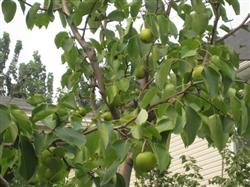
How should the first hurdle of pear tree management be handled well?
Rationally distributing the tree's stored nutrients and reducing useless consumption is one of the important techniques for promoting normal tree growth and producing high-quality fruit. The period from flowering to fruit set is an important time that determines the number of fruits set on the pear tree that year, the development of young fruit, and whether the leaf area that creates the material conditions for later fruit development can form early. During this period...
-
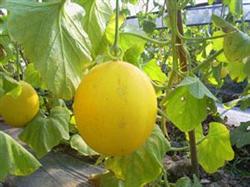
First-Time Melon Growing Experience Exchange: Growing Tips and Insights Shared
In 2009, the price of Elizabeth melons was surprisingly good. Greenhouse-grown melons that hit the market early sold for 5 yuan per jin; the first crop from arched sheds sold for close to 3 yuan per jin, and even the price of the second crop was similar to the first-crop price of previous years, at around 1.5 yuan per jin. As a result, many vegetable growers started planting Elizabeth melons this spring...
条件筛选