-
What to Do When Your Fiddle-Leaf Fig Gets Leaf Spot Disease? A Detailed Guide to Prevention and Treatment
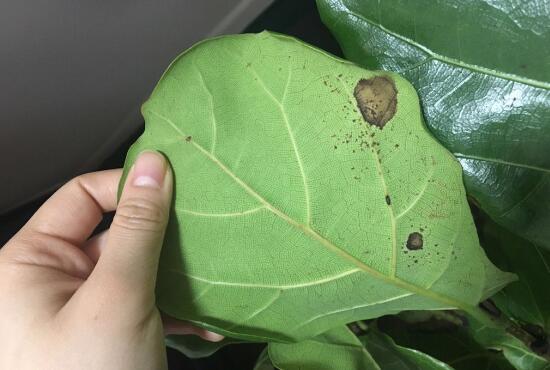
Short-term temperature fluctuations and excessive watering during the dormant period can both cause leaf spot disease; in severe cases, the diseased leaves should be removed. Prevention and treatment methods: promptly remove diseased tissue and burn it in a centralized manner; practice crop rotation, or replace the soil indoors; avoid spraying water over the plant; begin spraying from the early stage of the disease to prevent it from spreading and worsening
-
What to Do When Your Fiddle-Leaf Fig Drops Leaves? Get Light, Water, and Fertilizer Management Right, Plus Pest and Disease Spraying
The fiddle-leaf fig, named for its cello-shaped leaves, is an evergreen foliage plant that is deeply loved by plant enthusiasts. But during cultivation, many people run into the situation of fiddle-leaf figs dropping leaves, which is heartbreaking. So what should you do when a fiddle-leaf fig drops leaves? For this, the editor has summarized several causes.
-
Why Fiddle-Leaf Fig Leaves Turn Yellow and How to Fix It: Light Is Key
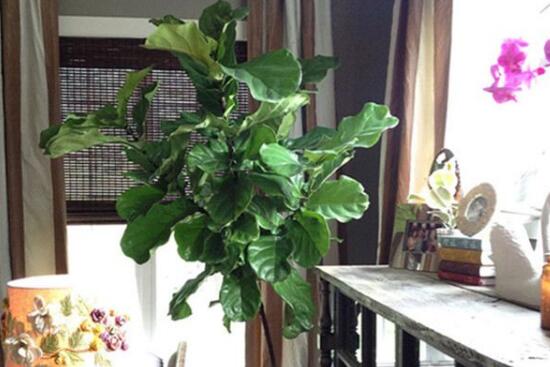
You have probably seen the fiddle-leaf fig. With its broad leaves and graceful shape, it is one of the most popular indoor potted plants today. As a foliage plant, its biggest fear is naturally problems with its leaves, especially yellowing, which is a headache just to look at. So what should you do when fiddle-leaf fig leaves turn yellow?
-
How to grow a fiddle-leaf fig so it becomes tall and large? Plenty of water, ample light and a suitable temperature are key
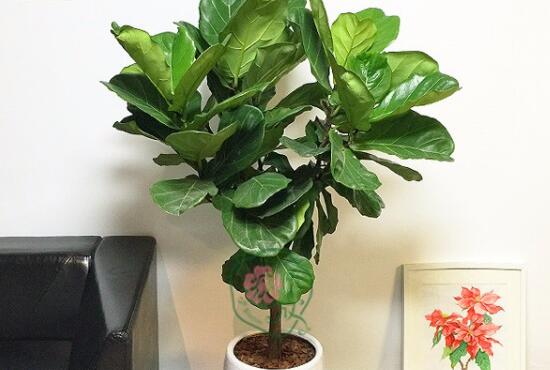
As a common foliage plant, the fiddle-leaf fig (Ficus lyrata) is not difficult to grow, and any flower lover with a little experience can grow it well. But although "keeping it alive" and "growing it well" differ by only one word, the difference is enormous. The fiddle-leaf fig is prized for its large leaves, so how do you grow it so it becomes tall and large?
-
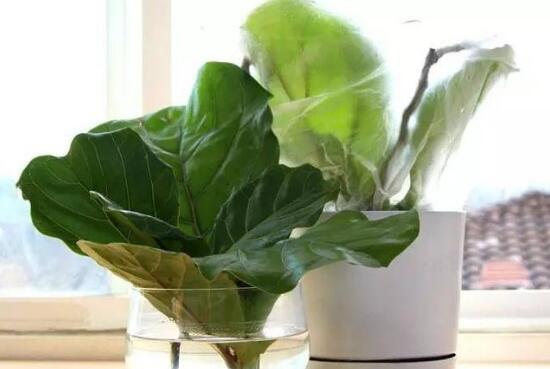
Can Fiddle-Leaf Fig Be Grown in Water? Hydroponic Growing Methods and Leaf-Cutting Water Propagation Tips
As a common foliage plant, the fiddle-leaf fig (Ficus lyrata) has many benefits: it is not only attractive and able to purify the air, but can also be used medicinally to treat illness. Such a plant is naturally kept in many homes, and compared with growing it in soil, many plant lovers prefer growing it in water. So can the fiddle-leaf fig be grown in water? If it can
-
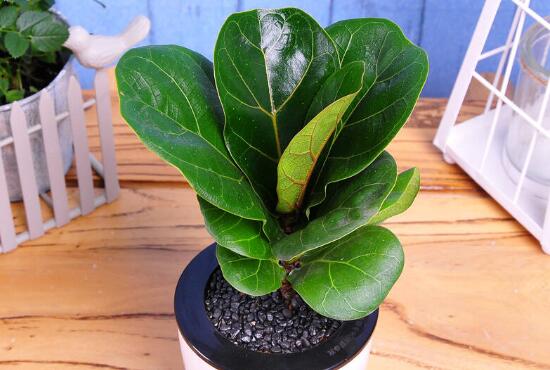
How to fertilize a fiddle-leaf fig? Just fertilize once every 10 days during the growing season
As a beautiful foliage plant, the fiddle-leaf fig has very large leaves and stays evergreen all year round. To maintain the beauty of its leaves, adequate nutrients are crucial, so in the process of growing a fiddle-leaf fig, fertilizing is a very key step. So how do you fertilize a fiddle-leaf fig? How often should you fertilize a fiddle-leaf fig?
-
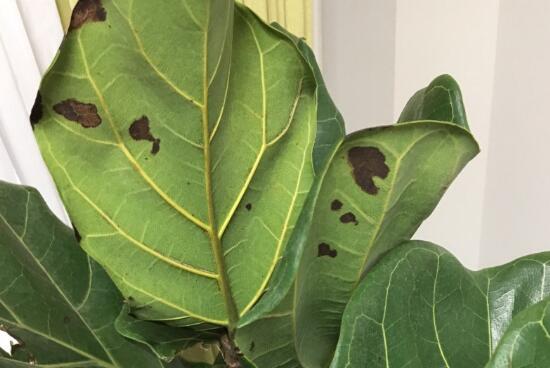
What to Do When Fiddle-Leaf Fig Leaves Develop Rust Spots? Causes and Notes on Watering and Temperature
The fiddle-leaf fig (Ficus lyrata), a beautiful foliage plant, has large, shapely leaves that look like a cello, and it stays green all year round, making it deeply loved by plant enthusiasts. But during cultivation, many growers find that their fiddle-leaf fig leaves develop rust spots, which seriously affects the plant's ornamental value, and they are eager to know what to do when fiddle-leaf fig develops rust spots
-
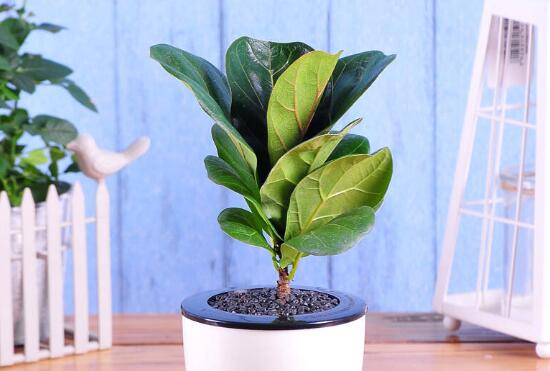
How to grow a fiddle-leaf fig? Care methods and precautions: it loves light but hates strong light
The fiddle-leaf fig is an ideal indoor potted plant. Its leaves are large and attractive, and growing it indoors can even improve home feng shui, so it is deeply loved by plant enthusiasts. In daily life, once people discover the benefits of the fiddle-leaf fig, many want to grow it, so how do you grow a fiddle-leaf fig?
-
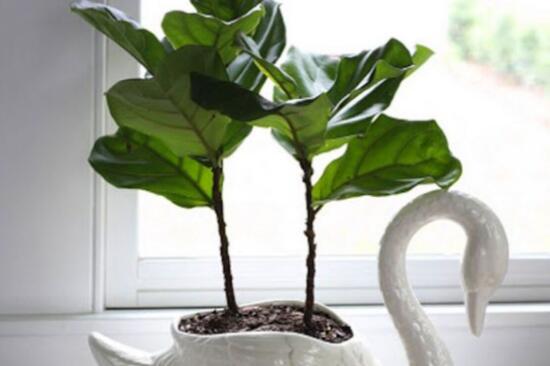
How to propagate a fiddle-leaf fig? A detailed guide to two propagation methods: cuttings and air layering
As a common foliage plant, the fiddle-leaf fig has many benefits: it not only looks good and purifies the air, but also has a positive feng shui effect and is even used in medicine. With a plant like this, it is natural that many plant lovers want to grow it, but rather than buying one to grow, it is better to propagate and plant it yourself
-
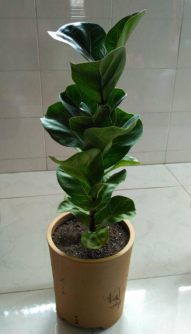
A detailed guide to fiddle-leaf fig propagation methods, teaching you how to easily propagate new plants
1. Cutting the cuttings. When propagating fiddle-leaf fig by cuttings, it is best to choose one- to two-year-old branches, cut them off 20 to 30 cm above the soil surface in the pot, then cut the removed branches into sections of three or four nodes as cuttings. Each cutting should keep one leaf, and about two-thirds of the leaf should be cut off, which can reduce water evaporation.
条件筛选