Why Fiddle-Leaf Fig Leaves Turn Yellow and How to Fix It: Light Is Key
You have probably seen the fiddle-leaf fig. With its broad leaves and graceful shape, it is one of the most popular indoor potted plants today. As a foliage plant, its biggest fear is naturally problems with its leaves, especially yellowing, which is a headache just to look at. So what should you do when fiddle-leaf fig leaves turn yellow? Here are several causes of yellowing fiddle-leaf fig leaves; let's take a look!
1. When Fiddle-Leaf Fig Leaves Turn Yellow, Find the Cause
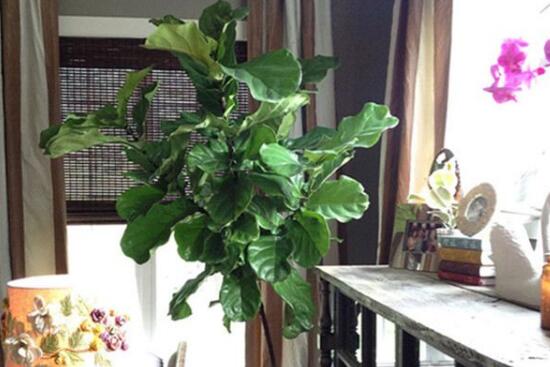
As a common foliage plant, the fiddle-leaf fig is not difficult to grow, but because there are many beginners who often fail to get light and fertilizing right, the leaves end up turning yellow. As for what to do when fiddle-leaf fig leaves turn yellow, first of all you should not panic; instead, calmly find the cause and then address it specifically. Let's continue reading for the details.
2. Causes of Yellowing Fiddle-Leaf Fig Leaves and Solutions
1. Sudden environmental change
When it comes to the causes of yellowing fiddle-leaf fig leaves, if it is a newly purchased potted plant, it is likely due to a big change in environment, and the plant has not adapted for the moment, resulting in yellow leaves. In addition, if the pot has been moved around frequently recently, or was just repotted, or if it is placed next to an air conditioner blowing hot or cold air, the fiddle-leaf fig may also develop yellow leaves.
Solution: Place the fiddle-leaf fig pot in a semi-shaded spot with good ventilation and light, and care for it carefully for a period of time; it will recover its health.
2. Improper light
Insufficient light: The fiddle-leaf fig likes light and grows well in an environment with sufficient light. But if it is kept in a low-light place for a long time, its leaves photosynthesize less, nutrients are lacking, and yellowing is inevitable. Solution: Simply place it in a spot with good but not intense light for care.
Too much light: In a well-lit place, fiddle-leaf fig leaves grow large and green, but in summer, if there is no shade and it is exposed to direct strong light, its leaves will also turn yellow and wither. Solution: Move it promptly to a cool indoor spot, water it moderately after it settles for a while, then gradually increase the light.
3. Improper fertilizing
Insufficient fertilizing: The fiddle-leaf fig likes fertilizer, and sufficient nutrients can make its leaves large and green. So when fertilizing is insufficient, especially when the amount of nitrogen fertilizer is too low, the fiddle-leaf fig will turn yellow due to poor growth. Solution: You can add nitrogen fertilizer, but do not apply too much at once; apply dilute fertilizer.
Too much fertilizing: Although the fiddle-leaf fig's large leaves demand a lot of fertilizer, too much is not acceptable. Once too much fertilizer is applied, it easily causes root burn, and the leaves will turn yellow and wither. Solution: If root burn is not serious, flush with water to dilute the fertilizer and let it flow out along the bottom of the pot; if the roots have already rotted, you need to take it out of the pot, cut off the rotten roots, then replace the potting soil and replant.
4. Soil alkalization
The cause of yellowing fiddle-leaf fig leaves may also be the soil. It is understood that the fiddle-leaf fig likes slightly acidic soil. When it is in alkaline soil, or when long-term watering with tap water causes the soil to become alkaline, its leaves will turn yellow.
Solution: Use purified water for daily watering, or let tap water sit for a few days or sun it for a few days; this avoids the problem of soil alkalization. If the soil has already become alkaline, the simplest way is to change the potting soil so the plant can start fresh.
5. Pests and diseases
In addition to the above points, the cause of yellowing fiddle-leaf fig leaves may also be that it has become diseased or infested with insects. In daily care, if the environment is not ventilated, the temperature is too high, and care is improper, the fiddle-leaf fig will fall victim to pests and diseases, causing the leaves to turn yellow.
Solution: Move the pot to a ventilated place, identify exactly which pest or disease it is, then spray accordingly. As for what to spray, you can refer to fiddle-leaf fig pest and disease control.
Overall, the fiddle-leaf fig is still quite easy to grow, but if you want its leaves to stay green and not turn yellow, you must pay attention to light, water and fertilizer. Of course, do not panic when you find yellow leaves; just solve it according to the methods above. That is all for this introduction to yellowing fiddle-leaf fig leaves, and I hope it helps everyone.
What to Do When Fiddle-Leaf Fig Develops Rust Spots: Causes of Rust Spots on Fiddle-Leaf Fig Leaves / Watch Water and Temperature
The fiddle-leaf fig is a beautiful foliage plant. Its leaves are large and distinctive, looking like a cello, and it stays green all year round, making it deeply loved by flower enthusiasts. But during cultivation, many enthusiasts find rust spots on their fiddle-leaf fig leaves, which seriously affects the plant's ornamental value. They very much want to know what to do when a fiddle-leaf fig develops rust spots. So let me clear up the confusion for everyone.
1. Rust Spots on Fiddle-Leaf Fig Leaves
As a common foliage plant, the fiddle-leaf fig can be said to be very easy to grow; with just a little attention to light, water and fertilizer, it will grow beautifully. But being easy to grow does not mean it can be grown carelessly. With the slightest oversight, the fiddle-leaf fig will also develop various problems, and they all show up on the leaves, such as yellowing fiddle-leaf fig leaves, fiddle-leaf fig leaf drop, and rust spots on fiddle-leaf fig leaves.
Everyone is familiar with yellow leaves and leaf drop, so what exactly are rust spots on fiddle-leaf fig leaves? For this, you need to observe carefully. At first, the rust spot is a red patch the size of a fingernail, and gradually these small spots grow more and more numerous, finally merging into one patch that turns the entire leaf brown. The leaf also loses all its moisture and becomes curled.
2. Causes of Rust Spots on Fiddle-Leaf Fig: High Temperature and High Humidity
Now that you know what rust spots on fiddle-leaf fig leaves look like, let me analyze the causes for everyone. The fiddle-leaf fig likes a warm, humid environment, but if the temperature is too high and watering is excessive, the fiddle-leaf fig will show symptoms of rust spots. This situation often occurs in the Guangzhou area, with March to June and October to November being the peak periods; everyone should prevent and control it promptly.
Prevention of Rust Spots on Fiddle-Leaf Fig Leaves
To prevent rust spots from appearing on the fiddle-leaf fig, everyone should start making some preparations in March and October. Specifically, this can be divided into the following two points:
1. Wipe the leaves: The simplest way to prevent rust spots on fiddle-leaf fig leaves is to wipe the leaves. In daily care, every few days you should wipe the fiddle-leaf fig leaves clean.
2. Change the soil: Every spring, you should change the potting soil for the fiddle-leaf fig once, replacing it with soil that has better drainage and air permeability.
3. Ventilation and light: If you want rust spots not to appear on the fiddle-leaf fig, the most important thing is still the environment. You should keep the fiddle-leaf fig in a ventilated environment at all times and give it sufficient but not intense light.
3. What to Do When Fiddle-Leaf Fig Develops Rust Spots: Cut the Leaves
If no prevention was done, then what should you do when the fiddle-leaf fig develops rust spots? For this, first observe the condition of the leaves. If it is not serious, you only need to spray with medication (sold at flower shops). If the erosion of the leaves is relatively serious, it is recommended to cut the leaves off directly. But if the whole plant is affected by this disease, you should first cut off the affected parts, then change the potting soil and replant.
Overall, the fiddle-leaf fig is a beautiful foliage plant, and if it develops rust spots it will seriously affect its ornamental value. So, for the sake of the fiddle-leaf fig's beauty, everyone should prevent it promptly. Of course, even if the fiddle-leaf fig leaves do get rust spots, it is not a big deal; just treat it promptly and solve it as described above. That is all for this introduction to rust spots on the fiddle-leaf fig, and I hope it helps everyone.
What to Do When Fiddle-Leaf Fig Drops Leaves: Supplement Light / Reasonable Water and Fertilizer / Spray with Pesticides for Pests and Diseases
The fiddle-leaf fig, named for its leaf shape resembling a cello, is an evergreen foliage plant that is deeply loved by flower enthusiasts. But during cultivation, many people encounter the fiddle-leaf fig dropping its leaves, which is heartbreaking. So what should you do when the fiddle-leaf fig drops leaves? For this, I have summarized several causes; let's take a look!
1. When Fiddle-Leaf Fig Drops Leaves, Find the Cause
As a beautiful foliage plant, the fiddle-leaf fig can be said to be very easy to grow, but unfortunately there are many beginners, and they often grow the fiddle-leaf fig until it drops leaves. At this time, flower enthusiasts must be very anxious! So what should you do when the fiddle-leaf fig drops leaves? For this, I have summarized 5 causes and attached remedial methods; let's continue reading for the details.
2. Why Fiddle-Leaf Fig Drops Leaves and How to Save It
1. Too much light
The fiddle-leaf fig likes light by nature, and during growth, sufficient light can make it grow more luxuriant and green. However, under the strong summer sun, you must shade it properly; otherwise, after direct exposure to strong light, fiddle-leaf fig leaves will turn yellow, or even drop.
Remedy: If the fiddle-leaf fig leaves have been sunburned off, enthusiasts should promptly move the fiddle-leaf fig to a semi-shaded indoor spot, pay attention to ventilation, and after it recovers, water it moderately. With careful care for a period of time, the plant will recover its health.
2. Improper watering
Too little watering: The fiddle-leaf fig likes a humid environment, and during the growing season it needs sufficient water. If it is not watered for a long time, or the water never penetrates thoroughly, the fiddle-leaf fig leaves will become dull and lusterless because they cannot absorb water, and will drop at the slightest touch. Remedy: Water lightly and mist the leaves (do not add too much at once), and after the fiddle-leaf fig leaves stop dropping, return to normal watering.
Too much watering: Although the fiddle-leaf fig likes water, we cannot water too much at once; otherwise it will cause water accumulation in the pot, ultimately leading to root rot, which affects the plant's water and nutrient absorption, and the leaves easily drop. Remedy: Stop watering, and loosen the soil frequently to make the soil well aerated, then slowly return to normal watering.
3. Insufficient fertilizing
The fiddle-leaf fig likes fertilizer, and sufficient nutrients can make it grow quickly, but if fertilizing is insufficient, its leaves will drop due to lack of nutrients.
Remedy: Supplement fertilizer promptly, and water moderately to dilute the fertilizer in the pot. For usual fertilizing, it is best to apply thin fertilizer frequently, and the concentration should not be too high.
4. Pests and diseases
When it comes to why the fiddle-leaf fig drops leaves, it is actually also related to pests and diseases. It is understood that in a poorly ventilated, dry environment, the fiddle-leaf fig will develop scale insects and red spider mites. They are small in size but cause serious damage, often causing yellow leaves or even leaf drop.
Remedy: Wash the insects off with water, and spray the relevant insecticide. As for what to spray, you can refer to fiddle-leaf fig pest and disease control.
5. Normal phenomenon
When it comes to why the fiddle-leaf fig drops leaves, besides the above points, you should also consider whether it is a normal phenomenon. It is understood that a newly purchased fiddle-leaf fig easily drops leaves, and this is actually a very common thing, because although the fiddle-leaf fig has strong adaptability, it also needs a process of adapting to a new environment, and during this period it usually drops leaves.
Remedy: When encountering this situation, enthusiasts do not need to worry, because this kind of leaf drop is normal. For this, you only need to place the pot in a spot with diffused light for care, and after the plant slowly recovers, water and fertilize normally, and it will gradually recover.
Regarding the remedies for fiddle-leaf fig leaf drop, after reading the all-round analysis of the 5 aspects above, everyone should know what to do! In fact, fiddle-leaf fig leaf drop is caused by one reason, but is often the result of multiple factors, so when encountering this situation, you must make a correct diagnosis, so you can treat the root cause accordingly.