-
-
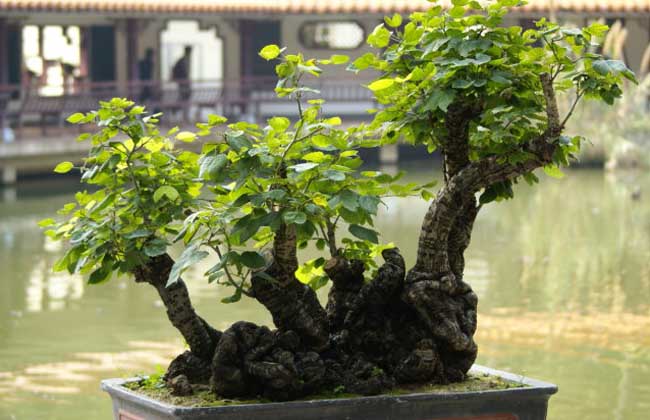
How to Grow and Care for the Ginseng Ficus
Temperature: The ginseng ficus has the same requirements for light, heat, water and fertilizer as the common small-leaved ficus. It likes a warm, humid environment with plenty of sunlight, is not cold-tolerant, and tolerates partial shade. The optimum growing temperature is 20°C to 30°C, and in winter the greenhouse temperature should be kept no lower than 5°C. Soil: River sand or sandy soil is best for cultivation.
-
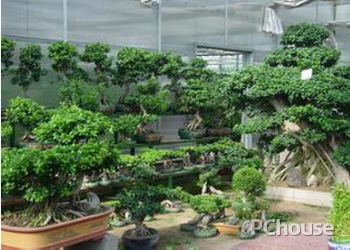
How to Grow and Care for the Ginseng Ficus
Temperature: The ginseng ficus (Ficus microcarpa) has the same requirements for light, heat, water and fertilizer as the common small-leaved ficus. It likes a warm, humid environment with plenty of sunlight, is not cold-tolerant, tolerates partial shade, and its optimum growing temperature is 20°C to 30°C. In winter, the greenhouse temperature should be kept no lower than 5°C. Soil: River sand or sandy soil is best for cultivation.
-
Detailed Guide to the Cultivation Methods and Precautions for Ficus microcarpa
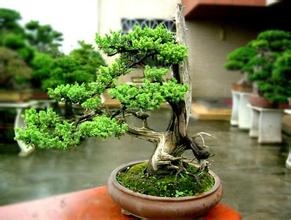
In the editor's impression, the ficus tree is a plant that grows in tropical regions. Ficus bonsai refers to using the ficus tree as material, with the goal of appreciating the peculiar forms of its trunk, roots, stems and leaves, through pruning, branch training, wiring and hanging, and grafting, carefully cultivated with long-term control of its growth and development
-
What to Do When a Ginseng Ficus Drops Its Leaves? Detailed Guide to Care Methods and Precautions
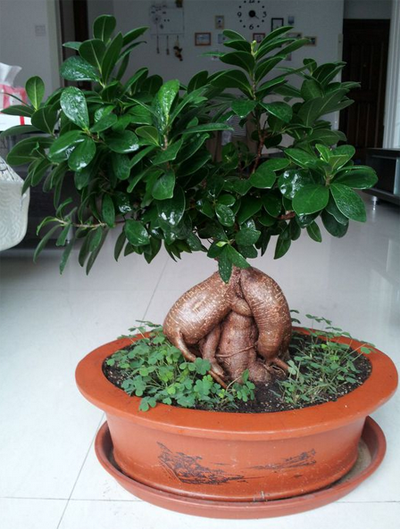
Some people's ginseng ficus grows very luxuriantly and looks beautiful. The base of the ginseng ficus looks just like a human figure, which is why it got the name "ginseng ficus." What are the care methods and precautions for ginseng ficus? And what should you do if it drops leaves during cultivation?
-
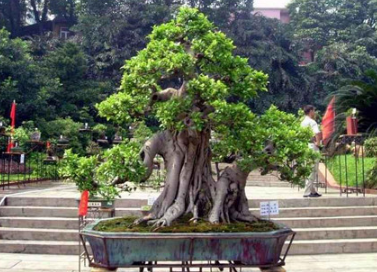
Ficus Bonsai Four-Season Care Tips and Feng Shui Effects Explained in Detail
The ficus tree is a symbol of pure love, recording the emotional journey of the human world. The ficus is regarded as a symbol of longevity and good fortune. It implies glory and prosperity, making it the best gift for birthday celebrations! If you want to give a gift to an elder, a ficus bonsai is a great choice, so come quickly and learn about ficus care tips.
-
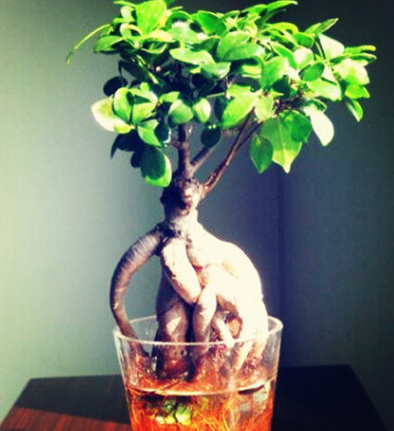
What are the correct methods for propagating a banyan tree (Ficus) in water?
In subtropical regions such as South China and Southwest China, people often use banyan trees to beautify their courtyards, and the aerial roots hanging down from the canopy create a tropical rainforest atmosphere. Banyan trees can be large or small, and small stump bonsai can decorate the home. How to correctly water-cultivate a banyan tree: preparation for water cultivation of banyan trees, preparing materials
-
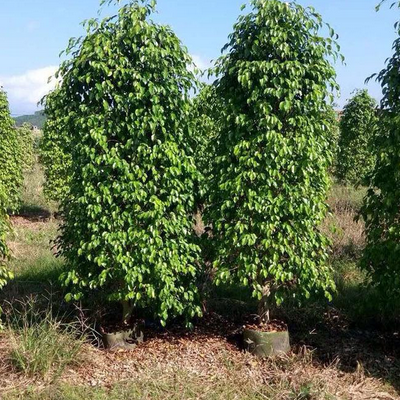
Weeping Fig (Ficus benjamina) Cultivation Methods and Differences from the Small-leaf Fig
Weeping fig, this plant is generally a foliage plant, and many people absolutely love it. What are the cultivation methods for weeping fig? What are the differences between weeping fig and small-leaf fig: Weeping fig cultivation methods: 1. Light and temperature: When cultivating weeping fig, generally place it in a bright spot
-

Wuzhimaotao (hairy fig, Ficus hirta) is a commonly used health food.
Wuzhimaotao, commonly known as wild loquat, tubeiqi, five-claw dragon and so on, is a small shrub or small tree. It grows 2-8 m tall, has milky sap, and its root bark is fragrant; the stems, leaves and fruits are all covered with stiff hairs, and the leaves are lobed like a hand. It mostly grows on open hillsides, in valleys, beside water or in thickets. The main part used is the root, and it is a plant with fairly good medicinal value. Its nature and flavour are pungent, sweet and neutral, and it has the effects of tonifying qi and replenishing deficiency, moving qi and relieving depression, strengthening the sinews and activating the collaterals, fortifying the spleen and resolving dampness, and relieving cough and transforming phlegm. It has now been developed into a green food for health-preserving dietary therapy, and has been made into
-
What are the main pests and diseases of bonsai ficus trees?
1. Sooty mold. Sooty mold mostly occurs under high temperature and high humidity conditions, accompanied by aphids and scale insects. Control measures are: (1) create conditions of ventilation and light penetration for the plant; (2) reduce air humidity; (3) scrub the diseased spots with a brush dipped in water; (4) promptly eliminate aphids and scale insects; (5) spray for protection. From June to August, spray once every 10 to 14 days with 120-160 times equal-amount Bordeaux mixture, or 70% thiophanate-methyl 700-800 times solution, or 50% carbendazim wettable powder 500-80
条件筛选