How to Grow and Care for the Ginseng Ficus
Temperature: The ginseng ficus (Ficus microcarpa) has the same requirements for light, heat, water and fertilizer as the common small-leaved ficus. It likes a warm, humid environment with plenty of sunlight, is not cold-tolerant, tolerates partial shade, and its optimum growing temperature is 20°C to 30°C. In winter, the greenhouse temperature should be kept no lower than 5°C.
Soil: River sand or sandy soil is best for cultivation. To make the ginseng ficus roots large and plump, add a little fertilizer, and you may use a fertilizer with a higher proportion of phosphorus and potassium. When cultivating the ginseng ficus, be sure to propagate it from seed so that it can develop fat roots.
Repotting: A ginseng ficus bonsai can be repotted once every 2 years, and the best time is before it is moved outdoors in spring. First loosen the soil around the pot, then gently take out the plant with its large tuberous roots, shake off part of the old soil, cut away some of the lifeless, aged roots, and replant it in fresh, fertile, loose, well-draining, nutrient-rich potting soil. As the plant grows, you can move it to a slightly larger pot to meet its normal growth needs. While repotting, trim and adjust the branches and leaves moderately so that it can continue to maintain a good shape. Just after repotting, do not water too much; once the temperature rises above 20°C, resume normal watering and fertilizing.
Potting soil for ginseng ficus bonsai: The ficus is vigorous and not picky about soil. If conditions allow, use sandy soil mixed with coal cinders. If not, ordinary flower soil will also do. You can also use coconut coir as a growing medium for finished plants. The growing soil should be loose, fertile, well-draining, rich in organic matter, and an acidic sandy loam; alkaline soil can easily cause yellowing leaves and poor growth.
Watering: Watering the roots of a ginseng ficus bonsai. When the root medium (coconut coir or soil) is nearly dry, water thoroughly in one go. Then wait until it dries again before watering. Generally, watering once every three to five days is enough. In summer, water more frequently, depending on the situation. Watering the leaves of a ginseng ficus bonsai. The leaves can be sprayed frequently with a small amount of water (in a mist). During the growing period, the water supply should be ample; it should be kept moist rather than dry, and the potting soil should always remain moist. During the period when it is pushing out branches and leaves, watering should be controlled appropriately, or you can spray more and water less, which can help produce shorter internodes and thicker leaves; at the same time, give it plenty of light so that the leaves are thick and glossy.
Fertilizing: Fertilizer management for ginseng ficus bonsai. The ficus does not like heavy fertilizer, and a small amount of compound fertilizer (slow-release fertilizer) can be applied once each season. The main nutrients are nitrogen, phosphorus and potassium. Apply fertilizer 3 to 4 times a year, and do not overdo it, otherwise it can easily cause excessive spindly growth of branches and leaves and ruin the plant's composition and shape.
Pest and disease control: Its leaves are often susceptible to leaf spot disease, which can be sprayed with a 70% thiophanate-methyl wettable powder solution diluted 800 times. A small number of diseased leaves can also be removed and destroyed early to prevent the disease from spreading and causing damage.
Light: Note that during the growing period the potting soil should not be too wet, and even more importantly, there should not be insufficient light, otherwise it will cause heavy leaf drop and affect its display value.
How to Grow the Ginseng Ficus
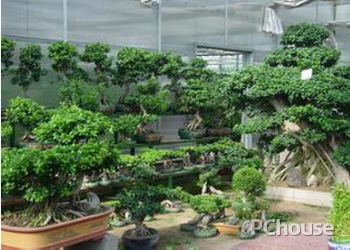 Ginseng
Temperature: The ginseng ficus (Ficus microcarpa) has the same requirements for light, heat, water and fertilizer as the common small-leaved ficus. It likes a warm humid environment with plenty of sunlight, is not cold-tolerant, tolerates partial shade, and its optimum growing temperature is 2 0°C to 30°C. In winter, the greenhouse temperature should be kept no lower than 5°C.
Soil: River sand or sandy soil is best for cultivation. To make the ginseng ficus roots large and plump, add a little fertilizer, and you may use a fertilizer with a higher proportion of phosphorus and potassium. When cultivating the ginseng ficus, be sure to propagate it from seed so that it can develop fat roots.
Repotting: A ginseng ficus bonsai can be repotted once every 2 years, and the best time is before it is moved outdoors in spring. First loosen the soil around the pot, then gently take out the plant with its large tuberous roots, shake off part of the old soil, cut away some of the lifeless aged roots, and replant it in fresh, fertile, loose, well-draining, nutrient-rich potting soil. As the plant grows, you can move it to a slightly larger pot to meet its normal growth needs. While repotting, trim and adjust the branches and leaves moderately so that it can continue to maintain a good shape. Just after repotting, do not water too much; once the temperature rises above 20°C, resume normal watering and fertilizing.
Potting soil for ginseng ficus bonsai: The ficus is vigorous and not picky about soil. If conditions allow, use sandy soil mixed with coal cinders. If not, ordinary flower soil will also do. You can also use coconut coir as a growing medium for finished plants. The growing soil should be loose, fertile, well-draining, rich in organic matter and acidic sandy loam; alkaline soil can easily cause yellowing leaves and poor growth.
Watering: Watering the roots of a ginseng ficus bonsai. When the root medium (coconut coir or soil) is nearly dry, water thoroughly in one go. Then wait until it dries again before watering. Generally, watering once every three to five days is enough. In summer, water more frequently, depending on the situation. Watering the leaves of a ginseng ficus bonsai. The leaves can be sprayed frequently with a small amount of water (in a mist). During the growing period, the water supply should be ample; it should be kept moist rather than dry, and the potting soil should always remain moist. During the period when it is pushing out branches and leaves, watering should be controlled appropriately, or you can spray more and water less, which can help produce shorter internodes and thicker leaves; at the same time, give it plenty of light so that the leaves are thick and glossy.
Fertilizing: Fertilizer management for ginseng ficus bonsai. The ficus does not like heavy fertilizer, and a small amount of compound fertilizer (slow-release fertilizer) can be applied once each season. The main nutrients are nitrogen, phosphorus and potassium. Apply fertilizer 3 to 4 times a year, and do not overdo it, otherwise it can easily cause excessive spindly growth of branches and leaves and ruin the plant's composition and shape.
Pest and disease control: Its leaves are often susceptible to leaf spot disease, which can be sprayed with a 70% thiophanate-methyl wettable powder solution diluted 800 times. A small number of diseased leaves can also be removed and destroyed early to prevent the disease from spreading and causing damage.
Light: Note that during the growing period the potting soil should not be too wet, and even more importantly, there should not be insufficient light, otherwise it will cause heavy leaf drop and affect its display value.
The Role of the Ginseng Ficus in the Home and How to Grow It
The ginseng ficus is a shrub or small tree of the mulberry family (Moraceae), with roots like ginseng; it belongs to the small ficus group and is grown as a ficus stump bonsai. Because the shape of the trunk closely resembles a watching human figure, it is named "ginseng ficus." It is also called ficus melon or sweet potato ficus. It has a well-developed root system, and the roots often swell and protrude above the ground. Because its root tubers have a unique shape, consumers are especially fond of it. In China it is distributed in Guangxi, Guangdong, Hainan, Fujian, Yunnan and Guizhou.
The roots of the ginseng ficus resemble ginseng; its form is natural, its root plate is exposed, its crown is lush and elegant, and its charm is unique. Its posture and shape are a delight to observe, bringing endless amusement and joy, and it is deeply loved by consumers around the world. In the Netherlands it has been named "Chinaroots" (Chinese root). It is a flowering plant variety with a Chinese brand that is going global, and it is a beautiful scenic feature for decoration indoors and outdoors. We have summarized some of the roles and growing methods of the ginseng ficus; follow along and take a look below.
The Role of the Ginseng Ficus in Matching Home Decor Styles
In the world of bonsai, the ficus bonsai possesses almost all the advantages of bonsai, and in turn stands out uniquely for its amazing aerial roots, long tree age, fast growth and strong shaping ability. The ginseng ficus is known for being simple and winding, vigorous and lofty, graceful and fragrant, and free and elegant. In a garden you can see a thousand scenes, as if wandering through a painting; it is a refined work of art.
In a large living room, placing a ginseng ficus with spreading branches and an elegant posture makes the room appear bright and full of natural atmosphere. The living room arrangement should strive to be elegant and simple, beautiful and generous, making people feel abundant and complete and warmly welcoming guests. Therefore, choose dignified and elegant foliage plants; place a large or medium potted plant such as the ginseng ficus in the corner, or set it on a flower stand, and it can create an evergreen effect throughout the four seasons. Living rooms have a lot of foot traffic and more dust, so placing a pot of ginseng ficus in the living room can not only absorb indoor bacteria and small insects but also absorb dust from the air, creating a good living environment for the residents.
Green plants bring vitality to the home. Even a small ginseng ficus, though silent, can exert its natural magic with every leaf and flower, delighting everyone's mood! If you place some relatively tall, slender, fine-leaved plants such as the ginseng ficus in a minimalist-style interior, this plant will add a great deal of artistic flavor to your room. For the overall arrangement of a home, it is a link well worth investing in.
The Feng Shui Role of the Ginseng Ficus
The ginseng ficus is an evergreen tree and a ficus stump bonsai. Because the ficus has a well-developed root system, its roots often swell and protrude above the ground. Because its root tubers have a unique shape, consumers are especially fond of it. In China it is distributed in Guangxi, Guangdong, Hainan, Fujian, Yunnan and Guizhou.
The roots of the ginseng ficus resemble ginseng; its form is natural, its root plate is exposed, its crown is lush and elegant, and its charm is unique. Its posture and shape are a delight to observe, bringing endless amusement and joy, and it is deeply loved by consumers around the world. In the Netherlands it has been named "Chinaroots" (Chinese root). It is a flowering plant variety with a Chinese brand that is going global, and it is a beautiful scenic feature for decoration indoors and outdoors!
Fortune-enhancing analysis:
1. Uses for enhancing fortune: peace and warding off evil, wealth and attracting money, festive holidays, promotion and examinations, harmony and completeness, birthdays and longevity wishes.
2. Suitable places: residences, clubs, hotels, office buildings, restaurants.
3. Fortune-enhancing directions: due east, northeast, southeast.
The Role of the Ginseng Ficus in the Home
In home applications, the ginseng ficus can beautify the environment and is very popular among gardening enthusiasts. It can be placed in courtyards, halls, on balconies and along corridors for viewing at any time, and it can be moved at any time. It is the most sought-after collectible for ficus bonsai lovers and collectors, as well as for high-end hotels and museums. The ginseng ficus is also regarded as a symbol of longevity and good fortune, implying glory and wealth. Therefore, it is the best gift for birthday congratulations.
The Medicinal Effects of the Ginseng Ficus
In medicinal use, it is often used to treat many diseases, and the medicinal parts include the root, bark, leaves and tree sap. Its important properties are slightly bitter, astringent and cool. Its main effects are clearing heat, relieving the exterior, inducing sweating, promoting eruption and resolving dampness. It is used for influenza, malaria, bronchitis, acute enteritis, whooping cough, tonsillitis, rheumatic bone pain and bruises.
How to Grow the Ginseng Ficus
Temperature: The ginseng ficus (Ficus microcarpa) has the same requirements for light, heat, water and fertilizer as the common small-leaved ficus. It likes a warm, humid environment with plenty of sunlight, is not cold-tolerant, tolerates partial shade, and its optimum growing temperature is 20°C to 30°C. In winter, the greenhouse temperature should be kept no lower than 5°C.
Soil: River sand or sandy soil is best for cultivation. To make the ginseng ficus roots large and plump, add a little fertilizer, and you may use a fertilizer with a higher proportion of phosphorus and potassium. When cultivating the ginseng ficus, be sure to propagate it from seed so that it can develop fat roots.
Repotting: A ginseng ficus bonsai can be repotted once every 2 years, and the best time is before it is moved outdoors in spring. First loosen the soil around the pot, then gently take out the plant with its large tuberous roots, shake off part of the old soil, cut away some of the lifeless aged roots, and replant it in fresh, fertile, loose, well-draining, nutrient-rich potting soil. As the plant grows, you can move it to a slightly larger pot to meet its normal growth needs. While repotting, trim and adjust the branches and leaves moderately so that it can continue to maintain a good shape. Just after repotting, do not water too much; once the temperature rises above 20°C, resume normal watering and fertilizing.
Potting soil for ginseng ficus bonsai: The ficus is vigorous and not picky about soil. If conditions allow, use sandy soil mixed with coal cinders. If not, ordinary flower soil will also do. You can also use coconut coir as a growing medium for finished plants. The growing soil should be loose, fertile, well-draining, rich in organic matter and acidic sandy loam; alkaline soil can easily cause yellowing leaves and poor growth.
Watering: Watering the roots of a ginseng ficus bonsai. When the root medium (coconut coir or soil) is nearly dry, water thoroughly in one go. Then wait until it dries again before watering. Generally, watering once every three to five days is enough. In summer, water more frequently, depending on the situation. Watering the leaves of a ginseng ficus bonsai. The leaves can be sprayed frequently with a small amount of water (in a mist). During the growing period, the water supply should be ample; it should be kept moist rather than dry, and the potting soil should always remain moist. During the period when it is pushing out branches and leaves, watering should be controlled appropriately, or you can spray more and water less, which can help produce shorter internodes and thicker leaves; at the same time, give it plenty of light so that the leaves are thick and glossy.
Fertilizing: Fertilizer management for ginseng ficus bonsai. The ficus does not like heavy fertilizer, and a small amount of compound fertilizer (slow-release fertilizer) can be applied once each season. The main nutrients are nitrogen, phosphorus and potassium. Apply fertilizer 3 to 4 times a year, and do not overdo it, otherwise it can easily cause excessive spindly growth of branches and leaves and ruin the plant's composition and shape.
Pest and disease control: Its leaves are often susceptible to leaf spot disease, which can be sprayed with a 70% thiophanate-methyl wettable powder solution diluted 800 times. A small number of diseased leaves can also be removed and destroyed early to prevent the disease from spreading and causing damage.
Light: Note that during the growing period the potting soil should not be too wet, and even more importantly, there should not be insufficient light, otherwise it will cause heavy leaf drop and affect its display value.
The above is an introduction to the roles and growing methods of the ginseng ficus. For more home plants, please stay tuned.