-
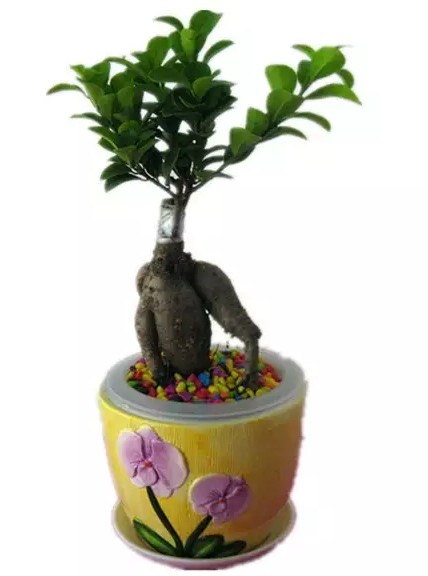
A Detailed Guide to Pruning and Shaping the Ginseng Ficus Bonsai
When shaping a ginseng ficus bonsai, the main effort should go into raising the roots so that they form a suspended, claw-like display. Of course, the branches, trunk and leaves cannot be neglected either, since they are an inseparable whole of a single tree. The branches and leaves are usually shaped in a clearly layered, naturalistic style. Ficus branches are soft and flexible, so the wiring time is longer than for most trees
-

How to Water a Bonsai Ficus? A Detailed Guide to Practical Tips
A bonsai ficus should generally be placed in a spot with good ventilation and light. If the soil is sandy, you can water it a bit more; if the soil is clayey, water it less, because clayey soil drains poorly and too much water will cause the roots to rot. There needs to be a certain level of humidity in the air. If sunlight is insufficient, ventilation is poor, and there is no certain humidity in the air
-
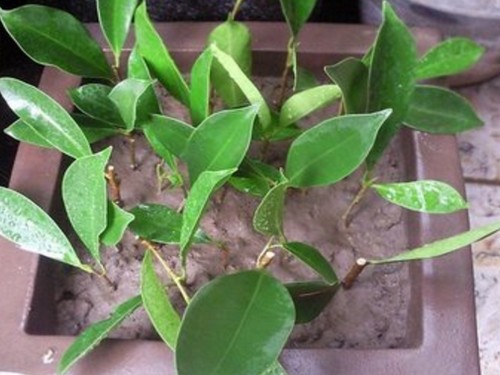
How to Propagate a Potted Ficus? A Detailed Guide to Common Propagation Methods
Ficus is an evergreen plant in the Moraceae family, with an elegant, expansive canopy and aerial roots that can form a forest from a single tree. It tolerates shade as well as sun, and moisture as well as drought. It has many varieties and is easy to shape, making it an excellent tree species for soil and water conservation, urban greening, and bonsai creation. Common propagation methods for Ficus include cuttings, layering, and buried layering. In northern greenhouses,
-
How to graft a bonsai ficus? Detailed explanation of grafting techniques
The common ficus has a unique "three beauties", namely the beauty of aerial roots, the beauty of root vines and the beauty of tuberous roots. But its shortcoming is that the leaves are large, and the distance between leaves is 2.4 cm, so the crown is loose. Choosing small-leaf ficus as the scion for grafting can change the above defects and form a small ficus stump bonsai.
-
The correct methods and techniques for leaf pruning of bonsai ficus
Stump bonsai is a sculpted landscape that changes with the four seasons and symbolizes vitality, so maintaining the continuity of its living growth becomes the inevitable purpose of maintenance and management. The ficus is a tropical tree species with strong vitality and wide adaptability; it likes light but also tolerates shade, and prefers a warm, humid, rainy climate; it stays evergreen all year round, with lush branches and leaves
-
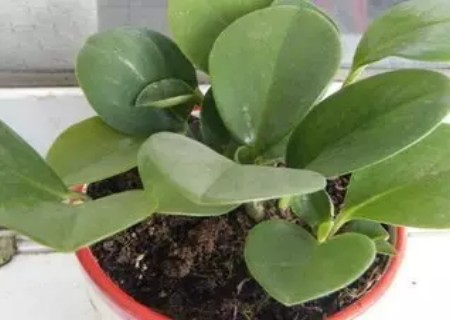
A complete illustrated guide to propagating rubber plant (Ficus elastica) from leaf cuttings, teaching you step by step
The rubber plant (Ficus elastica) is an excellent foliage plant. It not only traps dust and purifies the air, but also has high ornamental value, making it suitable for growing as an indoor potted plant. What's more, propagating this plant is very easy
-
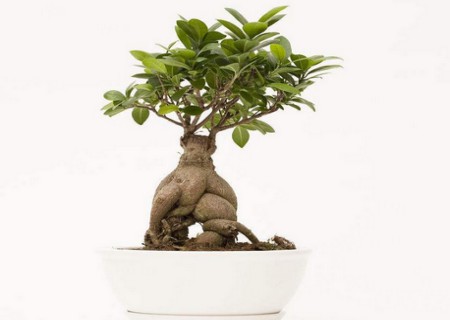
A Detailed Guide to Pruning the Ginseng Ficus Bonsai
Ginseng ficus is often grown as a ficus stump bonsai. Its root system is very well developed, with prominent gnarled roots and strangely shaped root tubers. More and more people are especially fond of it and cherish it dearly, and it is a beautiful sight decorating the home environment! But the beauty of a ginseng ficus bonsai is not entirely innate.
-

How to shape a bonsai ficus? Methods and techniques explained clearly in one go
A bonsai ficus not only has lush branches and green leaves, but its shape is also quite charming; you can appreciate not only its roots, but also its leaves and its form, all of which have extraordinary ornamental value. However, a fine bonsai ficus work generally does not acquire its perfect shape naturally, but rather through the creator's long-term shaping and training.
-
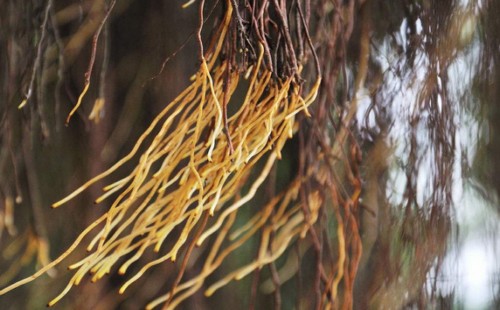
How to grow a bonsai ficus so it develops aerial roots
Ficus trees have the characteristic of growing aerial roots, and these aerial roots hang down from the branches and trunk like a person's beard, making them very distinctive. Some aerial roots are also very long, and can even hang down to the surface of the pot, looking quite unique. On closer observation, the aerial roots growing from the branches and trunk will, as time goes on, develop dangling fibrous roots
-

How long does it take for a banyan (Ficus) cutting to root? With method illustrated
Banyan bonsai is deeply loved by bonsai enthusiasts for its extremely high ornamental value, and there are also many methods for propagating young plants. Taking cutting propagation alone, there are several ways, such as approach grafting to thicken, combined planting cuttings, multi-branch combined cuttings, and direct old-trunk cuttings.
条件筛选