-
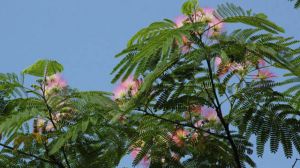
The difference between acacia trees and silk trees: easily distinguished by leaves and flowers
Trunk distinction: The trunk of the acacia tree has many thorns distributed on it; the trunk of the silk tree has no thorns. Leaf distinction: The former blooms first and then grows leaves; the latter grows leaves first and then blooms. Flower distinction: The former's flowers are yellow; the latter's flowers are white or pink.
-
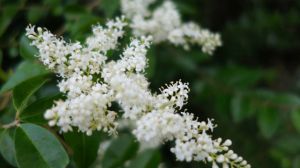
What is the difference between fish roe orchid and Milan? Teach you to quickly distinguish the two flowers
Leaf difference: Fish roe orchid leaves are opposite, hairless, papery, and shaped oval or obovate-elliptic; Milan's leaves are compound, with pointed tips and entire margins. Flower difference: Fish roe orchid's spikes combine into a panicle, flowers yellow-green; Milan has a panicle, flowers yellow. Fruit difference: Fish roe orchid is a drupe, white; Milan is a berry, ovoid or nearly spherical.
-
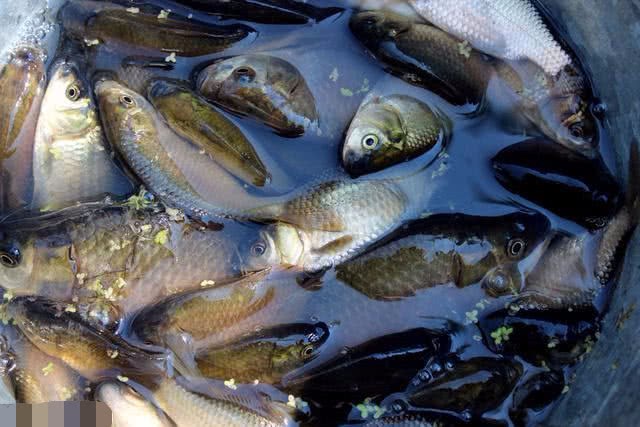
What are the characteristics of wild crucian carp, and how do you distinguish wild from farmed crucian carp?
Summary: What are the characteristics of wild crucian carp, and how do you distinguish farmed from wild crucian carp? When I was a child, there were many fish in the river next to the village, and the most numerous were crucian carp. At that time there was almost no farmed crucian carp, so there was a distinction between wild crucian carp and farmed crucian carp...
-

How to tell Panax notoginseng and Aptenia cordifolia apart? A quick guide to distinguishing the two plants
The differences between Panax notoginseng and Aptenia cordifolia
-
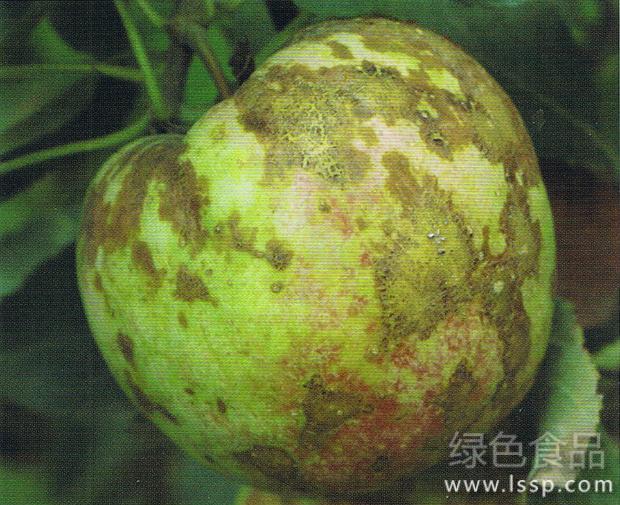
How to distinguish apple rust fruit from fruit rust and prevent and control rust fruit disease
Apple rust fruit and fruit rust must be clearly distinguished to control apple rust fruit disease
-
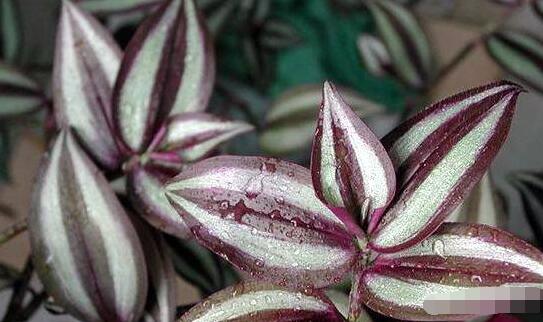
How to water Tradescantia zebrina in the four seasons? Water amount and timing must be distinguished
To make Tradescantia zebrina more beautiful and attractive, understanding its cultivation methods and precautions is key, and among these, watering is a very important part. Watering too little or too much is wrong, so what is the correct way to water Tradescantia zebrina? Let us take a detailed look below
-

How to distinguish male from female pigeons? These identification methods are simple and practical
There is the body shape identification method: male pigeons are larger in body shape, with a broad top of the head and two feet slightly raised, and a thick, short, and relatively hard neck; female pigeons have a compact and graceful body structure, an elongated whole head, eye rings close to the head, smaller beak cere, and a slender, relatively soft neck. The temperament identification method: male pigeons have a majestic bearing, are active and aggressive, and make cooing calls; female pigeons have a gentle and quiet bearing, are not aggressive, have weaker resistance, and do not peck or only make low muffled cooing sounds. The feather identification method: the thicker the neck feathers of male pigeons, the more they show a purple-green metallic luster and are relatively bri
-
How to Tell Spring, Summer and Autumn Tea Apart? This Article Teaches You to Distinguish Them with Ease
In winter, the main growing part of the tea plant is the root, and amino acids are synthesized in the root of the tea plant and then transported to the tips. After winter dormancy, the tea plant has stored many nutrients internally; in winter and spring, sunlight is weak and the tea plant grows slowly, which is a main factor in the formation of certain aroma substances in tea. Therefore, spring tea has the advantages of a lustrous and oily color, a rich and fragrant aroma, a thick taste with a sweet aftertaste, and a soft and thick leaf base. In addition, spring tea is generally rather plump, stout and heavy, with more downy hairs, fine and dense leaf veins, and inconspicuous serrations along the leaf margin. In summer, temper
-
How can you distinguish spring tea, summer tea, autumn tea and winter tea after brewing?
Spring tea: when brewed, the tea leaves sink relatively quickly, the aroma is strong and lasting, the taste is mellow, the liquor is clear and bright, the brewed leaves are soft and thick, there are many normal buds and leaves, and the leaf veins are fine and dense with inconspicuous serrations on the leaf margin. Summer tea: when brewed, the tea leaves sink relatively slowly, the aroma is not high enough, the taste is somewhat bitter and astringent, the brewed leaves are thin and rather hard, there are relatively many opposite leaves (with inconspicuous terminal buds), the leaf veins are coarser, and the serrations on the leaf margin are obvious. Autumn tea: the aroma is not high, the taste is light and slightly astringent, there are many opposite leaves, the serrations on the leaf margin are obvious, and the leaf blades vary in size. Winter tea: the aroma tends toward a light fragrance type, and the taste is smooth and softer than spring tea
-
How to Distinguish Swine Dysentery from Diarrhea? A Detailed Guide to Integrated Prevention and Control Methods
Dysentery and diarrhea in pigs are relatively common, especially in large-scale pig farms. On some pig farms, the harm caused by swine dysentery and diarrhea is quite serious, particularly piglet dysentery and diarrhea, which have become key factors restricting piglet survival rates. Improving the ability to clinically distinguish swine dysentery from diarrhea is of great significance for grassroots animal disease prevention and control workers and large-scale farm (household) owners to promptly adopt prevention and control measures. 1 Differences and Classification of Dysentery and Diarrhea. Dysentery and diarrhea are both clinical symptoms. What is commonly called loose stool mostly
条件筛选