-
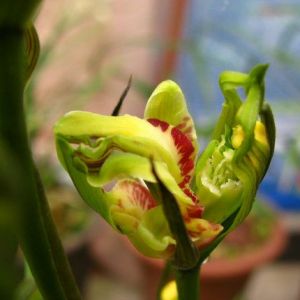
A detailed explanation of methods for identifying Cymbidium faberi varieties, teaching you to distinguish varieties with ease
One of the ten great odd flowers of Cymbidium sinense: an odd-form flower with "multiple noses" and "multiple tongues." Although quite a few odd-form flowers have been found in this province, no similar variety can be found; its unique distinction is that it maintains a "standard flower form" while still having variation, combining the classical and the novel, and it is very popular among lovers of odd-form flowers. This type has large flowers, plump and moist petals, multiple noses, multiple...
-
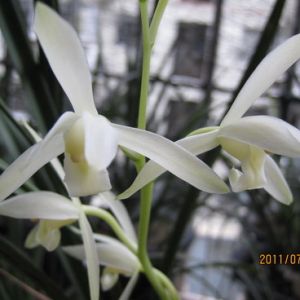
How to tell the difference between Cymbidium goeringii and Cymbidium faberi? A guide to distinguishing the two orchids
A beautiful white flower, it doesn't have a name yet.
-

How to Distinguish Orchids from Hui Orchids? A Detailed Explanation of Traditional Identification Methods
Traditionally, people call the flower spikes that orchids send up (or "push out") "lan" when a single stem bears a single flower, and "hui" when a single stem bears multiple flowers. That is why Chinese orchids are also known as "lan-hui." Huang Tingjian of the Song Dynasty wrote in "Record of the Secluded Fragrance Pavilion": "A single stalk with one flower and lingering fragrance is lan; a single stalk with five to seven flowers and insufficient fragrance is hui,"...
-
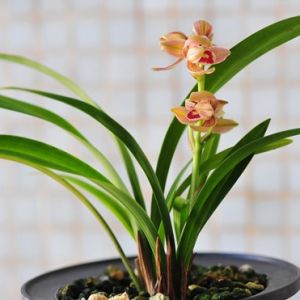
How to distinguish Cymbidium kanran from Cymbidium goeringii when they are not in bloom
This plant was collected in 2009 from the Fuzuo forest area of Langshui Township, Rong County. When collected, it was only a single seedling with a dragon root, and its plant form showed relatively strong lotus-petal characteristics. Looking at the whole flower: its constricted base and flared corners, cupping, and the vividness of its red color are all better than those of Honghe Guan, and a good constricted base is a standout feature that lotus-petal types from Rong County find hard to surpass. This follows the Honghe Guan, Lianzi He, and extra-large lotus types collected from Rong County...
-
How to distinguish Jianlan (Sijilan, Cymbidium ensifolium) from Chunlan (Cymbidium goeringii) when they are not in bloom
(1) Sijilan has only a few small serrations at the leaf tip, while Chunlan has very obvious serrations along the leaf margins. (2) Sijilan's leaves are wider than Chunlan's, while Chunlan's leaves are harder and rougher than Sijilan's. (3) Sijilan's pseudobulbs are larger than Chunlan's; Chunlan's are smaller. (4) Sijilan...
-
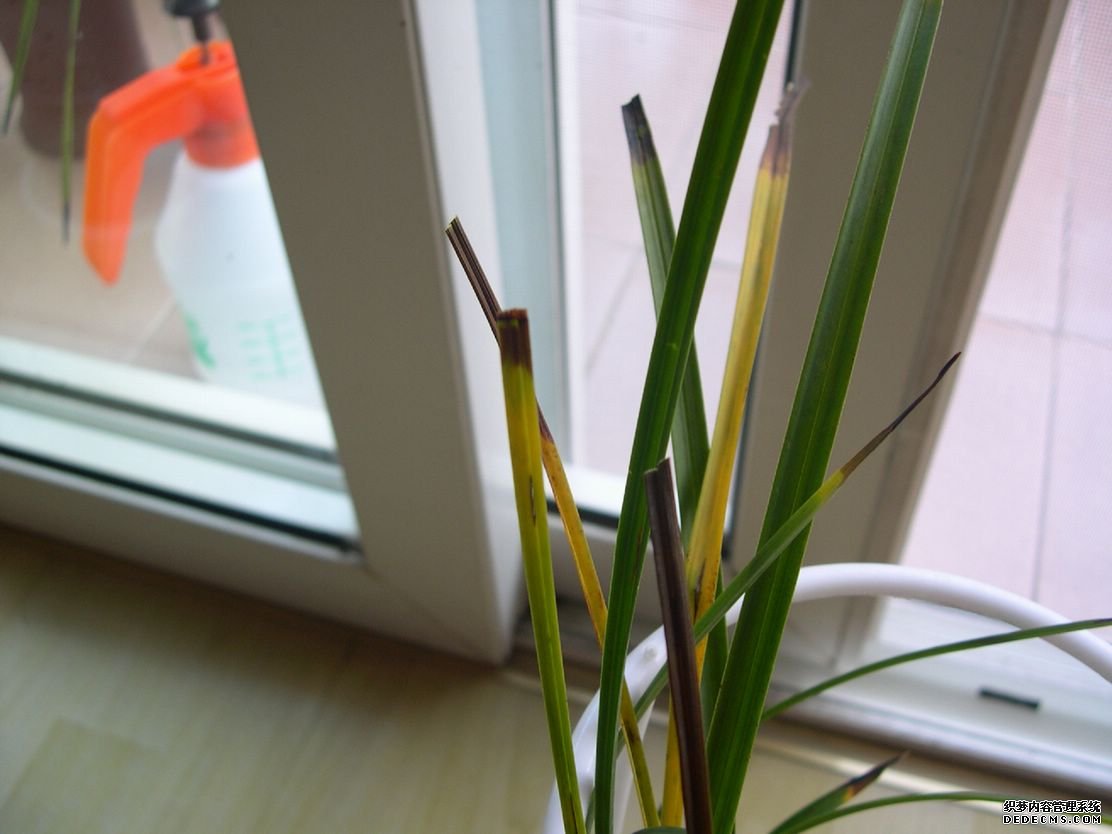
How Beginners Can Distinguish Water Damage, Fertilizer Burn, Pesticide Damage, and Drought Damage from Leaf Symptoms
A beginner's brief discussion on how to distinguish water damage, fertilizer burn, pesticide damage, and drought damage from the leaves...
-

How to Identify Orchid Seedlings? Teach You the Method to Distinguish Orchid Seedlings
How to Identify Orchid Seedlings
-
How to Distinguish Natural Leaf Shedding from Diseased Leaves in Orchid Cultivation
Orchid Cultivation: The Difference Between Natural Leaf Shedding and Diseased Leaves in Orchids
-
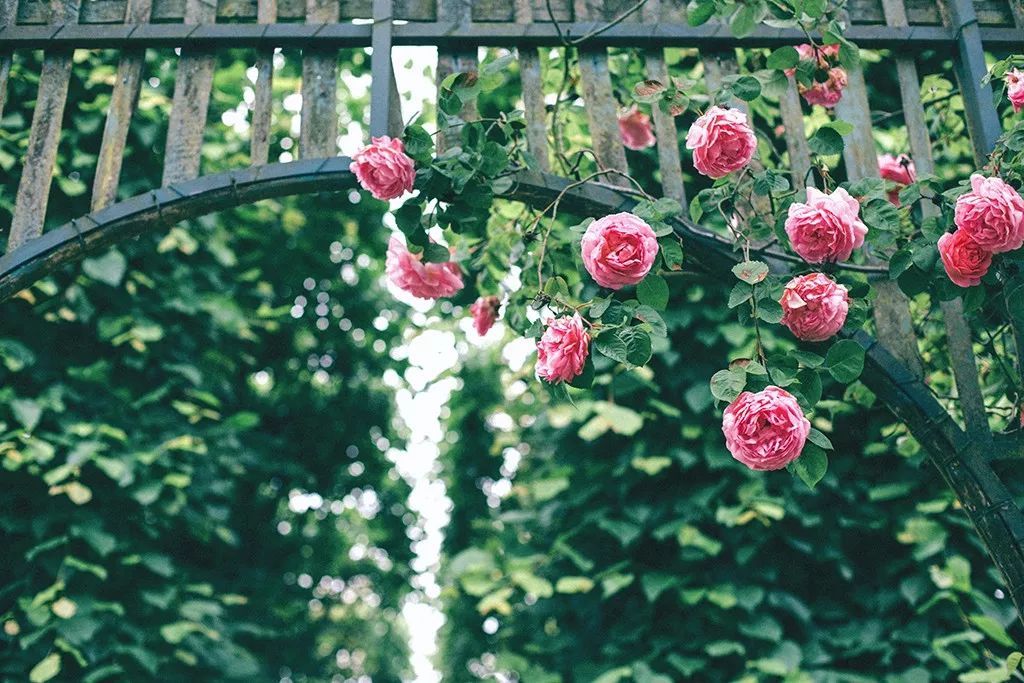
What is the difference between Chinese rose, rose, and climbing rose? Teach you to quickly distinguish the three flowers
BGM: To and Fro - ThomstonIn Western countries, a single word "Rose" encompasses all plants of the genus Rosa, but we have more refined and detailed classifications. Usually at the flower shop, the red roses, white roses, ... that you see
-

How to distinguish pneumoconiosis from pulmonary tuberculosis? Detailed explanation of the main differences between the two
In the early stage of simple pneumoconiosis, there are no symptoms; once other lung diseases are combined, some symptoms will appear. If physical examinations are carried out regularly, the chest X-ray will show lung imaging that is very similar to that of some other lung diseases...
条件筛选