-
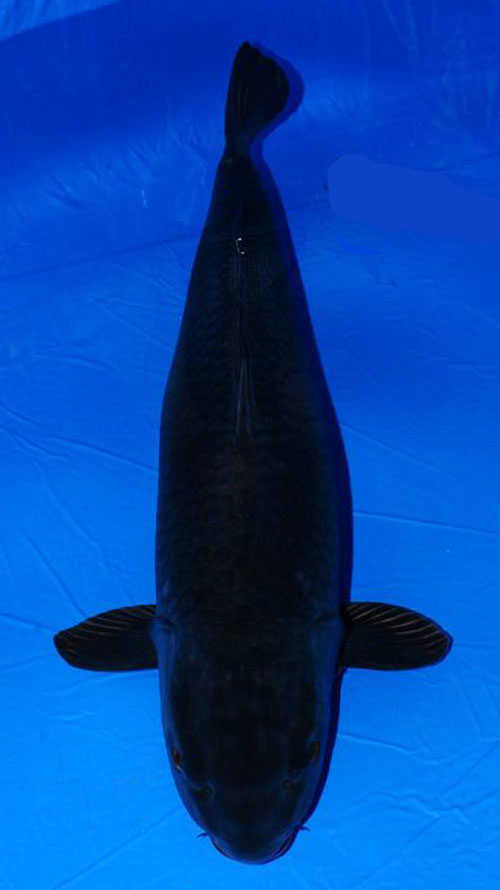
How can the colors of the black carp, koi, and five-colored koi be distinguished?
Introduction to the black carp. The black carp is a carp that is completely pitch-black all over, belonging to the variant koi. As a koi variety, the black carp is derived from the dark blue Asagi. As a branch of the true Asagi carp, the black carp is much blacker all over than the true carp, with its whole body as if coated in black lacquer, the huge German-strain...
-
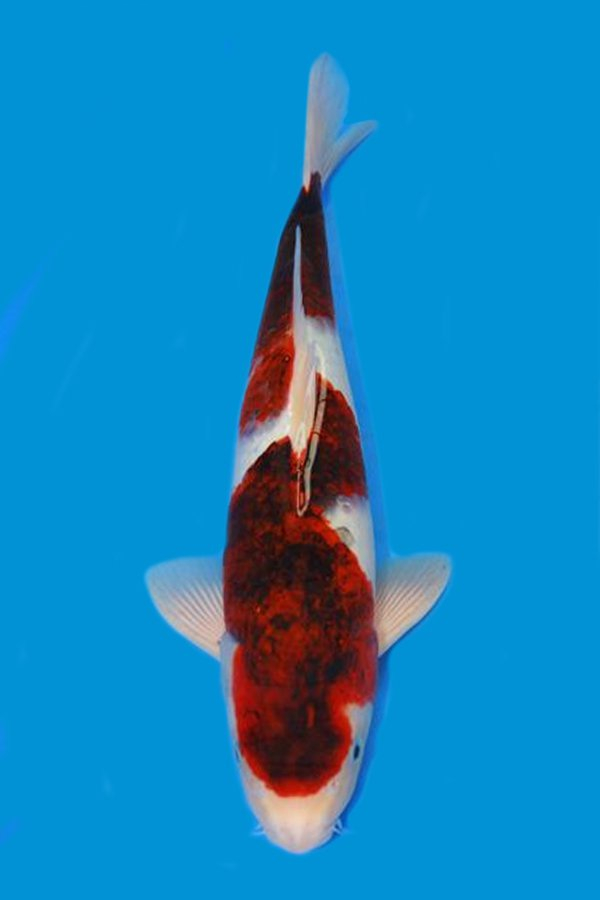
What are the ways to distinguish Grape Koromo koi from Tancho koi?
Introduction to Grape Koromo koi. Koromo koi is a koi variety derived from crossing Kohaku or Sanke with Asagi koi. Its characteristic is that beneath the red patches on the koi's body there is blue, or grape color, and other colors, as if it were wearing an outer garment, which is how it got the name Koromo koi. Among them, Grape Koromo is a type of Koromo...
-
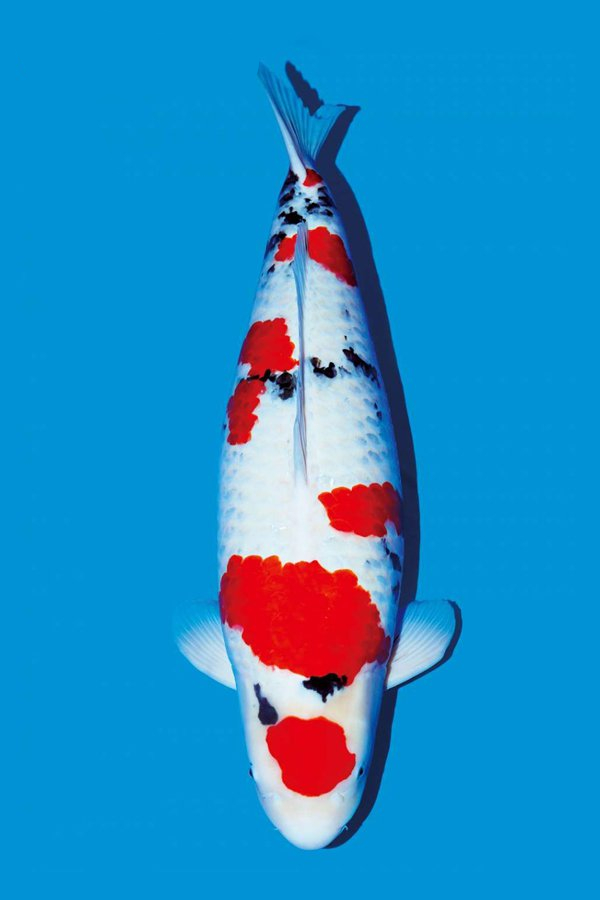
How do you distinguish the colors of Ginrin Sanshoku and Goshiki koi?
Naming of Ginrin Sanshoku. As a type of Taisho Sanshoku, the Ginrin Sanshoku koi is widely distributed in China, Japan, Germany and other places. Its most distinctive feature is its ginrin (silver scales). These silver scales gradually spread as the koi grows and its body shape changes. In other words...
-
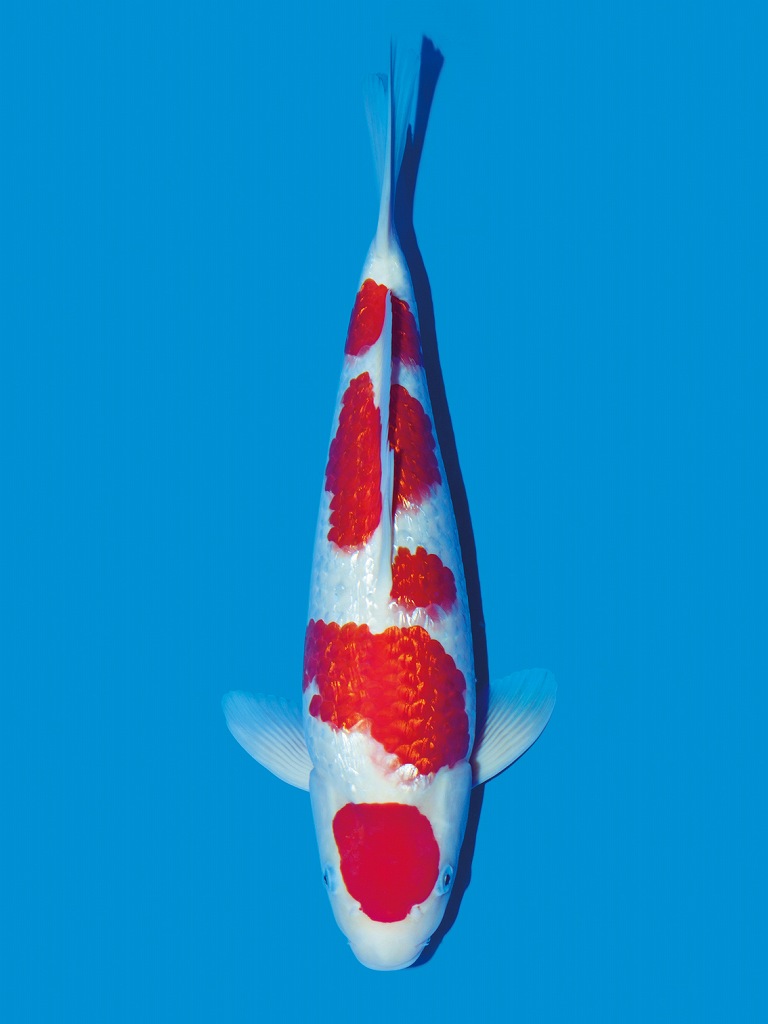
How do you distinguish between Tefu Silver Scale Koi and Tancho Koi?
Introduction to Tefu Silver Scale Koi. Tefu Silver Scale is one of the koi varieties; it belongs to the gold and silver scale koi, and it has the characteristics of Tefu Gold: the gold and silver patterns are applied separately, and basically the platinum on the head and back shines brilliantly and is very gorgeous, with a bare head and...
-

How do you distinguish the appearance of the Gold and Silver Scale Tancho Koi from the Red Pine Leaf Koi?
Introduction to the Gold and Silver Scale Tancho Koi As is well known, the Tancho Koi represents the meaning of good fortune descending upon one's head and a career in officialdom advancing smoothly, making it deeply favored by those in official circles. However, with the appearance of the Silver Scale Tancho Koi, a new favorite in the world of Tancho Koi was born. The Gold and Silver Scale Tancho...
-
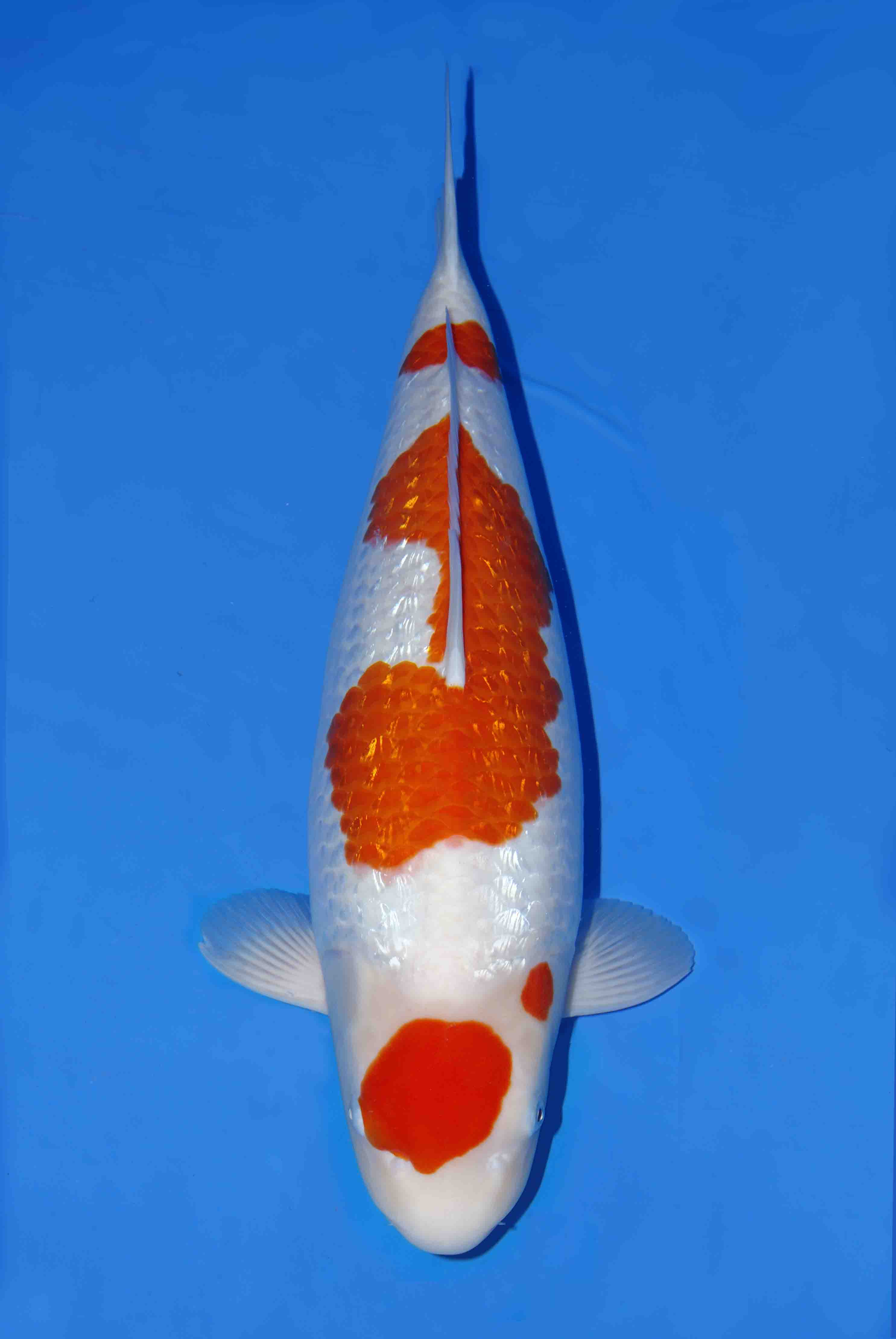
How to distinguish Ginrin Kohaku from Goshiki koi by color
Introduction to Ginrin Kohaku: The so-called Ginrin Kohaku is a Kohaku whose body has gold- or silver-metallic shiny scales. These colored scales are usually most prominent along the back, and when we look down from above, we can see their sparkle at a glance. Ginrin...
-
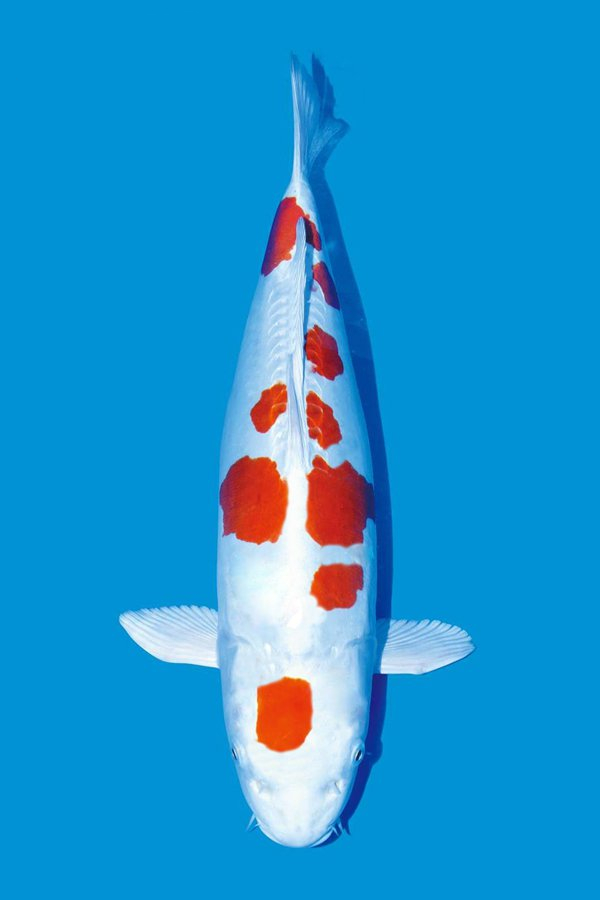
How to distinguish Maruten Kohaku from Tancho Kohaku
Introduction to Maruten Kohaku: When we admire Kohaku, if we see that the head of the Kohaku shows a round red patch, then we call this kind of Kohaku "Maruten Kohaku." It should be stressed here that no matter how the red patches on the body of the Kohaku appear, as long as the head forms a "maruten" red patch, it is called Maruten Kohaku.
-
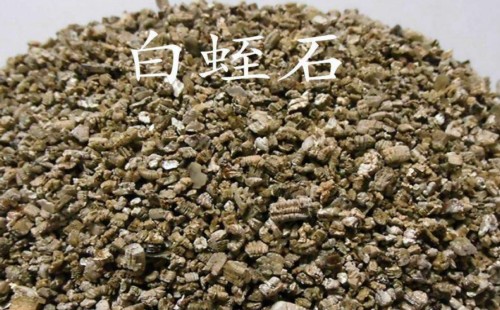
What is vermiculite? Learn to distinguish plant morphological characteristics
Gardeners who enjoy growing flowers and plants in pots have generally come into contact with or used vermiculite, especially when growing succulents, where vermiculite is used very frequently. So, what is vermiculite? Why is it favored by so many gardeners? Today, the editor will
-
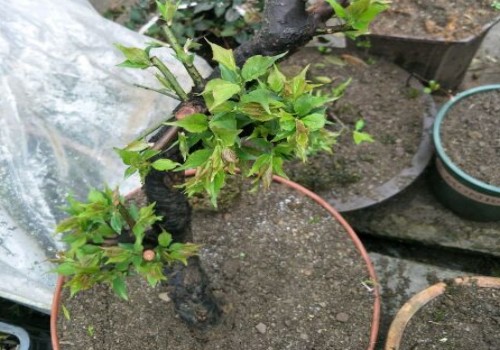
What kind of soil does plum blossom like, and how can its morphological features be distinguished?
Since ancient times, plum blossom has been deeply loved by the public for its unique temperament and quaint charm, and its ornamental value is also very high, especially when grown as an excellent bonsai, it has won much praise. But after flowering, the growth of the plant is often inseparable from soil
-
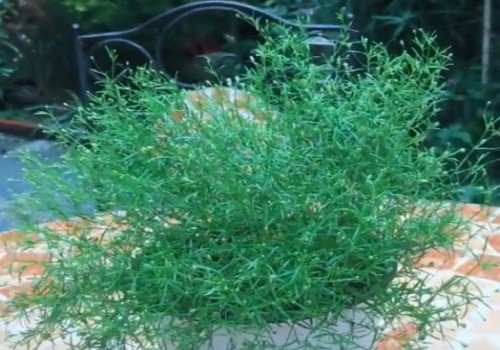
What environment does baby's breath like? Distinguish it by its plant morphological characteristics
Many gardening friends like to grow baby's breath in pots, but it is generally recommended to buy mature plants from the flower market and repot them. This saves the process of raising seedlings, saving both time and effort. Moreover, the stage from sowing to seedling emergence is not easy for beginner gardeners
条件筛选