-

Differences in Planting Techniques and Seedling Propagation Methods Between Double-Season Pagoda Tree and Fragrant Flower Pagoda Tree
Double-season pagoda tree is suitable for seed propagation, while fragrant flower pagoda tree is suitable for root burial propagation. The most suitable cultivation techniques are not entirely the same for different varieties, and growers can choose according to their own needs
-
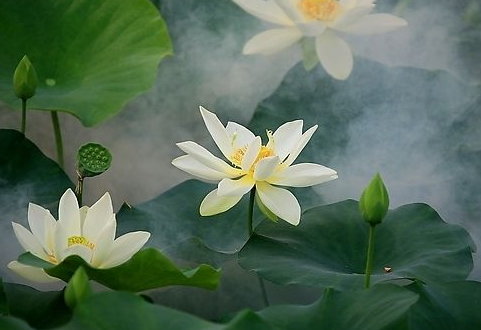
Are Lotus and Water Lily the Same Plant? An Analysis of Their Differences
Lotus and water lily are the same plant, mostly called lotus, which is also its earliest name, "On the mountain grows the mulberry, in the marsh blooms the lotus"
-
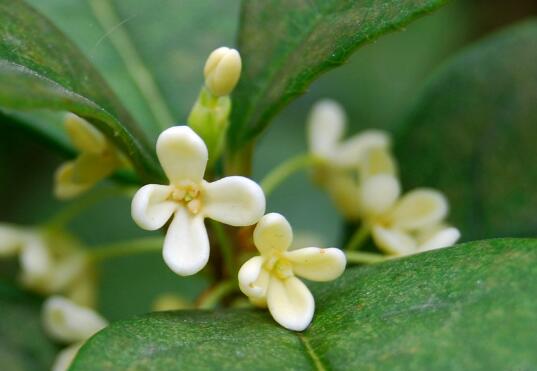
Differences Between Rixiang Gui and Sijigui: Body Size, Appearance, and Propagation Methods All Differ
Rixiang Gui and Sijigui are two different plants. Sijigui belongs to the order Scrophulariales, while Rixiang Gui belongs to the order Polemoniales. However, because the two look quite similar, they are often confused by people. In fact, if you observe carefully, there are still many differences between them. What are the differences between Rixiang Gui and Sijigui?
-
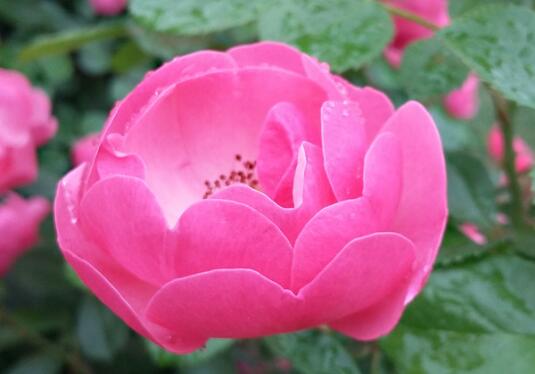
Differences Between Climbing Roses and Multiflora Roses: Appearance, Blooming Period, and Propagation Explained
Climbing roses and multiflora roses are two completely different plants, but because they belong to the same family and look somewhat similar, they are often easily confused. In fact, on closer inspection, these two plants still have many differences. What exactly are the differences between climbing roses and multiflora roses?
-
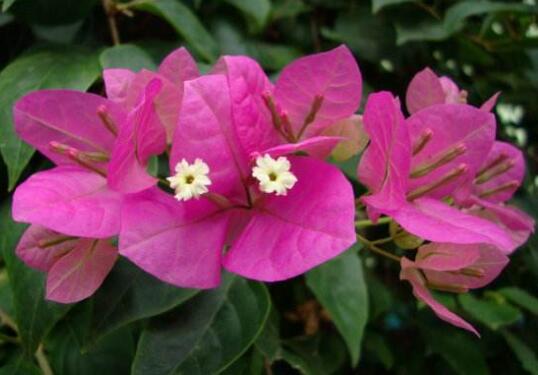
Differences Between Bougainvillea spectabilis and Bougainvillea glabra in Appearance, Blooming Period and Propagation Methods
Bougainvillea spectabilis and Bougainvillea glabra are two different plants, but because they belong to the same plant family and are also fairly similar in appearance, they are often confused by people. In fact, there are still certain differences between the two. So what exactly are the differences between Bougainvillea spectabilis and Bougainvillea glabra? Below, the editor will walk you through them.
-
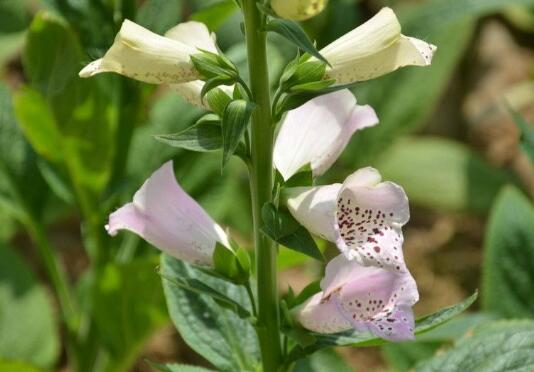
5 major differences between foxglove and lupine: appearance, region, propagation, blooming period
Foxglove and lupine are two completely different plants, but because they look fairly similar, they are often confused by people. In fact, these two plants themselves still have many differences, and as for the specific ways in which foxglove and lupine differ
-
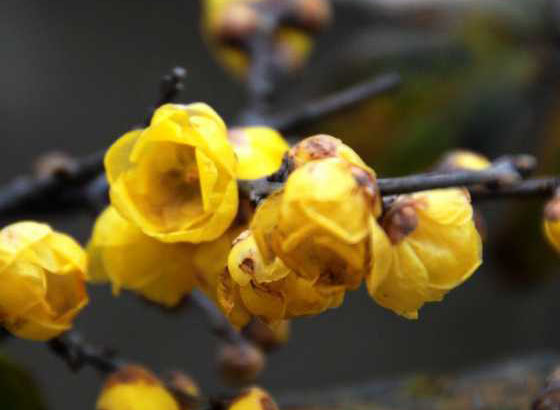
What are the differences and connections between wintersweet and plum blossom?
Wintersweet is a deciduous or semi-evergreen shrub. The flowers are borne singly in the leaf axils of one-year-old branches; the sepals and petals are not clearly differentiated, the outer whorl is yellow, the inner whorl often has purplish-brown stripes, with a waxy texture, and the fragrance is strong. Wintersweet and plum blossom share similarities: both bloom before leafing out, both flower in winter and spring, and both are fragrant.
-

Differences Between the Brown Marmorated Stink Bug and the Yellow-Spotted Stink Bug and Their Identification
The brown marmorated stink bug and the yellow-spotted stink bug both belong to the order Hemiptera, superfamily Pentatomoidea, family Pentatomidae, and both are pests that cause relatively serious damage to ornamental garden plants. The brown marmorated stink bug, scientific name Halyomorpha picus, is also known as the stinkwood stink bug, the stink bug, and the tea-colored stink bug. Host: this species has a wide diet and harms many garden plants such as black locust, elm, fig, lilac, pomegranate, paulownia, peach, and crabapple. Damage symptoms: adults and nymphs suck the sap of tender leaves, tender stems, and fruits, and in severe cases cause leaves to turn yellow and dry, and to fall
-
What are the similarities and differences between Chinese and American cotton grading standards?
The United States is a major cotton-producing and cotton-consuming country, with half of its annual cotton production used for domestic consumption and half for export. As a result, American cotton standards have an important influence worldwide and are used by 24 countries and regions; they are also known as the universal cotton standards. Below is a brief introduction to the similarities and differences between Chinese and American cotton grading standards: Cotton grade is a reflection of the overall quality performance of cotton, and the cotton standards of most cotton-producing countries in the world include a cotton grade inspection item. In the U.S. cotton standard
-
Do different cotton varieties require different fertilization methods, and what are the similarities and differences?
Recently, when the author visited cotton-producing areas in counties and cities such as Tianmen, Hanchuan, Jingshan, and Jianli, as well as Huarong, Anxiang, and Nanxian in Hunan Province, many farmers asked about cotton fertilization techniques. They often regard fertilization as one of the important means of increasing yield, so they show great concern about fertilization techniques. Years of experience and lessons in cotton fertilization tell us that the common experience for increasing cotton yield through fertilization is: apply sufficient basal fertilizer, apply seedling fertilizer quickly, apply bud fertilizer steadily, apply flower and boll fertilizer heavily, and apply boll fertilizer universally. However, when it comes to different cotton varieties, there are differences in fertilizer application.
条件筛选