-
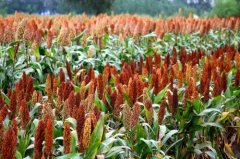
What Is Sweet Sorghum? Differences from Sorghum and a Detailed Guide to Growing Techniques
Do you know sweet sorghum? Why is sweet sorghum called sweet sorghum? Let's take a look at how it differs from sorghum. Sweet sorghum is a variety of grain sorghum and can also produce 5000-6000 kg of grain per hectare, but the seeds are smaller, with a 1000-grain weight
-

What Kind of Corn Is Fruit Corn? Differences from Other Corn and How to Eat It
What is fruit corn? Is fruit corn easy to grow? Fruit corn is a type of sweet corn suitable for eating raw. Compared with ordinary sweet corn, its main characteristics are thin skin with no residue, a delicate texture, lots of juice, and a crisp, sweet taste; it can also be eaten after cooking. Fruit
-
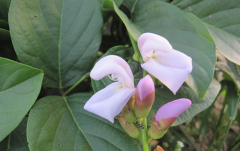
Sword Bean Growing Techniques, Propagation Methods, and the Differences Between Vining and Dwarf Varieties
Do you know the red phoenix bean? This plant has another name, the sword bean. So what are the planting time and methods for sword beans? Let's take a look together! The sword bean blooms from June to July and fruits from August to October. Among plants, those commonly called "sword bean" come in vining
-

Are edamame and soybeans the same? The differences between the two explained clearly in one go
Are edamame and soybeans the same?
-

Is yellow chives the same as chives? The differences explained in one article
Is yellow chives the same as chives?
-
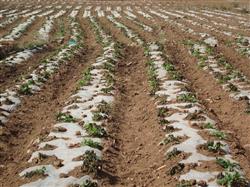
Differences Between Potato Frost Damage and Disease and How to Identify Them
Frost damage: Judging by the plant's outward appearance, after the plant is frozen, the leaves and heart leaves show no lesions, and the leaf color is dark green. When exposed to sunlight, the leaves appear wilted, as if they had been boiled. After 1 to 2 days, the leaf margins curl inward until they wither and crumble, but the new leaves growing from the heart leaf show no wilting symptoms. Disease: After the plant is affected...
-

Differences Between Pleione and Aspidistra and How to Identify Them
Scientific name: Pleione bulbocodioides. Alternative name: Yiyelan (one-leaf orchid). Family and genus: Orchidaceae, perennial herb. Morphological features: When Pleione blooms, a single leaf grows beside the flower, which is why it is also called Yiyelan (one-leaf orchid), while the name Pleione comes from its garlic-like pseudobulb. It is terrestrial or epiphytic; the pseudobulb is ovoid or conical, 2 cm to 3 cm long; the flowering period is April to June; the upright inflorescence is 15 cm tall to
-
Differences Between Pleione bulbocodioides and Aspidistra elatior and Their Care Methods
Scientific name: Pleione bulbocodioides. Aliases: Aspidistra elatior, one-leaf orchid. Family and genus: Orchidaceae, perennial herb. Morphological characteristics: When Pleione bulbocodioides blooms, a leaf grows beside the flower, which is why it is also called Aspidistra elatior, while the name Pleione bulbocodioides comes from its garlic-shaped pseudobulb. Terrestrial or epiphytic; pseudobulb oval or conical, 2 cm to 3 cm long; flowering period April to June; erect inflorescence 15 cm to 25 cm tall.
条件筛选