-
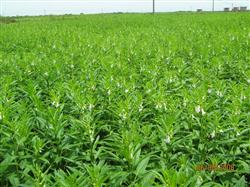
Why can't sesame be grown in consecutive crops? The reason is here
Using early-season crops such as peas, rapeseed, and barley to plant sesame covers a certain area in our region and is a major advantage in sesame production. However, in terms of management, the same set of management methods for summer sesame is still followed, so the potential advantages of early-season sesame have not been fully brought into play, and the yield is not very ideal. In order to fully leverage its yield-increasing...
-
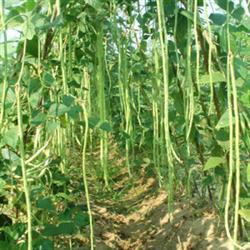
Cucumbers and long beans planted in two crops, two harvests from one greenhouse
Long beans are known for being difficult to manage in off-season cultivation, with high requirements for temperature and light, but their yield and returns are also high. 1. Raising seedlings 1. Use 5×5 nutrient cups, or 32-cell seedling trays, with good substrate as the nutrient soil, and two seeds per planting cell. Specific method: first moisten the substrate with water at a 1000-fold...
-

Why Farmers Lose Money Growing Crops and How to Avoid It
Summary: Why do farmers still lose money growing crops? Where does the problem lie? Looking at the current state of agricultural production, it is not common for farmers to lose money year after year, but losses do occasionally occur, and in extreme cases of bad luck...
-
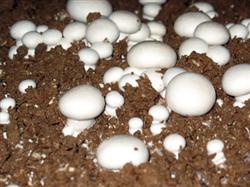
Detailed Explanation of the New Technology for Two Crops of Button Mushrooms in One Year
1. Mushroom shed treatment. In the past, most mushroom sheds used were simple greenhouses with a single-slope design, or simple semi-underground sheds. During low-temperature seasons, it was difficult to use sunlight to raise the temperature, so after cultivation entered November, the shed temperature dropped along with the air temperature. When the lowest shed temperature reached 8°C, mushrooms stopped fruiting, and it was only after the air temperature rose again in March of the following year...
-
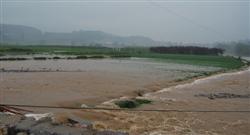
Severe Potassium Loss After Flooding Makes Potassium Supplementation Essential for Crops
In past years, in several provinces along the middle and lower reaches of the Yangtze River, potassium deficiency symptoms were commonly seen in crops such as cotton, rice, corn, soybeans, and peanuts. Apart from some soils being inherently low in potassium, this was largely related to the heavy rainfall during the crop growing season this year, which caused considerable potassium loss. In cotton, most fields showed potassium deficiency...
-
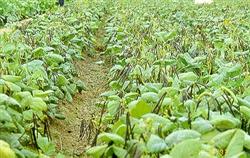
Why should mung bean cultivation be rotated with other crops?
Why do mung beans need crop rotation to prevent continuous cropping? Please explain the reasons. Mung beans should not be grown continuously on the same land. Continuous cropping leads to more pests and diseases and poorer quality, and it also suppresses the development of rhizobia due to the proliferation of harmful microorganisms. There is a farming proverb: "Rotate the bean field every year, and the yield will rise every year." At the same time, mung bean is also an important soil-enriching crop and an excellent preceding crop for cereals...
-
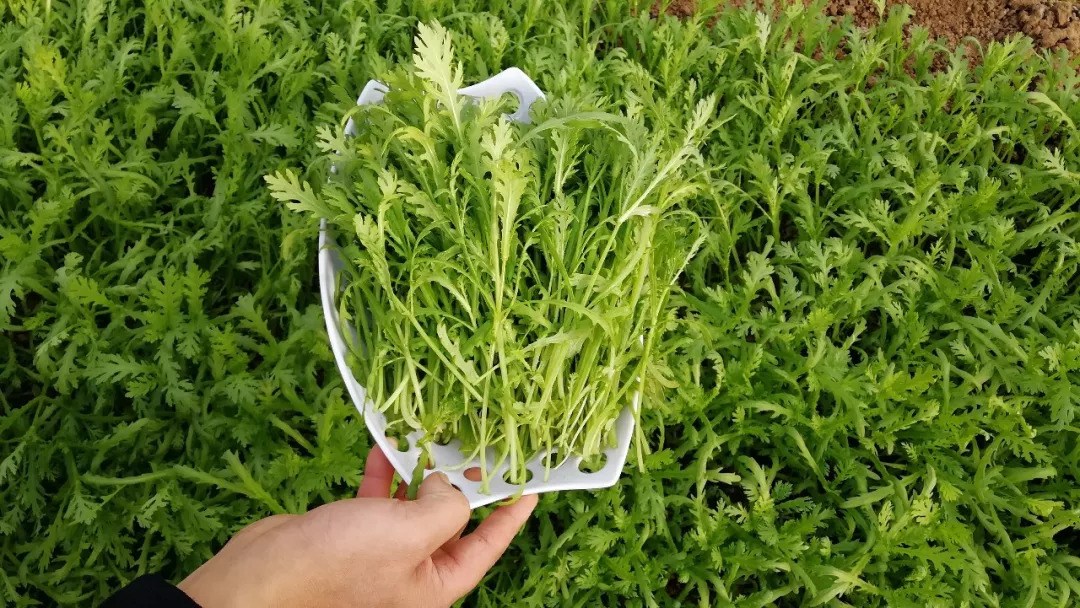
Grow crown daisy this way and you can harvest several crops, more than the whole family can eat
Private Balcony Vegetable Garden Teacher Xiaoye shows you step by step how to grow vegetables Follow Crown daisy (Glebionis coronaria) is a leafy green vegetable that everyone loves to eat. It can be eaten in hot pot, stir-fried, or served cold, and it is very nutritious, helping to ease memory decline and stabilize mood...
-
What crops are most profitable to grow in rural areas now?
Growing trees: Trees have diverse uses, being used for ornamental purposes, making furniture, and with relatively high added value; it can be said that one tree serves multiple purposes, offering broad ways to make money. Growing organic vegetables: The demand for pollution-free organic vegetables is relatively high and they are in short supply, so the sales market can be guaranteed; compared with other ordinary vegetables, the profit income they bring is more considerable.
-
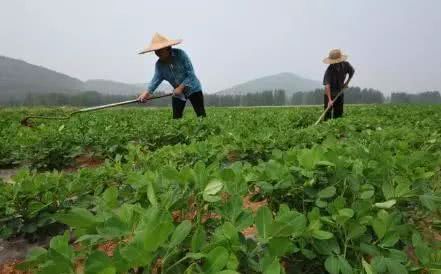
Peanut crops severely damaged over large areas by cabbage worms: how should this be handled?
Peanut cabbage worms occur over a relatively large area in the northern growing regions of China. Henan is especially hard hit, with 5-6 generations possible; control of the 1st-2nd generations is generally relatively simple. After that, this pest develops strong pesticide resistance, and a single class of pesticide has an unsatisfactory control effect...
-

Which common crops are sensitive to pesticide formulations?
Some common crops sensitive to pesticide formulations
条件筛选