-

Severe Potassium Loss After Flooding Makes Potassium Supplementation Essential for Crops
In past years, in several provinces along the middle and lower reaches of the Yangtze River, potassium deficiency symptoms were commonly seen in crops such as cotton, rice, corn, soybeans, and peanuts. Apart from some soils being inherently low in potassium, this was largely related to the heavy rainfall during the crop growing season this year, which caused considerable potassium loss. In cotton, most fields showed potassium deficiency...
-

What are the functions of potassium fertilizer? A detailed explanation of the important benefits of potassium fertilizer for crops
What are the functions of potassium fertilizer?
-

Detailed Explanation of Key Technical Points for Boron Fertilizer Application in Field Crops
Boron Fertilizer Application Techniques for Field Crops
-
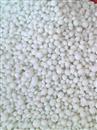
Application methods of potassium sulfate compound fertilizer on crops
How is potassium sulfate compound fertilizer applied to crops? Please give an introduction. The following introduces the methods of applying potassium sulfate compound fertilizer to several crops: Cucumber: generally, for a high-yield cucumber field, apply 5000 kg of high-quality organic fertilizer and 50 kg of potassium sulfate compound fertilizer per mu as base fertilizer. The principle for topdressing is small amounts applied multiple times, with a total topdressing amount of about 50 kg. Topdressing should be applied by flushing with water, once every half a month, with urea and potassium sulfate compound fertilizer used alternately, 10-15 kg per mu each time.
-
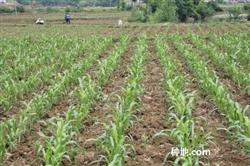
What is the best time for topdressing crops?
When is the best time to topdress crops? Please give guidance. For topdressing crops, you can refer to the following list: 1. Corn. For corn, the period from after jointing to the large trumpet stage is the peak period of nutrient uptake. Generally, the first fertilization can be applied around jointing, with 150 kg of ammonium nitrate or 120 kg of urea per hectare; at tasseling...
-
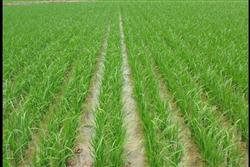
What are the methods for topdressing crops? A full analysis of practical techniques
What are the methods for topdressing crops? Please give an introduction. The following methods for topdressing crops are for reference: 1. Direct broadcasting: after the crop is watered or after rain, when the field moisture is suitable and you can enter the field, broadcast the fertilizer directly between the crop rows and plants. Although this method is relatively simple, part of the fertilizer...
-
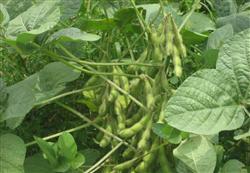
Applying Topdressing to Crops This Way Can Effectively Increase Yield
How can crops be topdressed to increase yield? Please introduce the methods. Topdressing crops is an important means of achieving increased production and income, but topdressing must be done scientifically to achieve a bumper harvest. Three considerations: determine the type of chemical fertilizer to apply based on differences in soil pH. In general...
-
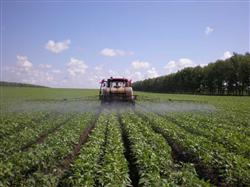
What are the precautions for foliar topdressing of crops?
What should be noted when applying foliar topdressing to crops? Here is an introduction. To achieve good results with foliar topdressing on crops, the following points should be noted: First, the leaf wetting time should be as long as possible. After foliar spraying, the longer the leaves stay wet, the more nutrients the plant absorbs. Therefore, when carrying out foliar fertilization, it is generally best to choose after 4 PM...
-
What types of fertilizers are prohibited for crops?
Fertilizers are essential for crop production, but not all fertilizers can be used. Some fertilizers not only fail to increase crop returns when applied to crops, but also cause pollution and affect consumer health. Below is an introduction to the types of fertilizers prohibited for use on crops. 1. Organic fertilizers made from urban, hospital, and industrial area waste, harmful sludge, etc. as organic raw materials...
-
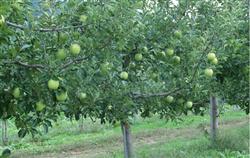
Six major misunderstandings about foliar feeding of crops to avoid
Foliar feeding, also called topdressing outside the roots, is a fertilization measure that cannot be ignored in fruit tree production. This method saves labor and effort, takes effect quickly, and has a high utilization rate. Within 24 hours, 80% of the sprayed fertilizer can be absorbed. For fruit trees such as apples, pears, and hawthorns, spraying during the flowering period can increase the fruit-setting rate; spraying during the leaf and fruit growth periods can promote...
条件筛选