-
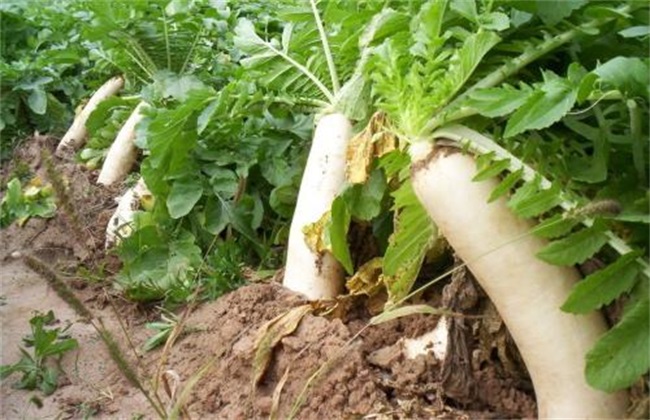
What are the growth characteristics of radishes? A comprehensive guide in one article
Growth characteristics of radishes
-
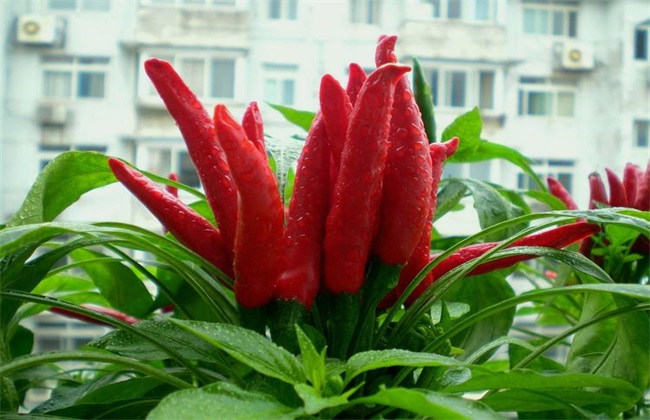
What are the common varieties of chili peppers? A comprehensive guide in one article
Common varieties of chili peppers
-
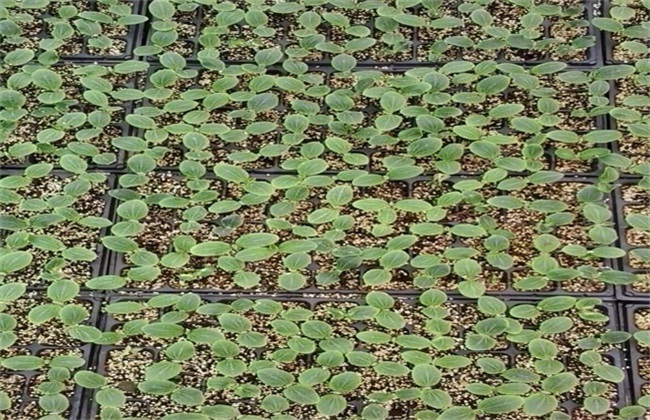
A Comprehensive Detailed Explanation of Key Cucumber Cultivation Techniques
Key Techniques for Cucumber Cultivation
-

A comprehensive analysis of the cucumber growth cycle and its characteristics
The cucumber growth cycle and its characteristics
-

What is the Potato Leap Forward? A comprehensive guide in one article
Variety origin: In 1958, the Baishang Agricultural Science Research Institute of Zhangjiakou Prefecture, Hebei Province, crossed "Epoka" as the female parent with "Xiaoyezi" (Beijing Xiaohuang) as the male parent; in 1966 it was bred, named and began to be promoted, and was recognized as a national-level variety by the National Crop Variety Approval Committee. Main traits: upright plant type, relatively many branches, plant height about 70cm, green stems, strong growth vigor: dark green leaves, large compound leaves, 3 to 4 pairs of lateral leaflets; inflorescence peduncle green, slightly tinged with purple, flower stalk
-
A Comprehensive Guide to Potato Processing Techniques
The potato is one of China's major agricultural products and can be grown all over the country, with enormous production potential. Besides being eaten fresh, processed into starch, or cooked into Chinese and Western fast food, potatoes can also undergo many kinds of further processing. 1. Potato jam First, wash the potatoes clean, remove any rotten or sprouted parts, then peel them, place them in a steamer and steam until cooked, then take them out and spread them to cool. Next, rub them through a sieve into a uniform potato mash and set aside. Take white granulated sugar, water and sour water (that is, the sour water used in a vinegar workshop; mix a small amount of thin rice (porridge) with bran and put it in a vat, transfer it from vat to vat for one week, once a day, and the filtered sour water is used as a vinegar starter), put them into a pot and boil until 110°C, then pour the potatoes into the pot, and use an iron shovel to keep turning them constantly, stirring while pressing, until all the potato mash is broken up, while at the same time preventing the bottom of the pot from scorching. Continue heating to 115°C, then add citric acid and coloring. And control its pH value at 3-3.2. At this point, because the temperature is too high, it is necessary to turn and stir frequently to prevent scorching. Lower the temperature with a low fire, and when the material in the pot reaches 100°C, add the fruit food flavoring and nutritional additives into the pot, stir evenly with an iron shovel, and it becomes potato jam.
-
Comprehensive Control Methods for Yellowing Garlic Leaf Tips in Autumn
Garlic planted in autumn is prone to leaf tip yellowing, which causes stunted stems and leaves, thin stalks, low yield and poor quality. 1. Causes 1. Low soil fertility and insufficient nutrient supply in the later stage. 2. Too high temperatures in the later stage and insufficient water supply. 3. Continuous cropping year after year and excessive density. 4. Severe damage from leaf spot, anthracnose, aphids, red spiders, etc. 2. Control measures 1. Choose loose sandy loam with relatively high fertility, and before planting apply farmyard manure at 4000 kg per 667 sq m.
-
Detailed Explanation of Key Points of Comprehensive Garlic Management Technology
In garlic production management, early-stage management is relatively simple, as the plants rely on the nutrients stored in the seed garlic for growth. When they grow to 5-7 leaves before winter, they only need to survive the winter safely. After spring begins, as temperatures rise, garlic roots undergo their second major root flush. After the mother bulb recedes, the plants immediately enter vigorous growth, and it is during this period that garlic yield is formed; at the same time, this period is also a time of high incidence of pests and diseases. Therefore, spring management of garlic should be strengthened to lay a good foundation for a high garlic yield. 1. Management during the greening stage After "Jingzhe," as
-
Comprehensive Analysis of Key Points of Garlic Sowing Techniques
Garlic is an essential seasoning in daily life. In recent years, garlic has become a worldwide vegetable, and its price is relatively high. Now the garlic sowing season has arrived again. The following is a brief introduction to garlic sowing techniques for the reference of farmer friends. 1. Select good varieties. At present, the varieties planted more in our county mainly include Songcheng garlic, Songcheng white garlic and Cangshan garlic, etc. Songcheng white garlic is the preferred variety for export, and Cangshan garlic belongs to a mid-to-late maturing variety used for both scapes and bulbs. Select garlic seeds with medium size, few cloves, no mildew and no insect damage
-
Intercropping melons and peppers in cotton fields yields high comprehensive benefits
Xinchang Town in Shishou City, Hubei Province, located in the middle reaches of the Yangtze River, is a major cotton-producing area, with 23,250 mu of cotton planted year-round. In recent years, the town has actively optimized its planting structure, explored and applied the model of intercropping melons (or peppers) in cotton fields, achieving multiple harvests per year and multiple income sources from one field, improving the overall benefits of cotton fields, and blazing a successful trail in planting structure adjustment. In the past, the town planted cotton alone, generally producing 87 kg of lint cotton per mu, with an output value of 940 yuan. According to a 2002 survey, however, the town's cotton-melon (pepper) intercropping model produced output values of 315
条件筛选