A Comprehensive Detailed Explanation of Key Cucumber Cultivation Techniques
Cucumber is one of the common vegetables, also called green cucumber in some regions, and is cultivated in most parts of our country. It is commonly used as an off-season vegetable grown in greenhouses or glasshouses. Today we will learn together about how to grow cucumbers and how to deal with practical problems during the growing process.
I. Site Selection and Land Preparation
Choose flat land with suitable acidity and alkalinity, deep soil, good drainage and aeration, and rich organic matter for planting. It must not be continuously cropped with the same type of crop or planted together with it. It is best to plant with high ridges and deep furrows. Generally the furrow depth is more than 20 cm, the ridge width is about 1 to 1.5 m, facing north to south, and the plant spacing is more than 20 cm.
II. Sowing and Raising Seedlings
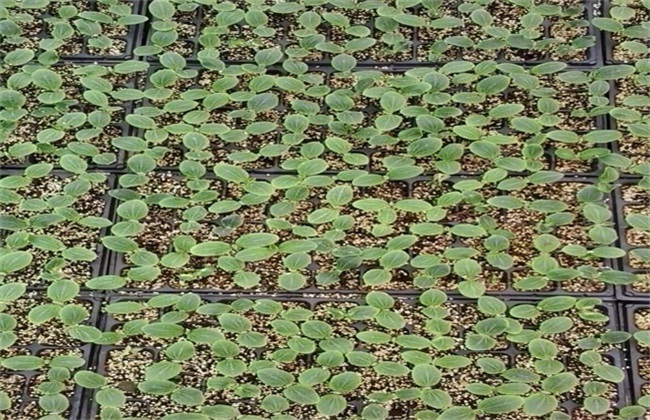
It is best to sow before March in early spring. In spring, seeds are generally sprouted and then sown with plastic film mulching. First use hot water at 50 to 60 degrees and stir for about 10 to 15 minutes to kill bacteria. Then soak in warm water at about 30 degrees for about 5 hours. After taking them out, drain the water, rub and wash off surface dust, and finally place them in a 25-degree incubator for sprouting. During this period, spray water once every one to two hours to keep warm and moist. After about one day they will sprout. Summer cultivation is mostly between June and August, generally using soaked seeds for direct sowing. When the seedlings grow to two true leaves, they can be transplanted. Generally in the afternoon of a sunny day, water thoroughly before lifting the seedlings. Be careful not to damage the root system, and try to transplant with soil.
III. Fertilizer and Water Management
Before planting, apply about 60% of the whole year's base fertilizer first. The base fertilizer is generally mainly decomposed farmyard organic fertilizer, usually applied when preparing the land and deeply plowing the soil. Per mu, apply about one thousand to two thousand jin, adding a small amount of superphosphate together. After transplanting, when three true leaves have grown, topdressing can begin, generally applying dilute fertilizer water in small amounts many times. Apply topdressing once every other week, mostly nitrogen fertilizer. When tendrils appear on the cucumber, cultivate the soil, dig the ground, and apply urea once as topdressing. After the first harvest of cucumbers, cultivate the soil and apply topdressing once more, applying about 100 jin of compound fertilizer per mu. In summer, high temperatures, rapid growth, accelerated aging, and heavy rainfall cause nutrient loss, so topdressing should generally be carried out as early as possible.
During the seedling stage of spring cucumbers, keeping the soil moist is enough to avoid the occurrence of damping-off disease. During the flowering and fruiting stages, a large amount of water is needed, so spray water once every afternoon on sunny days. Usually decide whether to water and how much to water according to the weather and soil moisture. If drought occurs, water 3 to 4 times a day.
For cucumber planting, the most important thing is fertilizer and water management measures. Fertilizer is the foundation for ensuring growth, and raising seedlings is the prerequisite for yield, quality, and seedling growth. Therefore, doing a good job in technical management during cucumber cultivation is very important for planting.