What are the growth characteristics of radishes? A comprehensive guide in one article
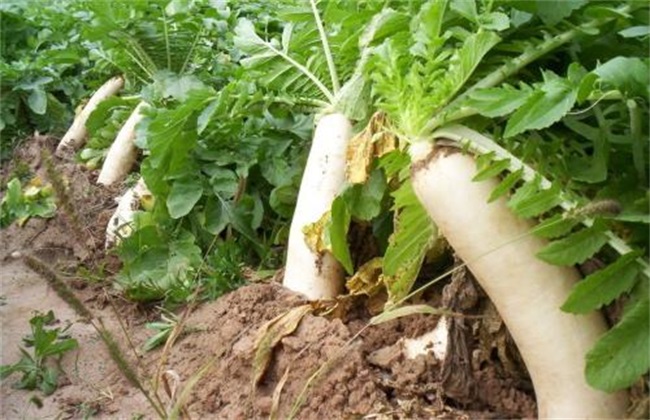
The radish is a typical root vegetable and is grown on a very large area in China. Radishes have high yields, and their nutritional value is also relatively high. They are welcomed by many people, but when growing radishes, we must first understand their growth characteristics well in order to grow them better. So what are the growth characteristics of radishes? Below, the editor will give you a brief introduction. Let's take a look!
1. Temperature
The radish has relatively high cold tolerance and is a semi-cold-tolerant vegetable. Its seeds generally germinate at around 3 degrees, but its suitable growth temperature is usually around 20-25 degrees. During the seedling stage, it can withstand temperatures of around 25 degrees, but it can also grow normally at minus 2 degrees. The suitable temperature for the growth of its stems and leaves is about 10-20 degrees. The growth temperature for the fleshy root is about 15-18 degrees, and it must not be lower than zero degrees, otherwise the fleshy root will suffer cold damage.
2. Moisture
Radish growth has a relatively large demand for moisture, and this is also one of the radish growth characteristics we need to pay attention to. The fleshy root of the radish has a high water content, so the soil moisture content should be kept at around 75%, and the air humidity should reach 80%. Suitable air humidity can greatly help the quality of radishes. However, soil moisture must not be too much either, otherwise the air in the soil will be reduced, which is very unfavorable for root absorption and growth. But if the soil is too dry, the pungency of the fleshy root will increase and the quality will be reduced. Be sure to keep the water supply even, otherwise the fleshy root is prone to cracking.
3. Soil and nutrients
Although radishes can adapt to many types of soil, if we want to ensure the yield and quality of radishes, then when choosing planting soil, we should mainly use soil that is thick, loose, and has good water and fertilizer retention. The soil pH should be kept at around 5.5-6.8, which is very beneficial to radish growth. Then pay attention to the nutrient absorption ratio of radishes. Among the three major elements, radishes have the greatest demand for potassium, followed by nitrogen, and finally phosphorus. The supply ratio of the three elements nitrogen, phosphorus, and potassium should be kept at around 2.1:1:2.5.
4. Light
Light is also one of the radish growth characteristics. Radishes are relatively sensitive to changes in light during growth. They need sufficient light to grow normally. Under suitable light conditions, radish plants grow vigorously, their photosynthetic capacity becomes stronger, and the accumulation of nutrients in the radish body can be increased. This speeds up the expansion of the fleshy root and increases yield. The radish is a long-day vegetable, so under conditions of more than 12 hours of sunlight per day and higher temperatures, its flower bud differentiation and flower branch development will both accelerate.
The above is a brief introduction to the growth characteristics of radishes. That is all for today's introduction. This article is for reference only, and I hope it can help everyone!