-
Pesticide Application Methods and Analysis of Common Questions About Microbial Pesticides
What problems have you encountered when using pesticides that you are not aware of? See if any of the questions below are what you want to ask, and let us take a look together. Biological pesticides refer to pesticides produced from natural materials, such as animals, plants, and microorganisms, which are relatively harmless to living things and
-
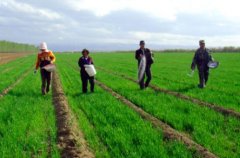
Is Laying Plastic Sheeting Useful in Field Management? Common Practices Explained in One Article
Do you know what the black plastic commonly seen in fields is for? Why do farmers lay a layer of black plastic? What are the benefits of doing so? Do you know? Let's take a look together. The presence of silver-black plastic sheeting is often seen in fields, with one plot after another completely covered to prevent
-
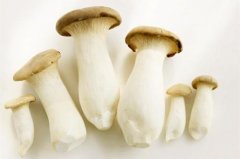
Common Problems and Answers in King Oyster Mushroom Cultivation
The king oyster mushroom (Pleurotus eryngii) is a common edible mushroom, and many problems are often encountered when growing it. Below are answers to a few common questions, and I hope they are helpful to you. 1. How do you deal with the problem of king oyster mushrooms producing many fruiting bodies but having a low marketable rate? If you have not thinned the mushroom buds
-
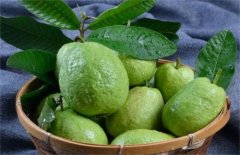
Guava Diseases: Control of Damping-Off, a Common Disease of Guava
What should you do when damping-off occurs in guava, how should you control it, and what do the symptoms look like? Let's take a look together. Symptoms: After different guava varieties are harmed by the damping-off pathogen, apart from differences in the strength of disease resistance, the symptoms also differ slightly. Generally, after infection with damping-off,
-
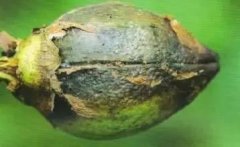
Common diseases of cotton bolls and control methods for cotton boll blackening
Do you know what diseases can occur during cotton cultivation? Below we introduce the most common cotton boll blackening disease. Do you know this disease? What do the symptoms of this disease look like on cotton? What are the control methods? Let's take a look together.
-
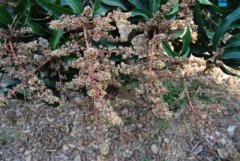
Symptoms and Control Methods of Mango Powdery Mildew
What do the symptoms of mango powdery mildew look like? What are the ecological causes of its occurrence? How should it be controlled, and what are the control methods? Symptoms: This disease can occur on mango inflorescences, young leaves, young fruit and young stems. Generally, a powdery fungal growth can be seen on the affected parts. On young stems and leaves, small lesions in the early stage are surrounded by a brown ring; later the lesions merge into large white patches, which then gradually turn blue-purple. Severely affected young stems and leaves often become deformed; when the lesions continue to develop and encircle the flower stalk, the small fruit on it will begin to turn yellow and drop, so a severely affected mango tree will bear no fruit at all. In the later stage of the disease, the fungal growth at the lesions turns grayish-black. After fruit that has previously been affected develops and grows, a purple network pattern appears on the surface, affecting the commercial value of the fruit.
-
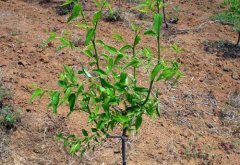
How to plant red jujube saplings and train their tree shape, and what are the common pests and diseases?
How should red jujube saplings be planted and trained into a tree shape? What are the common diseases in red jujube cultivation and how are they controlled? At present, red jujube trees are mostly grown with dwarfing cultivation, with tree height 1.5 to 2.5 m, which makes it convenient to pick fruit in pick-your-own orchards. Therefore, after the saplings are planted, the branches should be gradually pulled down to dwarf the tree.
-
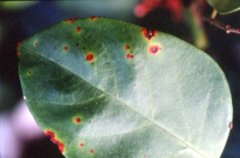
Pests and Diseases of Star Fruit: Symptoms of Anthracnose in Star Fruit and Common Pest and Disease Control Methods
There are many common diseases when growing star fruit. Do you know about anthracnose in star fruit? What are its symptoms? How do you prevent star fruit pests and diseases? Let's find out together. Symptoms of anthracnose: This disease mainly affects young tender shoots, leaves and fruit.
-
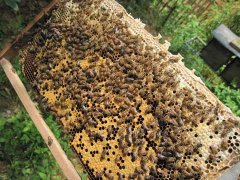
Introduction to Bee Keeping Techniques and Common Types of Pests
Bee keeping also requires attention to the harm caused by pests. Bee pests include bee species, bee lice flies, and wax moths that damage the wax of brood combs. Bee enemies include toads, spiders, and hornets. Let's take a look below. Toads: Toads mostly appear in summer
-
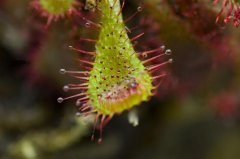
Is the sundew that eats insects a carnivorous plant? A roundup of common carnivorous plants
Carnivorous plants are a relatively little-known group of garden plants. They have insect-eating characteristics that set them apart from ordinary plants, and together with some misunderstandings, do you know which carnivorous plants there are? Pitcher plant: the structure the pitcher plant uses to catch insects is a specialized insect-trapping pouch at the end of the leaf
条件筛选