Pests and Diseases of Star Fruit: Symptoms of Anthracnose in Star Fruit and Common Pest and Disease Control Methods
There are many common diseases when growing star fruit. Do you know about anthracnose in star fruit? What are its symptoms? How do you prevent star fruit pests and diseases? Let's find out together.
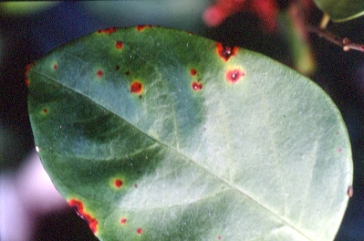
Symptoms of anthracnose:
This disease mainly affects young tender shoots, leaves and fruit. On the leaves, small red circular spots appear initially, then gradually expand into reddish-brown lesions with a pale yellow center, causing the leaves to age prematurely and drop. The anthracnose pathogen exhibits latent infection on the fruit; lesions on the fruit often appear after harvest during storage or sale. Initially, small sunken round spots mostly form at the angular ridges of the fruit, the lesions are reddish-brown, and pale pink conidia appear on the surface; later they develop into elongated irregular lesions, and the affected areas soften and rot. High temperatures and frequent rain favor the spread of this disease.
Integrated Control of Star Fruit Pests and Diseases
1. Thoroughly carry out field sanitation: at any time, remove and burn diseased and pest-infested leaves, branches and fruit in the field, or process them so they ferment and decompose as quickly as possible, in order to reduce sources of infection, especially dropped fruit damaged by the Oriental fruit fly or the flower cluster moth, and leaves, branches and fruit affected by bacterial spot disease.
2. Bacterial spot disease of star fruit can be spread through star fruit scions and seedlings. To prevent the introduction or spread of bacterial spot disease, never take scions from affected areas or buy seedlings produced in affected areas.
3. Apply preventive sprays for bacterial spot disease during the physiological leaf-drop period, when new shoots emerge after pruning, and before the spring rain, plum rain and typhoon rain seasons arrive. In orchards that have already been affected, first heavily prune the diseased branches and leaves, then spray once every week for 5 to 6 consecutive times; if rain occurs, spraying must be intensified. Recommended products include 85% basic copper chloride wettable powder at 300 times dilution, 68.8% doxycycline-streptomycin wettable powder at 1,000 times dilution, 4-4 formula Bordeaux mixture, 73% zinc-Bordeaux wettable powder at 800 times dilution, or 40% copper oxine wettable powder at 500 times dilution; the safety harvest interval for all is 6 days. After fruit harvest and pruning, apply Bordeaux mixture 1 to 2 times over the whole orchard, and the spray solution must reach the ground.
4. Throughout the year, use sex pheromones to trap and kill male flower cluster moths, and use poisoned methyl eugenol bait boards or insect traps to trap and kill adult male Oriental fruit flies.