-
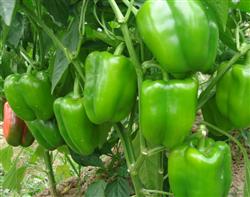
How to manage bell peppers during the color-changing stage? Key technical points explained in detail
How should bell peppers be managed during the color-changing stage? Please give guidance. Bell pepper management during the color-changing stage can refer to the following methods: First, pay attention to ensuring a reasonable temperature. Bell peppers have relatively strict temperature requirements during the color-changing stage. When the daytime greenhouse temperature is 28-30°C, it is most favorable for bell pepper color change. However, recently the temperature inside the greenhouse has often exceeded 40°C, causing bell...
-
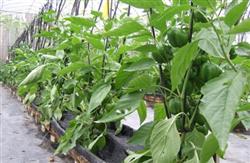
How to promote color change in bell peppers? Introduction to common methods
What methods are there to promote color change in bell peppers? Please give guidance. There are four methods to promote color change in bell peppers: 1. Through topdressing, supplement potassium fertilizer and boron fertilizer, and do not use excessive nitrogen fertilizer. Usually the amount of potassium fertilizer is about 1.5 times the amount of nitrogen fertilizer. This promotes color change in bell peppers and gives good color. 2. Improve light conditions and avoid insufficient light...
-
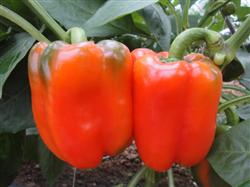
How should colored bell peppers be grown for the best results?
How do you grow colored bell peppers well? Please give guidance. To cultivate colored bell peppers, you can refer to the following methods: (1) Main cropping season arrangements. 1. For year-round cultivation in automatically heated greenhouses and winter-spring season cultivation in northern solar greenhouses, sowing and seedling raising are generally done in mid-August, transplanting in mid-October, and the harvest period can last from mid-January to July.
-
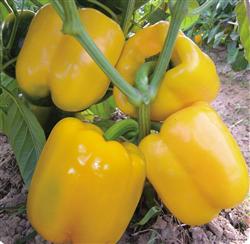
Detailed Explanation of Spring Planting Methods for Colored Bell Peppers
How to plant colored bell peppers in spring? What should be noted? Please give an introduction. For spring planting of colored bell peppers, you can refer to the following methods: Variety selection and seedling raising: For colored bell peppers, it is advisable to choose varieties with strong disease resistance, easy cultivation, and high yield, such as the company's Manqi and Kajinuo. Use hotbed sowing or build beds for sowing in winter-warm greenhouses...
-

What Causes Corn Seedlings to Change Color? Causes and Control Methods Explained
Causes of Corn Seedling Discoloration and Control Methods
-

-
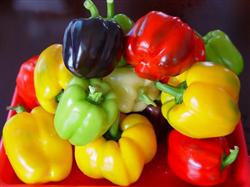
Detailed Explanation of Colored Sweet Pepper Planting Methods and Technical Key Points
How to grow colored sweet peppers? Please give an introduction. Colored sweet peppers are high-yielding hybrid specialty vegetable varieties introduced and cultivated from abroad. They are excellent varieties with internationally advanced levels, featuring a long growth period (harvest period), high purity (over 99%), high and stable yields, strong disease resistance, excellent product quality, extremely tolerant of storage and transport, and thick fruit flesh...
-
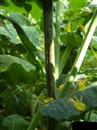
Leaf Color Diagnosis and Control Methods for Red and Yellow Seedlings in the Rapeseed Seedling Stage
Rapeseed stem rot, commonly known as "white stalk", "hemp stalk", "moldy root crown" and so on, is one of the main diseases affecting rapeseed growth. The control of rapeseed stem rot should focus on prevention, and the main technical control measures are as follows. 1. Prevent seed-borne infection: eliminate sclerotia and kill pathogens on seeds through screening, air separation, chemical seed dressing and other methods...
-
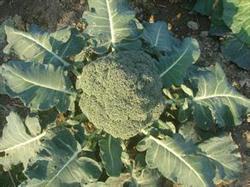
Causes and Control Methods of Off-Color Curds in Broccoli
Broccoli, also known as green cauliflower or broccoli, prefers a cool climate. The summer-sowing cultivation techniques are introduced as follows: 1. Early preparation (1) Variety. Choose hybrid F1 varieties with early maturity, strong stress resistance and the highest yield. The main varieties are Yuguan, Teji Yuguan, Wanlü, etc. (2) Plot. Requires rich organic matter...
-
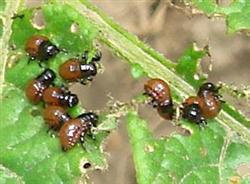
How do you identify and control Colorado potato beetle damage?
The Colorado potato beetle, also known as the Colorado potato leaf beetle, is a class I quarantine pest in China. This insect originally lived on wild solanaceous plants on the eastern slopes of the Rocky Mountains in the western United States. Because cultivated potatoes provide this beetle with good nutrition, and because potatoes are widely grown and transported around the world, ...
条件筛选