-

Four key points for winter management of chestnut trees
Four key points for winter management of chestnut trees
-
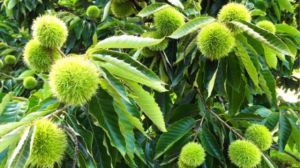
How to Grow Chestnut Trees: A Detailed Guide to Planting Methods and Key Techniques
To grow chestnut trees, use loose-textured, well-draining soil, give them plenty of sunlight during the growing period, and provide a growing environment of 10-20°C. Water promptly after harvest to supply the moisture they need. Propagation is generally done by sowing seeds or grafting.
-
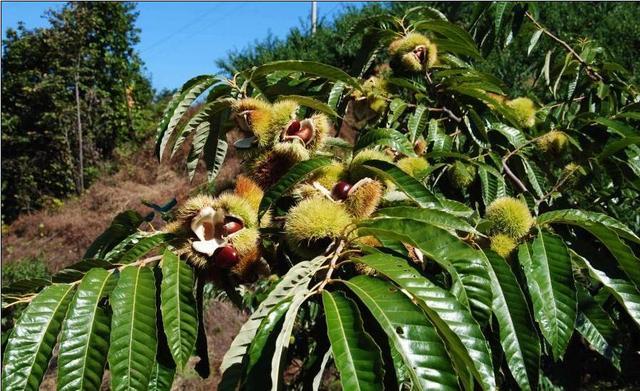
How to Prevent the Fruiting Position of Chestnut from Shifting Outward
How do you prevent the fruiting position of chestnut from shifting outward? Chestnut has the habit of bearing fruit on strong branches, and the strong branches of a normal tree are all on the outer part of the canopy, thus forming fruit on the periphery. Young trees have few fruiting branches and low yields; as adult trees increase their branching, the branches become thinner and thinner,...
-
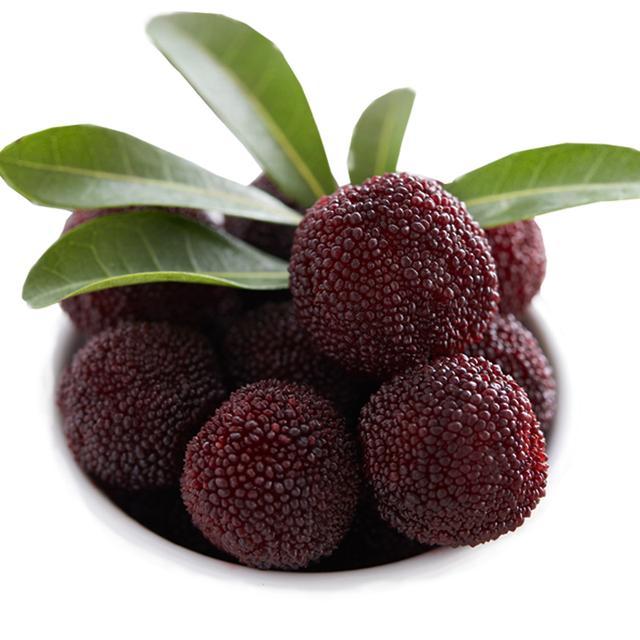
How to ecologically cultivate water chestnut bayberry? Technical details from Nanlian Village
Ecological Cultivation Techniques for "Ciji" Bayberry in Nanlian Village In Nanlian rural area, a batch of exceptionally large water chestnut-type bayberries was once selected and bred, and the locals named them "Ciji" (meaning the water chestnut-type bayberry of Cicheng, homophonous with "Cixi"), ...
-
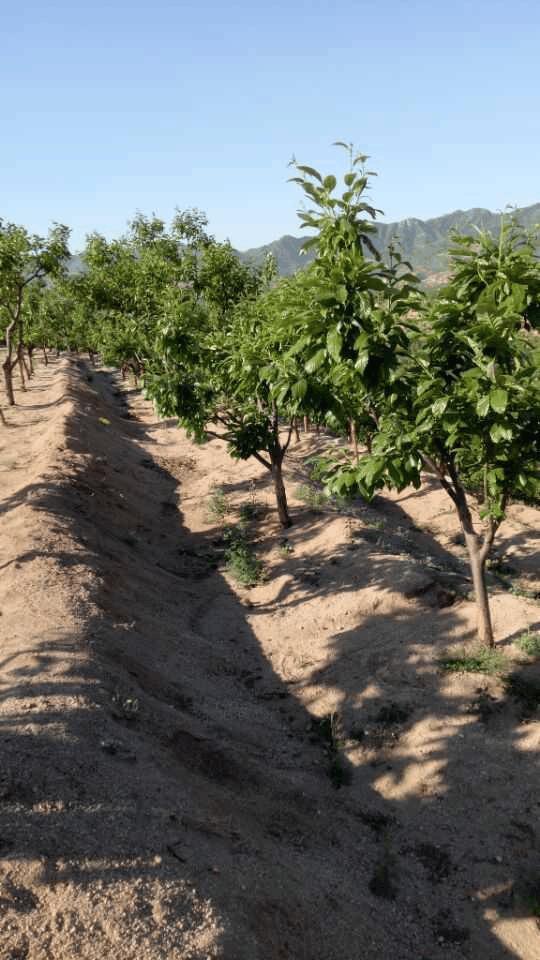
What soil management measures are there for Yanshan chestnut orchards?
Soil management measures for Yanshan chestnut orchards. Yanshan chestnut orchards are mostly built on mountain land, rarely have irrigation conditions, suffer from severe nutrient deficiency, and serious weed overgrowth. Soil management in chestnut orchards should focus on deep soil tillage, scientific fertilization, and skillful use of herbicides to achieve year-round weed-free management, so as to achieve high and stable yields, good quality, and high efficiency every year.
-
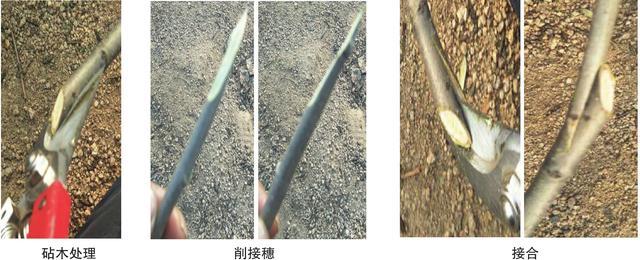
What are the common methods of side grafting for Yanshan Chinese chestnut?
Common methods of side grafting for Yanshan Chinese chestnut. Chinese chestnut grafting mostly uses methods such as cleft side grafting, bark side grafting, bark side grafting with a base branch, and bare-pillar bark side grafting, which can improve the survival rate. In the Yanshan Chinese chestnut producing areas, these methods have been promoted and applied on a large scale with good results. 1...
-
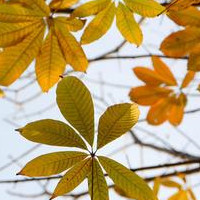
Horse Chestnut Introduction: Plant Profile and Basic Facts
There is a flower that, once it blooms, we will not miss. Its tree is tall with a broad crown and dense shade, dotted here and there with rose-red flowers in conical inflorescences that look from afar like candles standing upright among the branches. This is the horse chestnut. Now let us introduce the horse chestnut to you!
-
What are the growth advantages of the horse chestnut? A comprehensive analysis in one article
There is a kind of flower that, once it blooms, we will not miss. Its tree is tall with a broad crown and dense shade, dotted here and there with rose-red flowers in panicle-shaped clusters; from a distance they look like candles standing among the trees. This is the horse chestnut. Now let the editor introduce the horse chestnut to you!
-
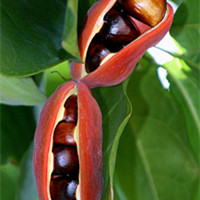
Is the Chinese chestnut easy to grow? Analysis of the difficulty of growing the Chinese chestnut
The Chinese chestnut (Sterculia monosperma) is an evergreen tree with a certain ornamental value; its seeds are also edible, and its medicinal effects are quite notable. The distribution range of the Chinese chestnut is relatively wide.
-
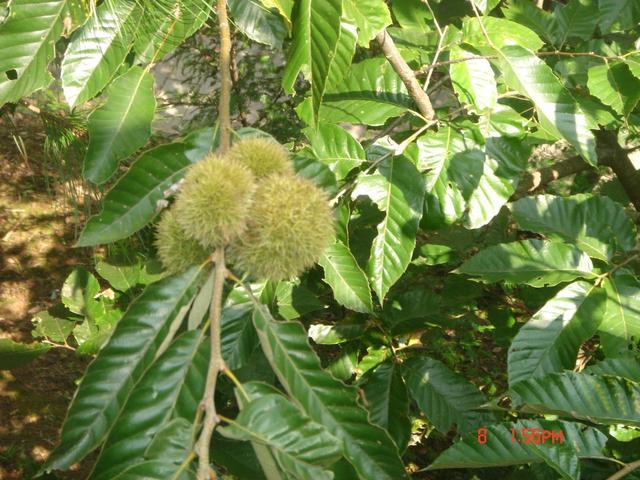
Growing chestnuts on the balcony: green, pollution-free and delicious
Chestnuts are rich in vitamins and minerals and help strengthen the spleen and warm the kidneys, and they have a good texture and a sweet, fragrant taste, so whether eaten on their own or used as an ingredient in cooking, they are deeply loved by the broad masses of the people. The chestnut tree is a tall...
条件筛选