Growing chestnuts on the balcony: green, pollution-free and delicious
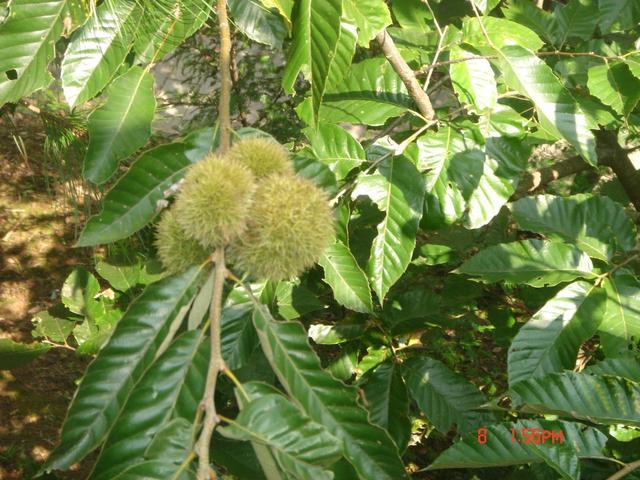
Chestnuts are rich in vitamins and minerals and help strengthen the spleen and warm the kidneys, and they have a good texture and a sweet, fragrant taste, so whether eaten on their own or used as an ingredient in cooking, they are deeply loved by the broad masses of the people. The chestnut tree is a tall plant that can generally grow to 20 m high. Nowadays, many people have moved their vegetable gardens to the balcony and begun trying to grow chestnuts on the balcony. So how do you grow sweet, delicious chestnuts on a balcony? The editor will now show everyone exactly what method is used to grow chestnuts on the balcony.
The main steps are actually very simple: from the raw chestnuts we buy at the supermarket or market, pick out the larger ones that are intact and not damaged by insects, put them in a container filled with water, dip the pointed tips of the chestnuts into the water while the rest can remain exposed, then place the soaking chestnuts in a cool, well-ventilated place and change the water once a day. After about a week, we can see white sprout-like growths emerging from the pointed tips of the chestnuts; these are actually the roots of the chestnuts.
Then at this point we can take the chestnuts out of the water and put them in a plate containing clean sand, placing the tips of the chestnut roots in the sand while the rest does not all need to be buried in the sand and can remain exposed; as time goes on, the chestnut roots will work their own way deeper into the sand. After that, we must add some water to the sand every day to prevent it from drying out. If the sand is too dry, the chestnuts will grow very slowly.
Chestnut plants love light, so we had best find a sunny spot and put the chestnuts there. If the chestnuts absorb sunlight every day, they can grow faster, and chestnuts under the sunlight can grow into a chestnut potted plant within a month. From these steps we can see that growing chestnuts is actually very simple; the most important thing is to maintain moisture. That is, when cultivating the chestnut sprouts, we must ensure that the environment the chestnuts are in has sufficient and clean water, and after they sprout and are moved into the sand, we must also keep the sand moist.
In fact, the only difference between growing chestnuts on a balcony and growing chestnuts in a field is the difference in growing area, so during the chestnut sprouting process we must pay attention to insect damage, check from time to time whether the chestnuts have been bored by insects, and promptly pick out the chestnuts that are growing well. If a chestnut has been damaged by insects, it must be thrown away immediately, because such a chestnut cannot possibly grow the fruit that a chestnut potted plant should have.
Seeing this, do many people feel very regretful that they did not know the secret of growing chestnuts on a balcony before? After learning the method of growing chestnuts on a balcony, everyone can go try it on their own balcony. It is not only fun, but the chestnuts that grow can also become food on your plate. Eating the pollution-free, sweet and soft chestnuts you grew yourself must make you feel proud and happy.