-

Choose flowers and bonsai according to the characteristics of each corner of the home
Houseplants are like a natural oxygen bar. If kept well, they are pleasing to the eye and beneficial to health; if kept poorly, they may backfire and affect health. Therefore, when growing flowers, pay attention to location, people, taboos and tips. Experts suggest that it is best to choose different flowers and plants according to the different characteristics of each corner of the home
-

Bonsai pruning methods vary according to the characteristics of the plant
Although bonsai trees have undergone intentional shaping by people, they have still not lost their life and will continue to grow. If not pruned, they will inevitably affect the tree's form and lose their artistic value. Therefore, timely pruning is necessary: long branches should be cut short, and dense branches should be thinned out, so as to maintain a graceful tree form and appropriate proportions.
-
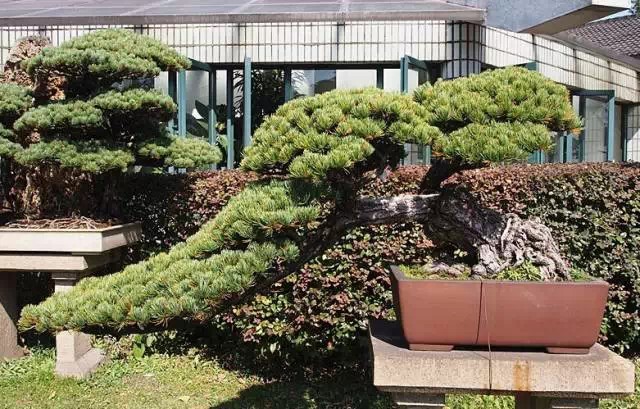
An Analysis of the Artistic Characteristics of Shanghai-Style Bonsai Works
Although Shanghai-style bonsai was developed and formed after the founding of the People's Republic of China, it also has a historical tradition. As early as the Ming Dynasty, there was a man in Shanghai named Zhu Sansong who selected and pruned flowering trees; though they stood less than a foot tall, they were marvelously elegant and aged, possessing the momentum of a coiled dragon stretching a hundred feet.
-
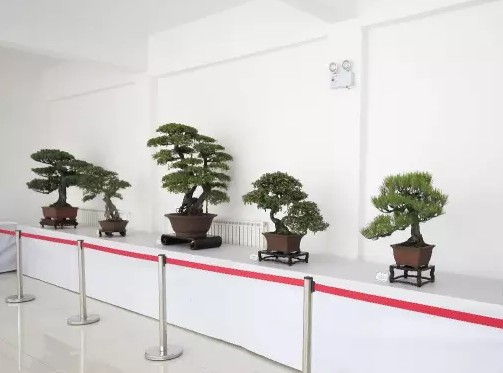
A Detailed Explanation of the Origin and Characteristics of Shanghai-Style Bonsai
Shanghai-style bonsai is one of the outstanding traditional arts of the Han Chinese people, and it is a bonsai art school named after Shanghai. It embodies literature and aesthetics, and integrates plant cultivation science, plant morphology, plant physiology, garden art, and plant modeling art into one. The distribution range of Shanghai-style bonsai is mainly in Shanghai and its surrounding counties and cities.
-
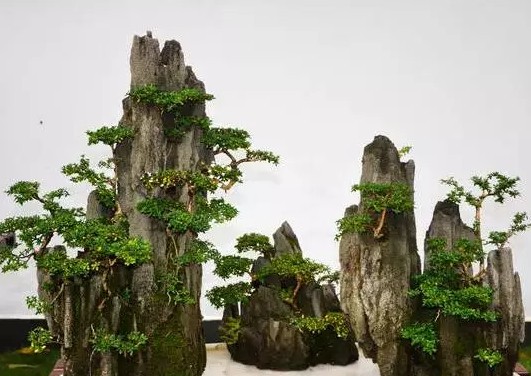
What are the characteristics of the Sichuan-style bonsai art style?
Sichuan-style bonsai, also known as Jiannan bonsai, is an outstanding traditional art of the Han ethnic group, a treasure among garden arts, a bonsai art school named after Sichuan Province, and one of the five major schools of Chinese bonsai. It is further divided into two local styles, western Sichuan and eastern Sichuan, and is known for being quaint and rigorous, gnarled and varied in form.
-
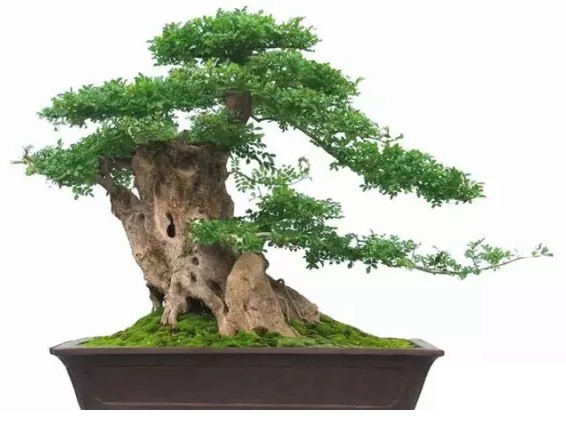
What is Yangzhou-style penjing? Learn its main characteristics in one article
Yangzhou-style penjing is one of the outstanding traditional arts of the Han Chinese and one of the five major schools of Chinese penjing. It began in the Tang Dynasty and is a penjing art school named after Yangzhou City, Jiangsu Province. Its crafting technique of one cun (one cun is 3.3 cm) with three bends can be said to be unmatched in the world. In order to better protect this special set of penjing-making techniques,
-
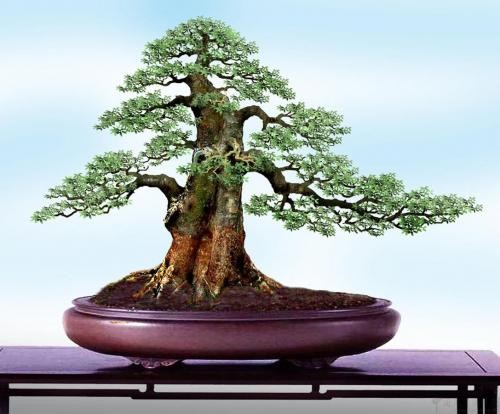
What are the basic characteristics and main values of Suzhou-style bonsai?
Bonsai making in Suzhou has developed since the Ming Dynasty and gone through hundreds of years of vicissitudes. The most prominent feature of Suzhou-style bonsai's shaping techniques is the high degree of integration of art and science. It incorporates the theoretical foundations of literature and fine arts, takes the painting principles of the "Wu School" as the theoretical basis for creation, and especially, under the artistic influence of Wu culture
-
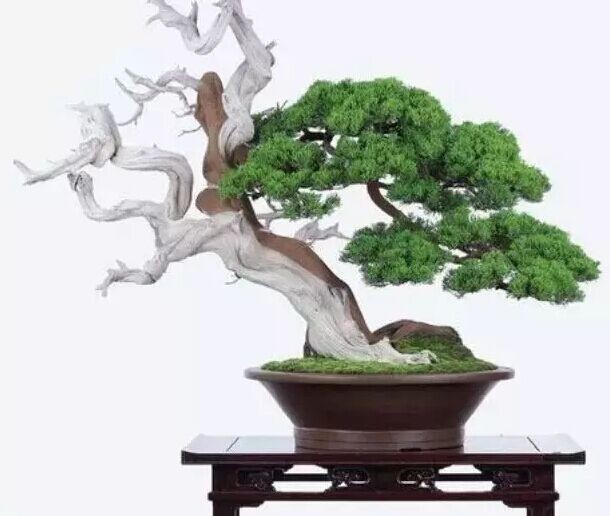
What are the stylistic characteristics of Suzhou bonsai?
Suzhou bonsai, commonly known as the Su style, is a type (school) of bonsai art style named after Suzhou. Centered on Suzhou, it spread to many areas south of the Yangtze River, such as Changshu, Wuxi and Changzhou. Its representative figures include Zhou Shoujuan and Zhu Zi'an. Su-style bonsai is mainly tree bonsai, emphasizes naturalness, with the form changing with the trunk.
-
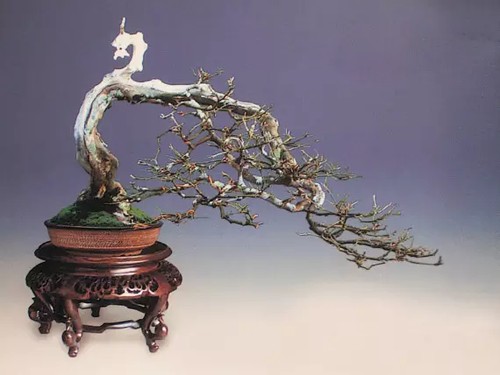
A Detailed Explanation of the Traditional Craftsmanship and Characteristics of Suzhou-Style Penjing
Penjing craftsmanship refers to Suzhou-style penjing craftsmanship, which originated in the Tang Dynasty, flourished in the Ming Dynasty, matured in the Qing Dynasty, and developed in modern and contemporary times. Since the 1980s, Suzhou penjing has won major awards in exhibitions at home and abroad many times. In 2011, it was included in the third batch of the national intangible cultural heritage list.
-
A Detailed Explanation of the Artistic Characteristics and Techniques of Lingnan Penjing Styling
Lingnan penjing is one of the outstanding traditional arts of the Han Chinese and a treasure of garden art. It originated in the Ming and Qing dynasties, but its distinctive style took shape only after the founding of the People's Republic. The area where penjing is cultivated, centered on Guangzhou, extends across the Pearl River Delta and the south-central region of Guangxi. Guangzhou penjing is an important component of Lingnan penjing.
条件筛选