-
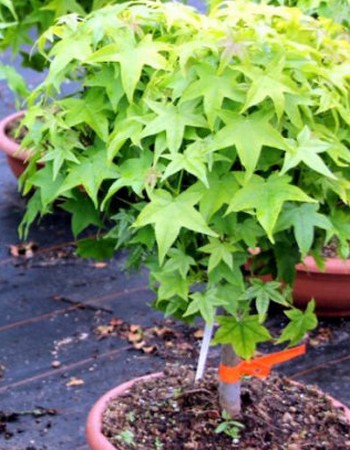
A Detailed Guide to Witch Hazel Propagation Methods: Easily Master the Breeding Techniques
Witch hazel (Hamamelis) has uniquely shaped and fragrant flowers, blooming before the leaves in early spring, with petals like threads, light and graceful, making it an important early-spring flowering nursery plant. It is suitable for specimen planting in garden corners, beside ponds and streams, and at the edges of shrub groupings, and is also a great material for bonsai. Witch hazel's unique petals and graceful tree form attract many people
-
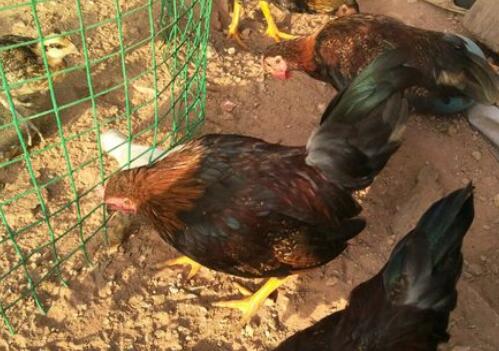
Detailed Guide to Tea Flower Chicken Prices, Chick Purchase Channels, Market-Ready Time and Breeding Techniques
Tea Flower Chicken is commonly known as red junglefowl, red jungle fowl, wild chicken, or zhuye. It is famous in southwest China and is produced in the deep mountains and old forests around Xishuangbanna. So how much does a Tea Flower Chicken cost on the market? Where are chicks sold? How many months until they grow to market-ready size? What are the breeding techniques? From Yunnan live poultry markets, it is learned that
-

Detailed Explanation of Tea Plant Clonal Breeding Techniques and Methods
A breeding method that combines single-plant selection with vegetative propagation to develop new varieties. Tea varieties developed through clonal breeding are called tea clonal varieties or tea vegetative propagation line varieties. They can reflect the heredity of the mother tree, maintain the excellent traits of improved tea varieties, have fast propagation speed and a short propagation cycle, and can be propagated through cutting seedling raising at the seedling stage, with a relatively high propagation coefficient. Since the promotion and success of short-stem tea cuttings, tea clonal breeding has been the selection method of "single-plant selection -- cutting propagation." The breeding method
-
Key Points and Practical Methods of Tea Plant Breeding Techniques Explained
In conventional tea plant breeding, single-plant selection and crossbreeding are mainly used. More than 90% of new tea plant varieties at home and abroad have been developed using these two methods. Single-plant selection uses naturally mutated material, that is, selecting superior individual plants from existing tea plant populations, then expanding their numbers through propagation while maintaining their superior traits. Crossbreeding uses gene recombination and interaction, making it possible for hybrid offspring to show combined superior traits of the parents or types superior to the parents. ① Correctly select parents; ② Master crossbreeding techniques; ③ Strengthen management after pollination.
-
Detailed Explanation of Tea Plant Hybrid Breeding Techniques and Methods
A breeding method in which tea plant parents with different genetic characteristics are crossed sexually to produce variation in the hybrid population, which is then subjected to selection to develop new tea plant varieties. The selection and matching of hybrid parents determines the success or failure of hybrid breeding and the level of breeding achieved. The general principles are: 1) The parental traits should complement each other's strengths and weaknesses, and the superior traits should be outstanding; 2) The parents' adaptability to local environmental conditions, especially the material selected as the female parent, should have strong adaptive capacity; 3) The flowering periods of both parents should be relatively consistent, and the female parent's seed-setting
-
Detailed Explanation of Radiation Breeding Techniques and Methods for Tea Plants
A mutation breeding method in which tea plants are induced to mutate through radiation exposure, and new varieties are developed through selection and cultivation. Compared with traditional breeding methods, radiation breeding can generally increase the mutation frequency by about 1000 times. It is relatively effective for changing one or two traits, and has characteristics such as breaking old linkages and transplanting chromosome segments, overcoming incompatibility in distant hybridization, changing self-incompatibility in cross-pollinated plants to self-compatibility, and producing mutation types that rarely exist in nature. Radiation includes ionizing radiation and thermal
-
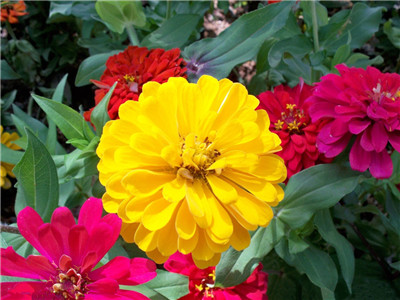
What are the breeding techniques for zinnias? A detailed explanation
Zinnia is an insect-pollinated flower, and superior color varieties often undergo hybridization and variation due to natural pollination by insects, with few improving and many deteriorating; double-flowered varieties tend to revert to single-flowered varieties; flower colors also become dull and lose their velvety luster. To maintain the superior qualities of zinnias, it is necessary to select the best and prevent cross-contamination to preserve purity
-
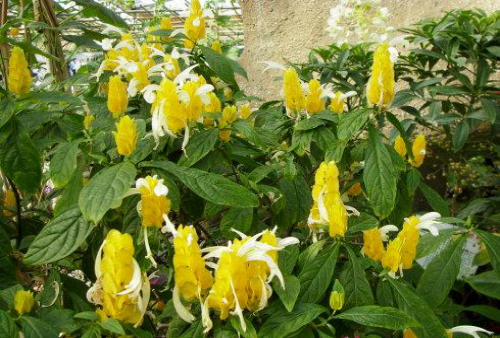
A detailed guide to the propagation methods of the golden shrimp plant, so you can easily master breeding techniques
Cuttings The best time for cuttings is April, when they are most likely to survive. Take young shoots about 8-10 cm long from old branches and insert them in sand. Pay special attention to maintaining temperature and humidity, keeping the temperature above 21°C and humidity at about 80%. In about half a month they will take root. Okay
-

Detailed Explanation of Bougainvillea Cultivation and Breeding Techniques and Daily Care Tips
When it comes to growing bougainvillea, many people may know that it likes warmth and plenty of light, is not cold-tolerant, and dislikes waterlogging. It is best grown in fertile, loose, well-drained sandy soil. In heavy, alkaline, easily waterlogged soil and under low-temperature conditions, it not only grows poorly but also easily suffers root rot and dies.
-

How to plant the drought lotus? A detailed guide to the artificial breeding techniques of the city flower of Hanzhong City
The drought lotus is also called the "spring-answering tree". Because its flowers resemble lotus blossoms when they bloom and it grows on dry land, it has the beautiful reputation of "lotus of the dry land". In 2000, the drought lotus flower was designated by the Hanzhong Municipal Government as the "city flower" of Hanzhong City. Many people want to know how to plant the drought lotus.
条件筛选