-
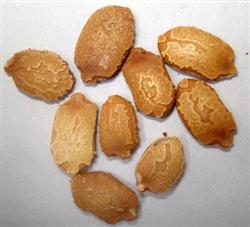
How to sprout bitter melon seeds? A detailed explanation of practical methods
How to sprout bitter melon seeds? I hope experienced readers can share their methods, because bitter melon seeds have a thick seed coat and do not absorb water easily. Using hot water treatment and soaking to sprout the seeds can promote water absorption and germination, meet the temperature conditions for seed germination, increase the germination rate, and also kill bacteria and insects on the seed surface...
-
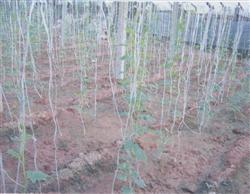
What are the benefits of hanging bitter melon vines early?
What are the benefits of hanging bitter melon vines early? What are the reasons? Is there a netizen who can help explain? Zhongdiwang has compiled the benefits and reasons for hanging bitter melon vines early, and the following is a detailed introduction for netizens' reference. Benefit one of hanging bitter melon vines early: It can cultivate strong plants. During the seedling stage, the bitter melon vines and cucumber vines are hung together...
-
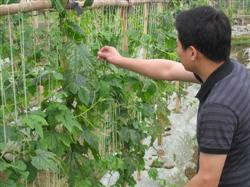
How do you trellis and prune bitter melon when growing it?
How do you trellis and prune bitter melon when growing it? Please explain the methods. To increase bitter melon yields when growing it, field management is very important, and the following key techniques should be carried out well. Cultivation, weeding and earthing up. Generally, after transplanting and watering to help the seedlings recover, wait until the surface soil is slightly dry and no longer sticky before carrying out the first cultivation. If there are strong winds or the soil is dry, water thoroughly once more before cultivating. The second cultivation can be carried out 10-15 days after the first cultivation. During this cultivation, take care to protect new roots, and it is better to cultivate shallowly rather than deeply. Each cultivation can be combined with applying some high-quality farmyard manure, such as cake fertilizer, various poultry feathers, and decomposed chicken manure, pig manure, etc. After trellising, when the vines have extended to more than 50 cm, the root system has basically spread throughout the rows, and generally it is no longer suitable to cultivate again. However, be sure to pull weeds in time. During the first cultivation, if missing seedlings or weak, diseased seedlings are found, replant them in time to ensure a full stand.
-
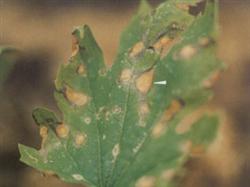
How to identify and control bitter melon anthracnose?
Diseased leaves and diseased melons What is bitter melon anthracnose, and how should it be controlled? Please provide an introduction to the control methods. Bitter melon anthracnose is an important disease of bitter melon, occurring fairly commonly and causing severe damage. The occurrence and control of bitter melon anthracnose are briefly introduced as follows: The leaves, stems and melon fruits of bitter melon can all be affected. The main symptom is that brown semicircular or circular lesions appear on the leaf edges...
-
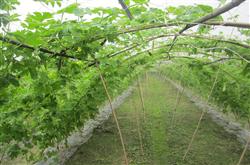
How to manage bitter melon in summer high temperatures? These methods you need to master
How to manage bitter melon in summer high temperatures? Please give an introduction to the management methods. Bitter melon roots prefer moisture and dislike waterlogging, so pay attention to digging drainage ditches normally; if heavy rain occurs, drain the field water promptly. Water use can be based on soil moisture conditions. Generally, on sunny days with strong sun and high evaporation, moisture disappears quickly, so it needs to...
-
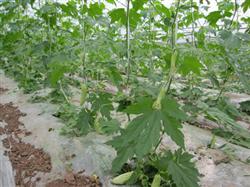
What should be noted when planting bitter melon in June?
What should be noted when planting bitter melon in June? Please advise. When planting bitter melon in June, the following points should be noted: Pruning: since many grafted bitter melon seedlings are still being transplanted from late May to mid-June, this portion of bitter melon seedlings still needs strengthened pruning in June and July. Bitter melon has particularly strong branching habit, almost every leaf can...
-
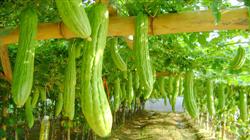
What are the key points of pollution-free bitter melon cultivation techniques?
How do you grow pollution-free bitter melon? Here is an introduction to the cultivation method. Pollution-free bitter melon cultivation can refer to the following methods: For variety selection, choose varieties with short vines, short internodes, small leaves, strong stress resistance, early maturity, high yield, and good storage quality, such as Huadu Green Bitter Melon, which has robust plant growth. It has strong disease resistance, and from the 3rd leaf it begins to set the 1st female flower, bears many fruits, and has thick flesh, tender texture, and good quality.
-

How to Control Powdery Mildew and Viral Disease in Bitter Melon
Powdery mildew, viral disease. How can bitter melon be protected against powdery mildew and viral disease? Please introduce control methods. For controlling powdery mildew and viral disease in bitter melon, you can refer to the following methods: 1. Powdery mildew: The plant is prone to this disease during the flowering and fruiting period. The leaves are first covered with a white powdery substance, which gradually causes the leaves to lose their green color and turn yellow, leading to premature aging of the plant...
-
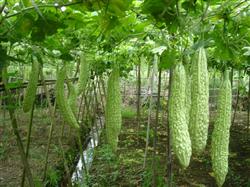
Key management techniques for bitter melon in the mid-to-late cultivation period
How should bitter melon be managed in the mid-to-late cultivation period? Please explain the management methods. The following methods can be used for managing bitter melon in the mid-to-late cultivation period: 1. Intertillage, weed control and hilling. From the seedling stage onward, bitter melon should be intertilled, weeded and hilled in a timely manner to prevent the soil around the vines from crusting. Generally, after transplanting and watering to help the seedlings establish, ...
-
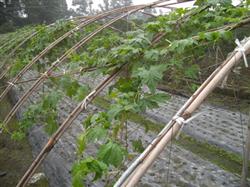
What should be noted when growing bitter melon?
What should be noted when growing bitter melon? Please provide guidance. The following points should be noted when growing bitter melon: 1. Sowing and seedling raising. With different varieties combined, bitter melon can be sown from mid-February to mid-July. Because its seed coat is relatively thick, before sowing you can soak the seeds in warm water at 50-60°C for 10 minutes, stirring constantly, then soak them in ordinary water for 12 hours...
条件筛选