Tired of growing Alocasia macrorrhizos in soil? Try hydroponics
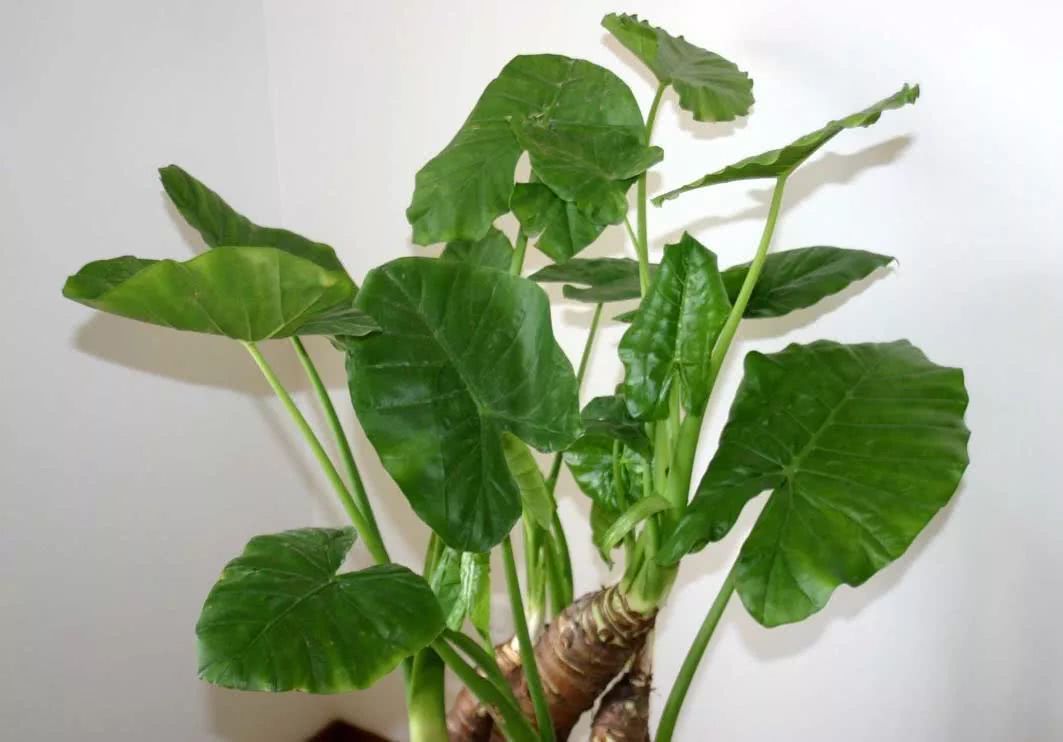
Alocasia macrorrhizos, also called giant taro. Because its leaves are covered with "stomata" and "water pores", when the outside temperature is higher and the humidity is greater, the water expelled from the water pores gathers at the leaf tips or edges of the Alocasia macrorrhizos leaves, thus forming droplets that fall, which is why it is called "dripping Guanyin".The water dripped by Alocasia macrorrhizos is toxic, so if there are children and pets at home, be sure to be careful and prevent them from coming into contact with it.
Alocasia macrorrhizos has an air-purifying effect and can absorb harmful substances in the air. Moreover, its leaves are emerald green, broad and plump, and glossy, making it a very beautiful foliage plant, so many flower lovers are very happy to keep one or two pots.
Many flower lovers ask whether, besides soil cultivation, Alocasia macrorrhizos is also suitable for hydroponics. In fact, Alocasia macrorrhizos is also very suitable for hydroponics, but you must understand some methods and precautions, otherwise it is easy for it not to live long. Today, the editor will tell you how to grow Alocasia macrorrhizos hydroponically.
Wash the roots
Before growing Alocasia macrorrhizos hydroponically, wash its roots with clean water, washing away soil and other impurities to keep the roots clean.
Water quality and changing the water
The stem and root tissues of Alocasia macrorrhizos are relatively loose, so for hydroponics you must choose clean, hygienic water; otherwise, unclean water easily breeds bacteria and can very easily cause the stems and roots of the plant to rot.
When growing Alocasia macrorrhizos in water, you also need to change the water fairly often. If too much time passes, the water quality deteriorates and becomes polluted, which can very easily cause root rot, especially in summer, when the temperature is relatively high, so the number of water changes should be increased,each time you change the water, wash the roots of the Alocasia macrorrhizos clean。
When changing the water for Alocasia macrorrhizos, also often clean the inner wall of the container, because over time, moss easily grows inside the container and breeds bacteria.
Choosing the water level
For hydroponic Alocasia macrorrhizos, the amount of water in the container must not be too much or too little,generally it is enough for the water level to cover 2/3 of the roots. If too much water is added, it will affect the respiration of the plant's roots and thus directly affect the plant's growth.
Growing environment
For hydroponic Alocasia macrorrhizos, choose a ventilated and humid environment. So often open the windows for ventilation, which helps increase the dissolved oxygen content of the water in the container and is more beneficial to the plant's growth. We can also use a spray bottle to spray water on the leaves and around them, thereby increasing the air humidity.
Light and temperature
In the care of Alocasia macrorrhizos, in summer when the temperature is high and the sun is strong, avoid strong light exposure and shade it in good time, mainly with scattered light. In winter, maintain sufficient light.
The optimal temperature for Alocasia macrorrhizos growth is around 20°C, so when the temperature is high, spraying water can also be used to cool it down.
Fertilizing
Hydroponic Alocasia macrorrhizos needs some nutrient solution to help it grow. When nutrients are insufficient, the leaves will turn yellow and may even wilt.Do not add nutrient solution to Alocasia macrorrhizos that has just been started in hydroponics; wait until new roots have grown, then apply nutrient solution.