What to Do When Alocasia Leaves Turn Yellow? A Detailed Look at Its Toxicity
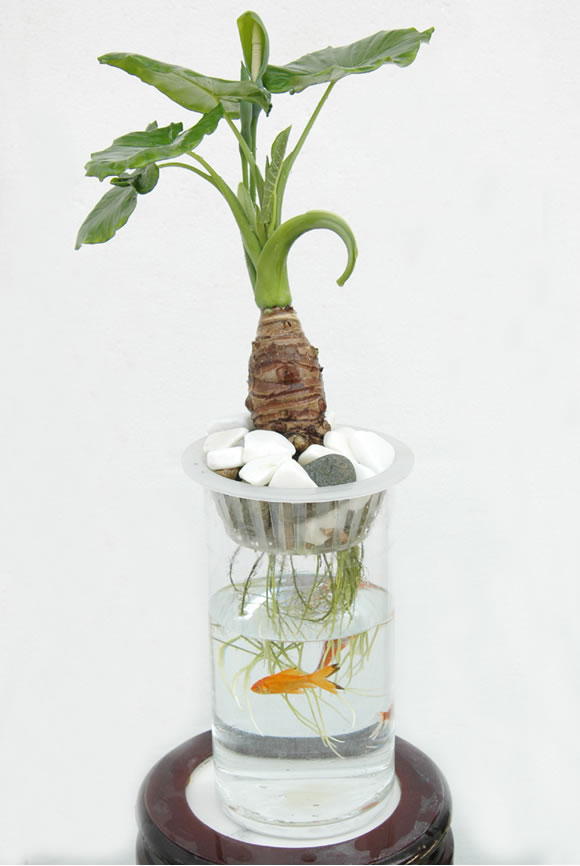
Alocasia (Alocasia macrorrhizos), also known as giant taro, is a common ornamental plant. It is called "Dishuidi Guanyin" in Chinese because its flowers resemble Guanyin. Alocasia is very effective at increasing indoor air humidity, so it is often grown indoors. However, many people report yellowing leaves and root rot in Alocasia. Today, let me explain what to do when Alocasia leaves turn yellow and whether Alocasia is toxic.
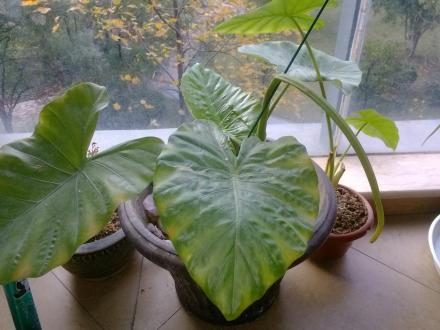
1. Light exposure. Keeping Alocasia in a living room, bedroom, or other spot lacking light for a long time will cause insufficient light for photosynthesis, affecting the plant's life activities. When light is insufficient or absent, the effect on plant growth and morphogenesis is that internodes become especially long, leaves are underdeveloped and small, and they lack chlorophyll, appearing yellow.
2. Improper watering. Alocasia has a high water demand. During the growing season, keep it moist rather than dry; during winter dormancy, control watering as much as possible. Pay attention to the method when watering, as improper watering can easily cause yellow leaves. One wrong way to water is "half watering," meaning watering is not thorough and does not reach the point where water seeps out of the drainage holes at the bottom of the pot. This method does not meet Alocasia's water needs and can cause the root tips to be short of water for a long time, leading to yellow leaves. Another watering mistake is irregular watering, watering whenever you think of it, causing the potting soil to stay too wet or too dry for long periods, which is bad for its growth.
3. Unsuitable soil conditions. If the soil used for growing Alocasia is too alkaline or is not changed for a long time, nutrients in the soil will be insufficient, affecting plant growth and leading to drooping leaves, yellow leaves, and sagging.
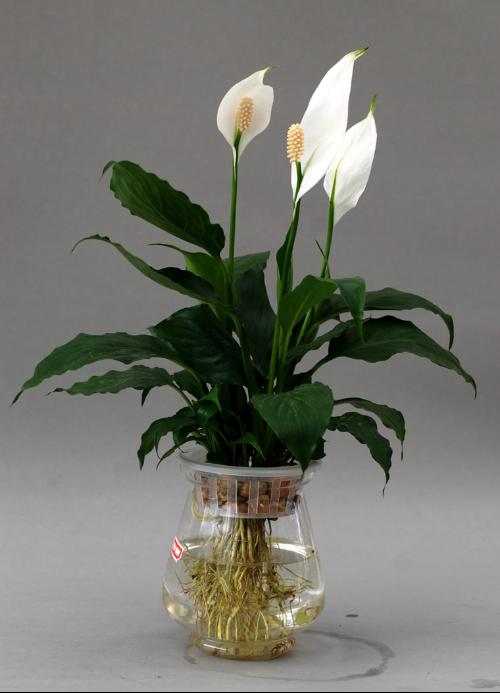
5. Ventilation environment. If Alocasia is kept in a poorly ventilated environment for a long time, its leaves can turn yellow due to "breathing difficulty."
6. Cleaning of the leaf surface. Leaves are the main site of photosynthesis. If the leaf surface is not sprayed and cleaned for a long time, dust accumulates, which blocks photosynthesis, making the plant short of nutrients and causing yellow leaves.
7. Disease and pest effects. The main pest that causes yellow leaves is the red spider mite, which likes to suck sap on the underside of leaves. After being affected, the leaves turn yellow, show many small white spots, and soon wither, turn yellow, and fall off. It often breeds in high-temperature, low-humidity environments. Pay attention to prevention and control.
8. Human damage. Artificial damage to the leaves and branches of the plant will damage its transport system, so nutrients cannot reach the leaves, causing yellow leaves.
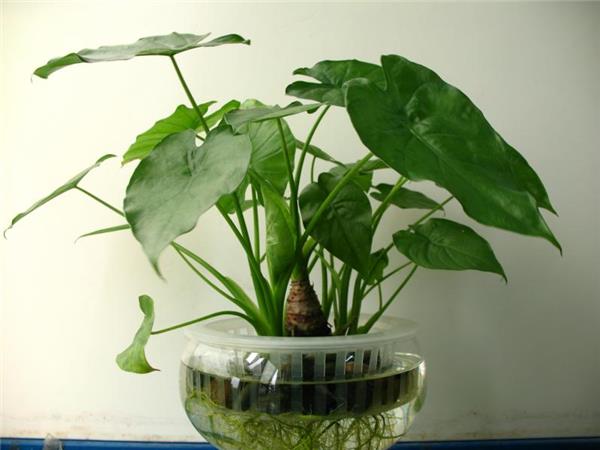
The corms and leaves of Alocasia can be used medicinally, but they are highly toxic. The leaf sap is poisonous if ingested, so if there are pets or children at home, it is not suitable to grow Alocasia, to avoid tragedy.
How to Grow Alocasia
There are many ways to grow Alocasia, mainly because it adapts to propagation by sowing, cuttings, division, and other methods, making it easy to grow. Generally, keep the potting soil moist, control air humidity at 60%, and in high summer temperatures, create a cool and moist growing environment. In winter, ensure the indoor temperature is above 15°C; otherwise, control watering, and generally spray with warm water once a week.
To prevent and treat yellowing Alocasia leaves, start from the cause and treat the root problem.
1. Give Alocasia reasonable light conditions. Alocasia likes semi-shade environments, so provide shade during care, but remember not to keep it in a dark environment for a long time. Also pay attention to ventilation in the environment and keep the air flowing.
2. Alocasia has a high water demand. Water whenever the soil starts to dry, and water thoroughly at one time until water flows out of the bottom of the pot. Watering should be regular; do not let the potting soil stay too dry or too wet for long periods. While watering, use a spray bottle to clean the leaves and keep them clean, and you can also see water roll off the leaves.
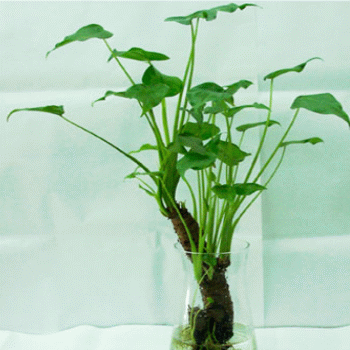
4. Keep Alocasia's living environment warm and moist. When the weather is cold in winter, move it indoors in time; slowly change Alocasia's living environment so it adapts to changes in environmental temperature, and remember not to place Alocasia in an environment where the temperature fluctuates sharply.
5. Prevent artificial damage to Alocasia. The sap of Alocasia is toxic, so try to avoid contact with its body. When red spider mites appear on the plant, spray with 40% dimethoate emulsion at 1000 times dilution or 80% dichlorvos at 1000-1500 times dilution.
3. Alocasia does not have high soil requirements, but ensure the fertility of the potting medium. Choose sandy loam or humus loam containing organic matter, change the soil in time, and add nutrients. To increase the plant's own resistance, do not use only nitrogen and phosphorus fertilizers; alternate with organic fertilizer, and applying a little ferrous sulfate will make the leaves larger and greener.
4. Keep Alocasia's living environment warm and moist. When the weather is cold in winter, move it indoors in time; slowly change Alocasia's living environment so it adapts to changes in environmental temperature, and remember not to place Alocasia in an environment where the temperature fluctuates sharply.
5. Prevent artificial damage to Alocasia. The sap of Alocasia is toxic, so try to avoid contact with its body. When red spider mites appear on the plant, spray with 40% dimethoate emulsion at 1000 times dilution or 80% dichlorvos at 1000-1500 times dilution.