-
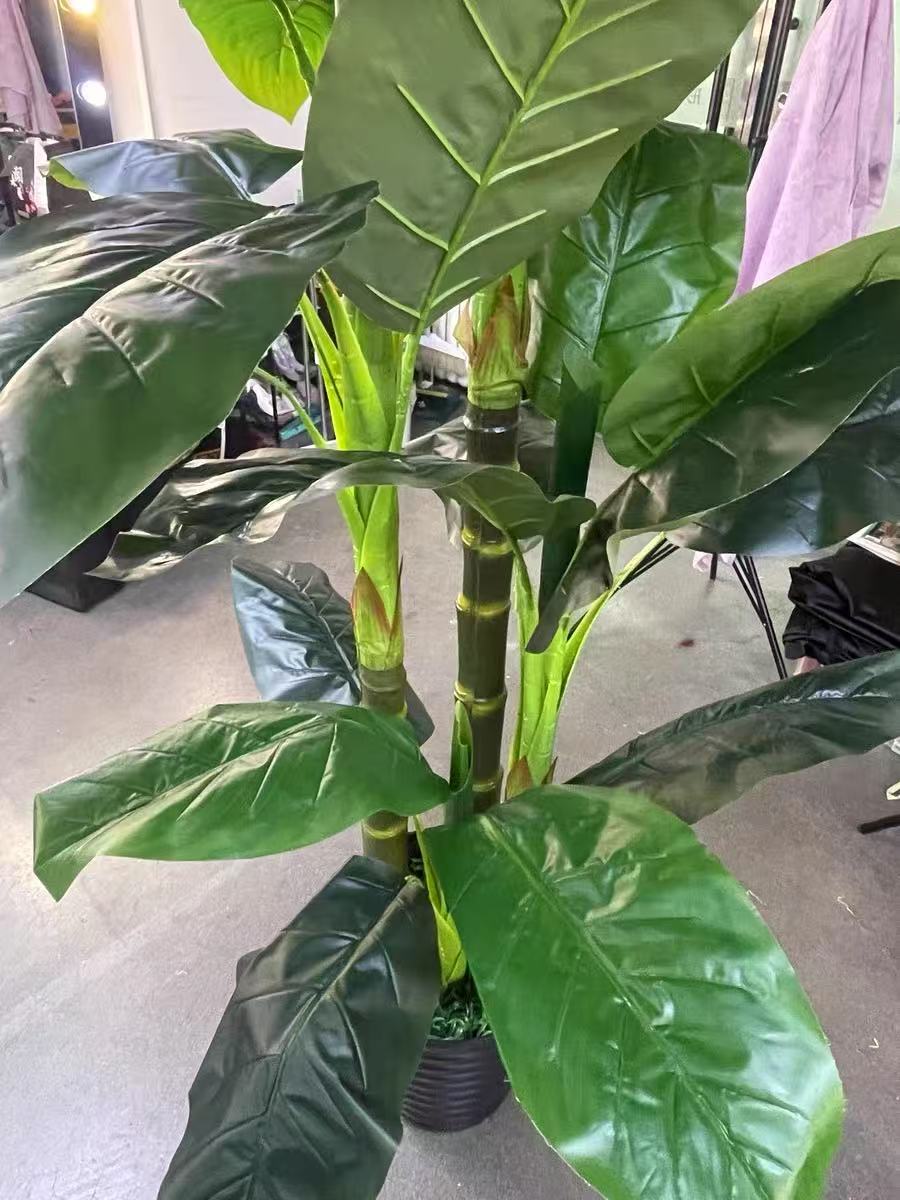
Is Alocasia macrorrhiza toxic?
Alocasia macrorrhiza, also known as Alocasia odora or giant taro, is indeed toxic. The entire plant contains highly toxic substances, especially the
-
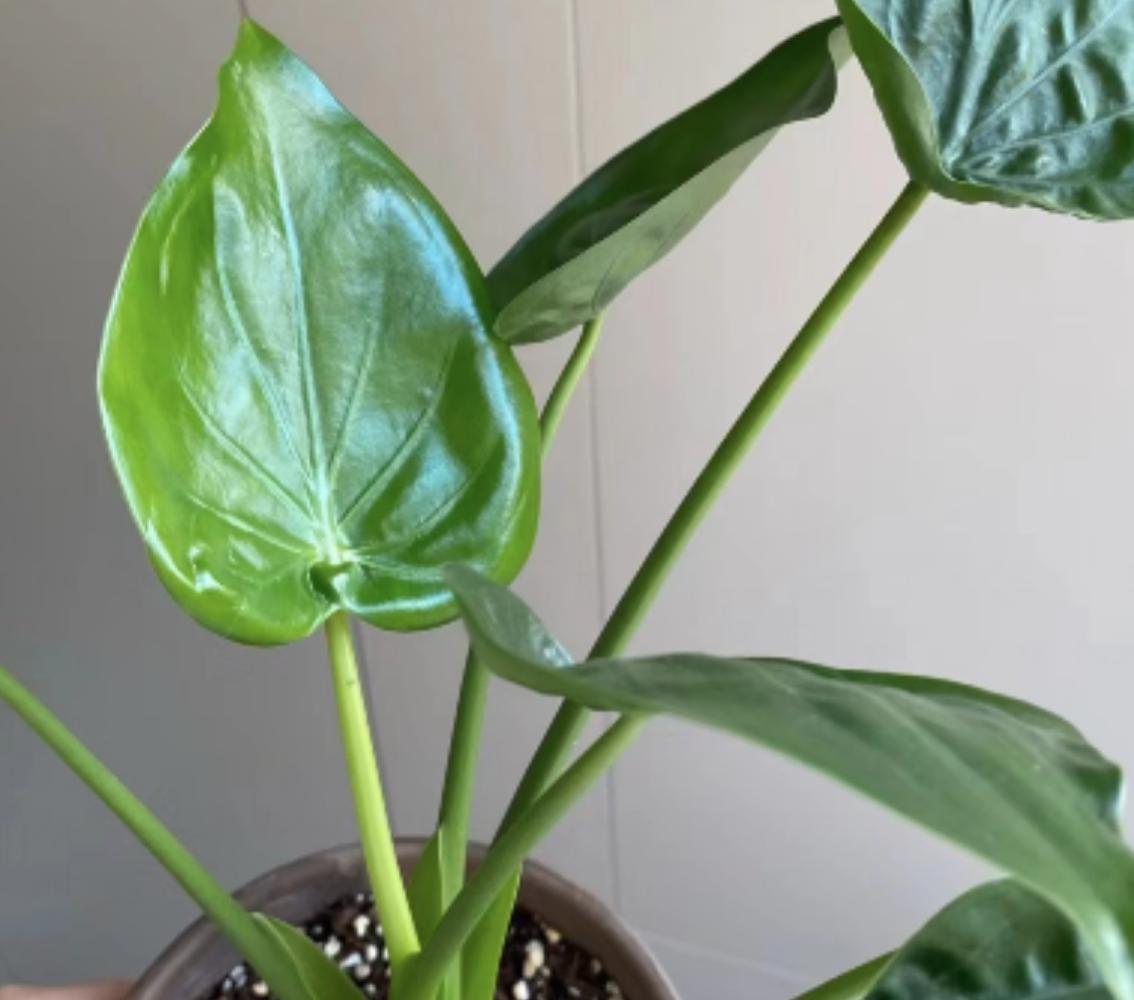
The meaning of the Alocasia macrorrhiza
Drip Guanyin, also known as Alocasia macrorrhiza, is a large green foliage plant. Its elegant form and ability to purify the air have made it favored by many
-

Is the Alocasia macrorrhiza poisonous?
Alocasia macrorrhiza, a common indoor foliage plant, is loved by many families for its unique form and good air purification effect. However, before
-
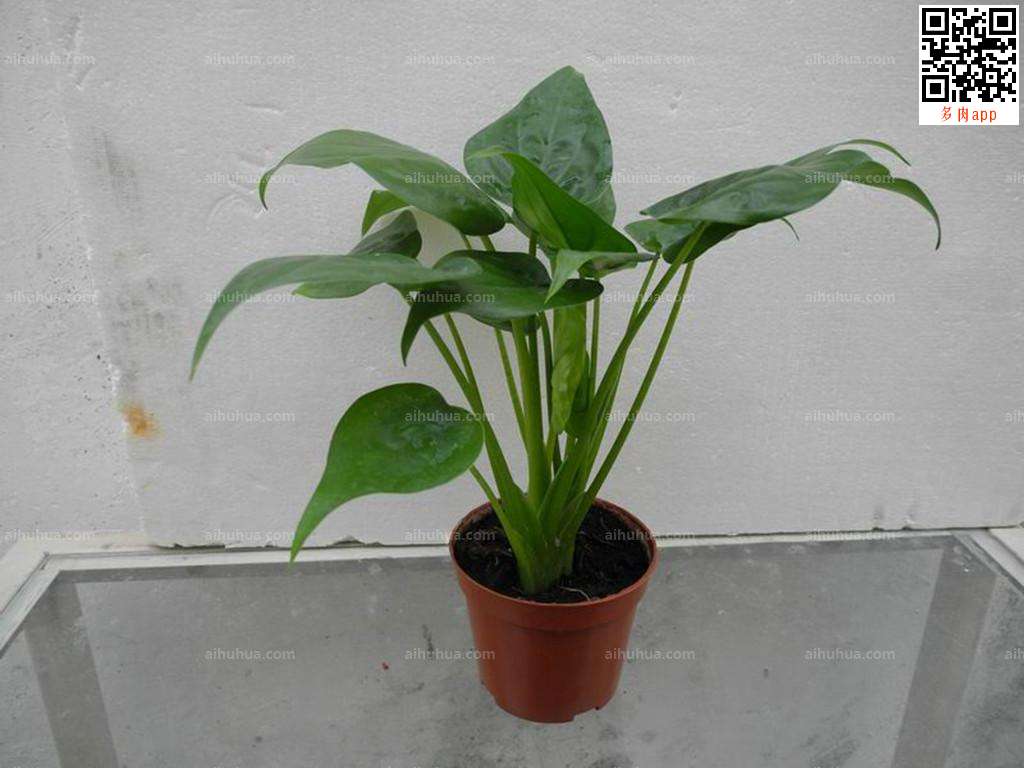
What are the control methods for sunscald disease in Alocasia macrorrhiza?
It occurs everywhere, and the leaves, flowers, stems and fruits of many woody and herbaceous flowers can be affected, hindering their ornamental value. Symptoms: In summer, when plants are exposed to intense sunlight, water-soaked spots appear on the leaf surface, which then rapidly lose water and turn grayish-white. Disease pattern: The longer a plant grows in the shade, the more tender its tissues become; the higher the temperature in sunlight and the longer the exposure, the more severe the disease.
-

Identification and Control Methods for Diseases of Alocasia macrorrhiza
Leaf spot disease: Leaf spot disease can be treated by spraying the leaf surface with an 800-fold dilution of chlorothalonil or carbendazim, for 2-3 consecutive applications, once every 7 days. Anthracnose: Anthracnose requires spraying the leaf surface with a 500-fold dilution of 75% thiophanate-methyl, once every 7 days, for 2-3 consecutive applications, which can basically bring it under control
条件筛选