-
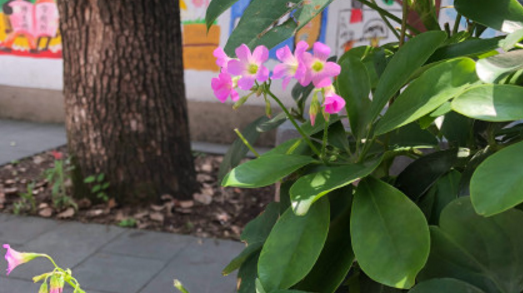
How do you grow garlic vine (Bignoniaceae) and when does it bloom? What value does it have?
Garlic vine is also known as Tecoma, purple bell vine, and Tecoma stans. So how do you grow garlic vine, when does it bloom, and what value does it have? According to available information, garlic vine likes a warm environment and prefers plenty of light, and during cultivation you need to ensure sufficient water and fertilizer.
-
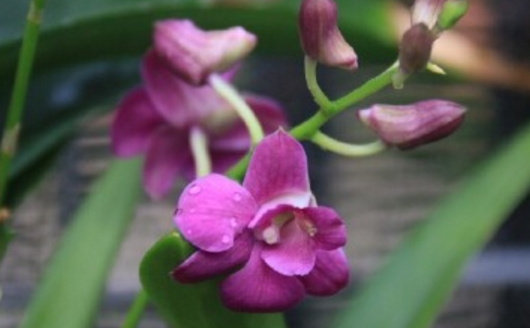
How to Grow Vanda Orchids, How They Differ from Ascocenda Orchids, and What to Do When the Leaves Turn Yellow
Vanda orchids, also known as Vanda, are tropical orchids with a southern charm. So how do you grow Vanda orchids? How do they differ from Ascocenda orchids? What should you do when the leaves turn yellow? According to available information, Vanda orchids are strongly cold-tolerant, poor at resisting heat, prefer dry conditions and dislike water, and still grow well at high temperatures of 35°C. They need relatively little potting medium for cultivation.
-

What to Do When Rice Seeds Have a Low Germination Rate? Methods to Improve the Germination Rate
How to Improve the Germination Rate of Rice Seeds
-
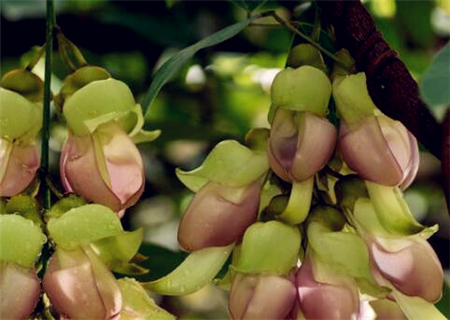
How many years does the nationally second-class protected plant Mucuna birdwoodiana take to bloom after planting, and when does it bloom?
Mucuna birdwoodiana, also known as white flower oil hemp vine, flower oil hemp vine, and sparrow flower. It is a nationally second-class protected plant and is cultivated throughout southern China. When in bloom, the flowers hang in clusters like sparrows in flight, giving it considerable ornamental value. So how many years after planting does Mucuna birdwoodiana bloom? When does it bloom?
-

How to fertilize citrus? When is the right time to fertilize citrus? What fertilizer is best for citrus
Precautions for fertilizing citrus
-
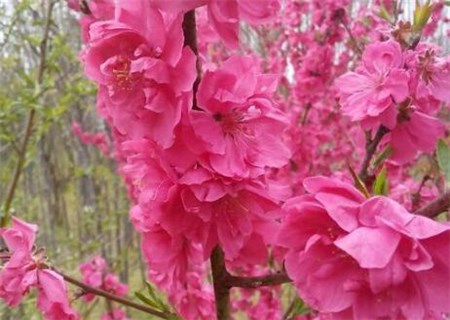
When does the ornamental peach bloom? Common pest and disease control, and can the peaches on the tree be eaten?
The ornamental peach is a variety of peach, belonging to the semi-double and double-flowered cultivars of ornamental peach blossoms, collectively known as ornamental peach. In East China, the ornamental peach flowering period is from March to April, with plump flowers, rich and vivid colors, and many flower forms. So do you know when the ornamental peach blooms? What are the common pests and diseases and their control methods? Can the peaches on the tree be eaten?
-
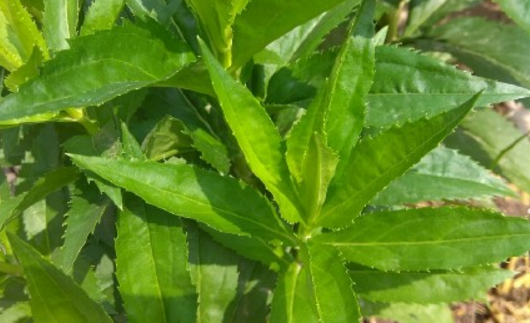
When Does the Obedient Plant Bloom? Propagation Methods and How It Differs from Snapdragon
The obedient plant is also known as false dragonhead, obedient plant, shellflower, bellflower, and sesame flower, among other names. So when does the obedient plant bloom? What is the difference between it and snapdragon? How do you propagate it? According to available information, the obedient plant prefers a warm growing environment with plenty of sunlight, and loose, fertile sandy soil is generally best.
-
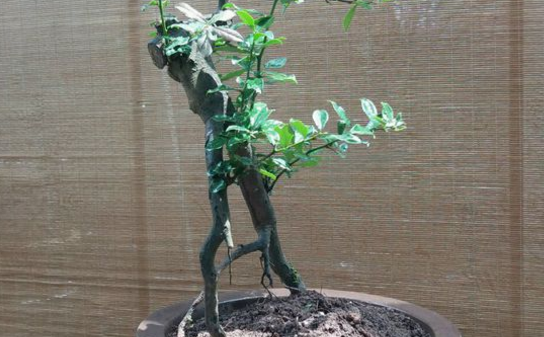
When Does the Chinese Persimmon Bloom and Bear Fruit? Growing Methods, Precautions, and Whether It Is Edible
The Chinese persimmon is also known as the bottle orchid, black pagoda, and spiny persimmon. So what are the growing methods and precautions for the Chinese persimmon? Can it be eaten? When does it bloom and bear fruit? According to available information, the Chinese persimmon likes sunlight and prefers to grow in a relatively warm environment, though it can tolerate low temperatures.
-
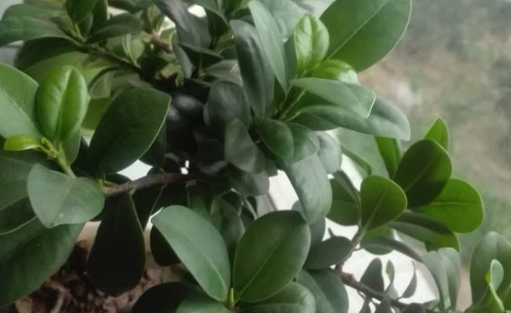
What to do when the leaves of a soil-grown ginseng ficus turn yellow? Detailed explanation of hydroponic and grafting methods
The ginseng ficus (Ficus microcarpa) likes light by nature; if there is not enough light, its leaves will turn yellow. So what should you do when the leaves of a ginseng ficus turn yellow? How do you grow it hydroponically? How do you graft it? According to reference materials, the ginseng ficus likes light by nature; if there is not enough light, the plant will grow slowly and its leaves will turn yellow. Although the ginseng ficus is a light-loving plant
-
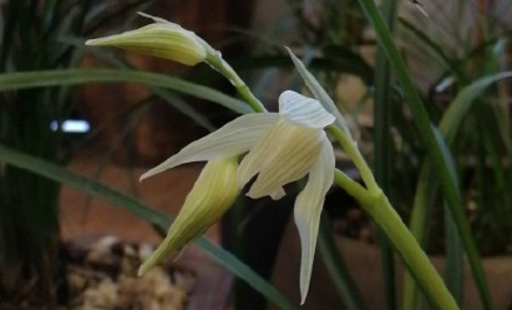
Lianban Orchid 'Da Xuesu' Care Guide: What to Do When Leaves Turn Yellow and How It Differs from Cymbidium goeringii
Da Xuesu, commonly known as Da Suxin and also called Yuandan, is also named Broad-leaf Suxin because of its wide leaves. So what are the care methods and precautions for Da Xuesu? What should you do when the leaves turn yellow? What is the difference between it and Cymbidium goeringii? According to available information, Da Xuesu prefers a warm and humid environment, with no severe cold in winter and no extreme heat in summer.
条件筛选