What to do when the leaves of a soil-grown ginseng ficus turn yellow? Detailed explanation of hydroponic and grafting methods
The ginseng ficus likes light by nature; if there is not enough light, its leaves will turn yellow. So what should you do when the leaves of a ginseng ficus turn yellow? How do you grow it hydroponically? How do you graft it? According to reference materials, the ginseng ficus likes light by nature; if there is not enough light, the plant will grow slowly and its leaves will turn yellow. Although the ginseng ficus is a light-loving plant, if it is placed in direct sunlight for a long time, the edges of its leaves will also become scorched or yellow.
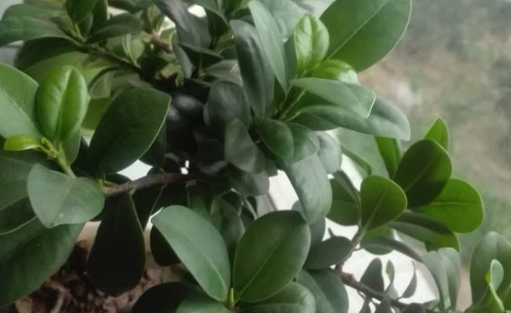
1. What should you do when the leaves of a ginseng ficus turn yellow?
1. Improper lighting for the ginseng ficus
The ginseng ficus likes light by nature; if there is not enough light, the plant will grow slowly and its leaves will turn yellow. Although the ginseng ficus is a light-loving plant, if it is placed in direct sunlight for a long time, the edges of its leaves will also become scorched or yellow.
In this case, the plant needs to be moved outdoors to a sunny spot or a spot with partial light, and moved back indoors after it blooms.
2. Improper fertilizing of the ginseng ficus
When there is too much nitrogen fertilizer or a lack of phosphorus and potassium fertilizer in the potting soil, or when there is insufficient fertilizer or the potting soil has not been changed for a long time, the branches will become thin and weak and the leaves will turn yellow.
For the case of too much nitrogen fertilizer, increase the amount of watering, flush out the fertilizer, and immediately repot, rinse the root ball, and replace the potting soil to replant; for the case of insufficient fertilizer, likewise repot and change the soil, then fill with fertile, loose potting soil and cultivate again, taking care to water thoroughly to help the plant recover, and after it recovers, apply liquid fertilizer or compound fertilizer.
3. Improper watering of the ginseng ficus
Whether it is too much watering causing waterlogging in the potting soil, oxygen deprivation and root rot, or too little watering causing insufficient water, both will cause the leaves to turn yellow.
In this case, control the amount of watering, loosen the soil frequently, improve ventilation, or appropriately mist the leaves and move the plant to a shaded place.
4. Pests and diseases of the ginseng ficus
If scale insects harm the plant, the leaves will turn yellow or even fall off.
In this case, remove the pests promptly, reduce the amount of watering, spray the leaves, soften the water quality, provide shade, reduce fertilizing, and so on.
2. How do you grow it hydroponically?
1. Conditions for hydroponic ginseng ficus
The ginseng ficus is a light-loving plant and can also adapt to a semi-shaded environment, though not for too long, of course. The water used for hydroponic ginseng ficus does not need to meet high requirements, and the care conditions for hydroponic ginseng ficus are also not demanding; you only need to place the plant in a well-lit position, change the water on time (once every 15-20 days), and add some nutrient solution appropriately. In this way, you can promote healthy plant growth, increase vitality, and enhance its ornamental value.
2. Specific process for hydroponic ginseng ficus
First week of hydroponics
In the first week, you need to change the water frequently; generally, it is best to change the water every other day, more than three times a week. At this time, note that when changing the water, add a water quality stabilizer to ensure water quality and keep the plant growing steadily.
Second week of hydroponics
This week, change the water frequency to three times a week
Third week of hydroponics
After this week, change the water once a week; if there is green algae in the water, you can appropriately reduce the water-changing frequency, so as to avoid it competing with the ginseng ficus for oxygen and causing the plant to become oxygen-deprived and wither or die.
3. Precautions for hydroponic ginseng ficus
For hydroponic ginseng ficus, the water used is best purified water or water that has been exposed to the sun for one hour; after a month of cultivation, it can be switched to tap water. In addition, for a newly hydroponically started ginseng ficus, no nutrient solution can be added within one month, because the plant roots may have a rejection reaction to the new medium; after one month, it is best to add nutrient solution each time you change the water, and the recommended nutrient solution at this time is clivia nutrient solution.
3. How do you graft it?
Grafting of the ginseng ficus
The grafting methods for the ginseng ficus include branch grafting and wedge grafting.
1. Branch grafting of the ginseng ficus
Branch grafting is generally done in early April or in autumn when the branches sprout, because the rootstock and scion should use newly sprouted branches; in particular, the rootstock must use tender branches, preferably ones that are growing but have not yet capped. The specific steps for branch grafting include: first, use a sterilized blade to cut off the top of the rootstock, then cut a small slit downward along the pith, then take a short scion that retains the terminal bud and leaves, cut its lower section into a V shape and insert it into the rootstock; at this time, note that it must be aligned with the cambium, and finally tie it firmly. After grafting the ginseng ficus, water thoroughly, then cover it with a plastic bag, and move the plant to a sunny, ventilated, warm place. After that, uncover the film every day for ventilation, and after about a month and a half it can be untied.
2. Wedge grafting of the ginseng ficus
Wedge grafting is generally carried out in spring when the branches have just sprouted and the shoots have not yet grown out. The specific steps for wedge grafting include: first, select a robust one-year-old branch and cut a 6 to 10 cm section with axillary buds as the scion, and cut its base into a slant with one side 3 cm and one side 1 cm. Then cut the rootstock into a flat surface, split a small slit vertically, then insert the scion with its long cut side facing inward into the rootstock, align the cambium. Finally, tie it with a plastic strip, then put on a plastic bag to retain moisture, until the scion sprouts.