-
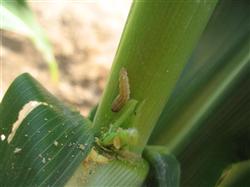
When is the best time to control corn borers?
When is the best time to control corn borers for the best results? Please give guidance. Corn is vulnerable to pests from emergence to maturity, and to achieve high quality and high yield of corn, proper pest control is very important. Especially for the damage caused by corn borers, one must not be careless. Corn borer, also called stalk borer, is a relatively...
-

Common Misconceptions to Avoid When Using Microbial Pesticides
Common Misconceptions in the Use of Microbial Pesticides
-
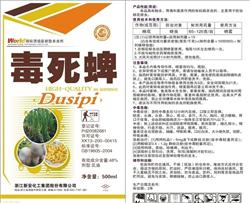
What unfavorable weather conditions should be avoided when applying pesticides?
What do the letters on a pesticide label mean? Here is an introduction: (1) pH: indicates acidity and alkalinity. When the pH value equals 7, it is neutral; above 7, it is alkaline, and the larger the number, the stronger the alkalinity. Below 7, it is acidic, and the smaller the number, the stronger the acidity; (2) PPm: parts per million concentration. That is, the number of pesticide parts contained in 1 million parts of liquid or powder; ...
-
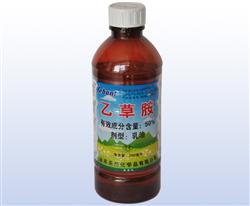
What precautions should be taken when using acetochlor in dryland?
What should be noted when using acetochlor in dryland? Please give an introduction. When using acetochlor in dryland, the following four points should be noted: Soil moisture. A certain level of soil moisture helps improve the weeding effect. If continuous drought weather occurs during the application period, the weeding effect will be greatly reduced. Therefore, watering first to increase soil moisture and then applying the chemical is...
-
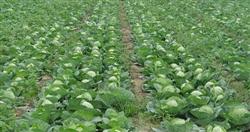
What herbicide is good for weed control when growing vegetables?
What herbicide should be used for weed control when growing vegetables? Please advise. When growing vegetables, you can refer to the following methods for weed control: 1. Chemical weed control in cruciferous vegetable fields. For cruciferous vegetables such as Chinese cabbage, radish, cabbage, cauliflower and rapeseed, choose 48% trifluralin emulsifiable concentrate after sowing and before emergence or at transplanting, at 100 ml per mu (667 sq m, the same below), or 33% pendimethalin emulsifiable concentrate at 75 ml per mu.
-
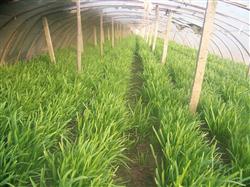
How do you clear weeds when growing chives in a greenhouse?
How do you remove weeds when growing chives in a greenhouse? Please explain the methods. Greenhouse chives are generally grown by transplanting; after transplanting, you can use pendimethalin, prometryn, or butralin for soil-closure treatment. Apply 150 ml of 330 g/L emulsifiable concentrate per mu or 200-250 ml of 48% butralin emulsifiable concentrate, add 50 kg of water...
-
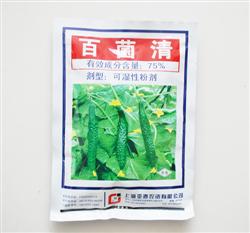
What precautions should be taken when using fungicides?
What should be noted when using fungicides? When using fungicides, note the following: 1. When choosing a fungicide, first understand the nature of the fungicide. There are two types of fungicides. One is a protective agent, which is used to prevent plant disease, such as Bordeaux mixture, mancozeb, carbendazim, etc.; the other is...
-
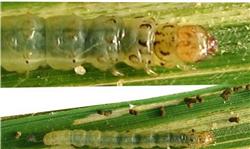
What should be noted when controlling the rice leaf roller (Cnaphalocrocis medinalis) in rice?
What should be noted when controlling the rice leaf roller in rice? Please give guidance. To control the rice leaf roller, you must first know the timing of control. The control timing is determined comprehensively through the development progress of the insect stages and the fluctuation dynamics of adults under light traps, with reference to the stage duration table and in combination with short- and medium-term weather forecasts. To ensure a true grasp...
-
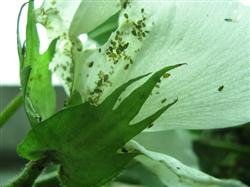
How to control aphids when growing cotton?
How to control aphids when growing cotton? Please explain the control methods. Methods for controlling aphids in cotton growing include: spraying omethoate on overwintering hosts to eliminate aphids on the overwintering hosts. The pesticide methods for controlling aphids in cotton fields include: 1. 3% acetamiprid, 1000 to 2000 times dilution per mu for spraying. 2. 5% Dingji, 2500 to 4000...
-
Six precautions to note when using bacterial biological insecticides
Biological pesticide: BT, Chinese name Bacillus thuringiensis, is a bacterial insecticide. This variety has been fully used in the main vegetable-growing areas of our country and has achieved good economic benefits. However, there are currently many BT manufacturers with varying quality, so when using it you must choose a variety of good quality. Note: BT is effective when the temperature is slightly higher...
条件筛选